
Wireless Camera Battery Life Explained: What You Need to Know
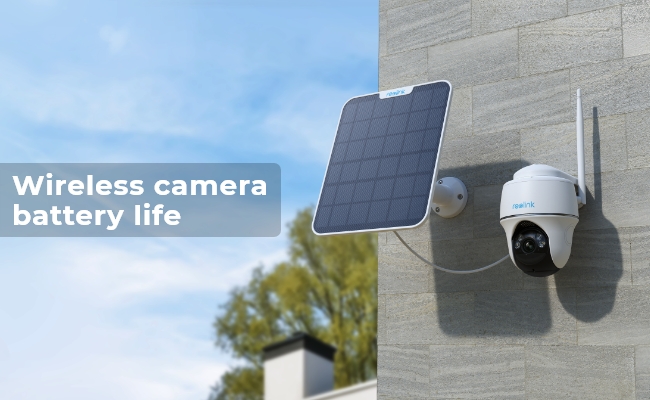
Battery life is an important factor when choosing a wireless security camera, especially if you want to avoid frequent recharging. Actual runtime can vary significantly depending on battery capacity, recording mode, motion activity, Wi-Fi signal, temperature, and camera settings.
In this guide, we'll explain how long wireless camera batteries last, how often they need charging, what affects battery life, and how to extend it.
How Long Do Batteries Last in Wireless Security Cameras?
Wireless security camera batteries typically last 2 to 6 months on a single charge under normal use. Rechargeable batteries generally have a total lifespan of around 2 to 3 years before they may need to be replaced. However, actual battery life varies depending on motion activity, recording frequency, video resolution, Wi-Fi signal strength, temperature, and other camera settings.
There are two common types of batteries used in wireless security cameras:
Rechargeable lithium-ion batteries: These are the most common option. They can be recharged using a power adapter or a compatible solar panel. Under normal motion-triggered use, a full charge can last for several months, while frequent recording and live viewing will drain the battery faster.
Replaceable batteries: Some wireless cameras use replaceable alkaline or lithium batteries instead. Depending on the camera, battery capacity, and usage frequency, they may last from several weeks to several months before replacement is needed.
How Often Do You Charge Wireless Security Cameras?
Wireless security cameras usually work on motion detection. They save energy and use it whenever needed. Therefore, the battery life is longer.
If your camera is in motion detection mode, you will need to recharge the battery once a week or even once a month. Some cameras with a good battery can even work for 3 months. However, some cameras do not have a good battery life, and you need to charge them frequently.
As a rule of thumb, the camera should work for at least several weeks in motion detection mode after a full charge.
You need to recharge wireless cameras for 3-20 hours, depending on the working temperature.
What Will Affect Wireless Camera Battery Life?
-
Video resolution: Higher resolution recordings consume more power.
-
Recording mode: Continuous recording drains batteries faster than motion-based mode.
-
Wi-Fi signal strength: Weak connections cause the camera to use extra energy to stay linked.
-
Usage frequency: Frequent live viewing or alerts reduce battery life.
-
Temperature: Extreme cold or heat can shorten battery performance.
-
Features in use: Functions like night vision or spotlights increase power consumption.
Popular Wireless Camera Battery Life
Let’s look at the battery life of some popular security camera brands.
Reolink Wireless Camera Battery Life
Reolink battery-powered cameras use rechargeable lithium batteries that can typically be recharged about 500 times. Actual battery life varies depending on the camera model, settings, usage, and working environment.
In Standard Mode, where the camera is triggered by PIR and wakes for about 300 seconds per day, many Reolink models can last 2 to 6 months on a full charge. Long-life models can last considerably longer—for example, the Reolink Altas PT Ultra is rated for about 16 months, while Reolink Altas can reach about 20 months under the same test conditions.
Temperature also affects battery and charging performance. Reolink's battery-life estimates are based on testing at 25°C (77°F) under sunny conditions, while the recommended charging temperature for Reolink battery-powered cameras is 0°C to 45°C (32°F to 113°F). Actual performance may vary in colder or hotter environments.
For models that support solar charging, the recommended Reolink solar panel can help maintain the battery. Depending on the camera and solar panel, about 10 to 20 minutes of daily sunlight may be sufficient to maintain continuous power in Standard Mode. Actual solar charging performance depends on sunlight intensity, panel angle, temperature, and weather
Arlo Wireless Camera Battery Life
Arlo wireless cameras use Lithium batteries that have a battery life of 3-6 months on average use, which means only 5 minutes of recording per day. If your use is extensive, the battery life will be decreased accordingly.
The batteries require 2-4 hours to fully charge, and this time exceeds if the working temperature is low.
Ring Wireless Camera Battery Life
Ring cameras also contain rechargeable Lithium-ion batteries. They last for up to 3 to 6 months on a single charge. Some cameras can even work for up to 12 months.
You have to charge batteries for at least 5-10 hours. Once they are charged fully, you can use them for a long time without any interruption.
Nest Wireless Camera Battery Life
Like other security cameras, Nest cameras are also powered by Lithium-ion batteries. Once they are fully charged, they can last up to 6 weeks. If the use is minimal, they can work for six months.
The cameras require around 5 hours to charge fully.
Long-life Wireless Battery Camera Recommendations
If you are looking for excellent battery life cameras, you can consider the following options.
Best for Long Battery Life and Extended Outdoor Monitoring: Reolink Altas PT Ultra
The Reolink Altas PT Ultra is an excellent choice for those seeking a long-life wireless battery camera. With its massive 20,000mAh battery, this camera offers extended usage, lasting up to 8 days on a single charge, even with 12 hours of daily operation. Its advanced True 4K 8MP resolution ensures ultra-clear video, while its pan-and-tilt functionality provides wide coverage for monitoring large areas like driveways, backyards, and entrances.
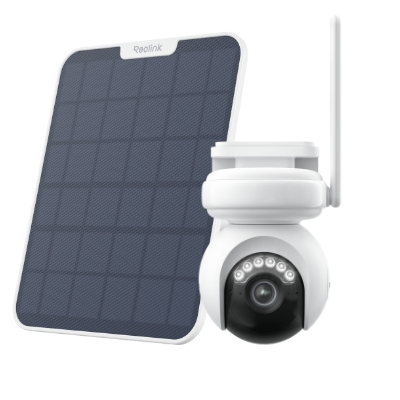
4K Battery-Powered PTZ Camera with Continuous Recording
👍 4K UHD video with continuous recording
👍 ColorX night vision in low light
👍 Pan, tilt, and automatic person tracking
👍 Local storage without monthly fees
Best for Energy-Efficient Battery Life: Reolink Argus 4 Pro
Reolink Argus 4 Pro is a 4K battery-powered color night vision security camera. Equipped with ColorX technology, Reolink Argus 4 Pro eliminate the typical frustrations of IR night cameras. Based on Reolink laboratory testing data, you'll save 2W/h per hour and gain up to 12 extra days of standby time. This revolutionary technology not only enhances performance but also promotes eco-friendly operation, ensuring you get the most out of your security camera while minimizing energy consumption.
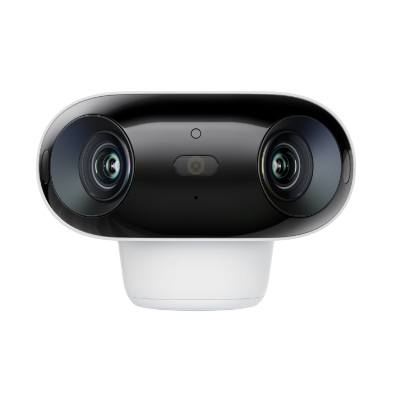
4k 180° Wire-free Color Night Vision Camera
4K UHD 180° Blindspot-free View; Color Vision Day and Night; 30% More Battery Life; Dual-band Wi-Fi 6; Smart detection.
Best for Solar-Powered Battery Life in Remote Areas: Reolink Go PT Ultra
Reolink Go PT Ultra is a standalone security camera you can use at remote locations. It contains a rechargeable battery that can be connected to a small solar panel. It uses 4G LTE, so you only need to insert a SIM card, and there is no need for Wi-Fi.
The camera has a 355⁰ pan and 140⁰ tilt range. So it can cover a wider area. It offers 4K video quality for an excellent viewing experience. It can automatically detect objects and send accurate alerts. Other than that, it offers night vision, weather protection, two-way audio, and other advanced features.
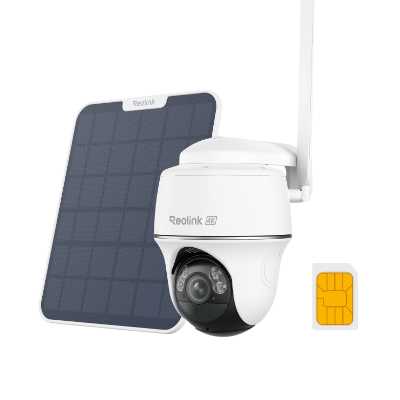
4K 8MP Wire-Free 4G LTE PT Battery Camera
4K 8MP; Smart Detection; 355° Pan & 140° Tilt; Battery/Solar Powered; Color Night Vision; Smart Real-Time Alert.
Best for Solar-Powered Pan-and-Tilt Monitoring: Reolink Argus PT Ultra
Reolink Argus PT Ultra is a wireless pan-and-tilt standalone camera that records 4K video. The camera can auto-track and zoom. It can detect motion precisely and increase battery life. The rechargeable battery can be powered through a solar panel. It only needs 20 minutes of charging to work for 24 hours. It offers dual-band Wi-Fi, color night vision, auto-tracking, two-way audio, and tons of extraordinary features.
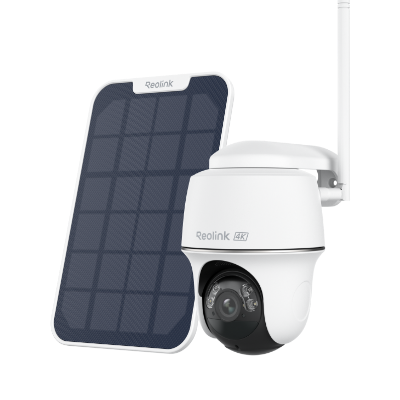
4k 100% Wire-Free PT Camera
4K 8MP Ultra HD; 5GHz/2.4GHz WiFi; Rechargeable Battery & Solar Powered; 355° Pan & 140° Tilt; IP65 Certified Weatherproof; Clear Night Vision; 2-Way Audio; 122° Wide Viewing Angle.
Comparison
Tips to Extend Wireless Camera Battery Life
Here are a few tips to enhance wireless camera battery life.
- Optimize camera settings. Put it on motion detection mode and record lower quality videos if possible.
- Use battery-saving modes if available on the camera
- Select the range for detection to prevent false alarms and reduce the number of events.
- Recharge the camera properly, and it is better to connect it to a solar panel.
- Provide adequate lighting at night so that there is no need for spotlights.
- Adjust the sensitivity of motion detection to reduce the number of false events.
- Shorten event length to save battery.
FAQs
1. What wireless security cameras have the longest battery life?
Reolink wireless security cameras offer an exceptional battery life. TrackMix LTE Plus offers smart battery mode, which ensures up to 72 hours of continuous performance. In motion detection mode, the battery can work for at least six months.
2. What will affect wireless camera battery life?
The battery life is affected by the usage or activity. If the camera is frequently used or the number of events per day is more than normal, the battery life will be short. Secondly, you should put the camera on motion detection mode to save battery. Other than that, working temperature, battery capacity, video resolution, and other factors also affect battery life.
3. Why does my camera run out of battery so quickly?
You might be using your camera in continuous mode. Turn on motion detection to record only when needed. Adjust camera settings to consume low power. Moreover, you might experience quick discharging if the battery is faulty.
4. How do wireless cameras stay charged?
If you want to keep your wireless camera charged, connect it to a small solar panel. 10-30 minutes of continuous charge will be enough for it to work for 24 hours.
5. What is the 80/20 battery rule?
The 80/20 battery rule is a simple way to extend the lifespan of rechargeable batteries, such as those in phones, laptops, and electric vehicles. It suggests keeping your battery’s charge between 20% and 80%, avoiding full charges and deep discharges. Staying within this range reduces stress on the battery’s cells, slows chemical aging, and helps maintain long-term capacity and performance.
What type of battery is best for wireless cameras?
Rechargeable lithium-ion batteries are generally the best choice for wireless security cameras. They offer high energy capacity, long service life, and can be recharged hundreds of times, making them more convenient and cost-effective than disposable batteries. For outdoor cameras, a rechargeable lithium-ion battery paired with a compatible solar panel can further reduce the need for manual charging.
Conclusion
The battery life of wireless cameras matters a lot. Before buying one, make sure it offers enough battery life so you can record everything without frequent charging. We have discussed how long these batteries usually last and the time required to charge them. We have also shared the statistics of some famous wireless camera brands for a quick comparison. If you are looking for a long battery life camera, consider the options we have shared. And don’t forget to follow the tips to enhance battery life.
Search
Subscribe for the Latest Updates
Security insights & offers right into your inbox