
Window Alarm Sensors: How They Work, Types, and Installation 2026
A window alarm sensor plays an important role in increasing the level of security of homes and detecting intrusions through the windows. In the article, we will explain the types of sensors, such as contact, glass break, and motion sensors. Moreover, we will discuss how they are mounted and managed. These sensors, especially when used together with security cameras, significantly improve security measures.
- What Is a Window Alarm Sensor?
- How Do Window Alarm Sensors Work?
- What Are Common Types of Window Alarm Sensors?
- 8 Key Features to Consider When Choosing a Window Alarm Sensor
- How to Install Window Alarm Sensors?
- Window Alarm Sensor vs. Security Camera: Do You Need Both?
- Troubleshooting and Maintenance
- FAQs
- Conclusion
What Is a Window Alarm Sensor?
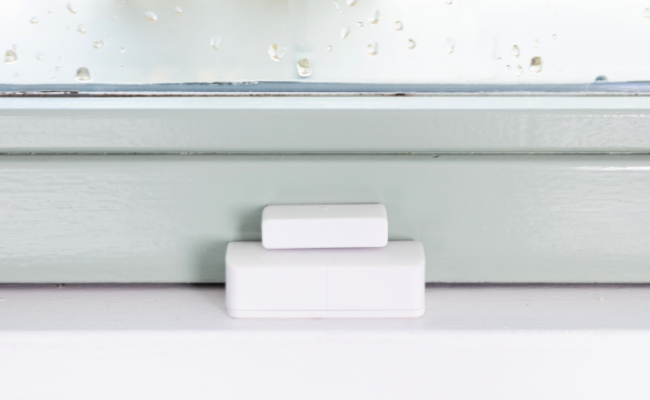
A window alarm sensor is a security device that detects activity at a window and sends an alert or triggers an alarm. The most common window sensor uses a magnet and contact sensor. When the window opens, the two parts separate and the security system detects the change.
Other window security sensors can detect broken glass, vibration, or movement near a window. The exact response may include a siren, smartphone notification, or signal to a home alarm system.
How Do Window Alarm Sensors Work?
Most window alarm sensors detect a specific change at or around a window. Magnetic contact sensors detect when a window opens, glass-break sensors detect the sound or vibration of breaking glass, and motion sensors detect movement nearby. When triggered, the sensor can activate a siren or send a signal to an alarm panel or smartphone app.
The working process is:
Detect → Send signal → Trigger response
What Are Common Types of Window Alarm Sensors?
There are 3 main types of window alarm sensors, and here is the function of each one, along with the details on where to install it.
Contact Sensors
A contact sensor consists of two parts, one placed on the window frame and the other on the window. Its functioning includes the two parts being in contact with each other when the window is closed. If the window is opened, the contact breaks, leading to the sounding of the alarm.
Contact sensors detect a window being opened, but normally will not detect someone breaking the glass without opening the window.
Where to Install:
Use contact sensors at each window, one part on the frame and the other on the windowpane. Proper alignment is essential for the system to work properly.
Glass Break Sensors
Powerful glass break sensors identify the noise or shock produced when glass is broken. They are meant to pick the different tones that correspond to the breaking of glass in case of break-ins.
- Acoustic glass-break sensors: listen for characteristic breaking-glass sounds.
- Shock/vibration sensors: detect impact or vibration on the glass/frame.
Where to Install:
Glass break sensors should be positioned close to windows or glass doors. Common positions are on the walls or ceilings up to 20 feet.
Motion Sensors
Motion sensors provide broader room or area protection rather than detecting the window itself. These are used to detect motion when an object is sensed within a specific radius. When a person gets close to the area monitored by the sensor, the alarm goes off, which helps increase the security of the area.
Where to Install:
Plug motion detectors in the rooms with the windows, this will require covering the areas around the windows with motion detectors. Place them in corner parts of the building or separate walls from which they have a clear view of the entirety of the premises.
8 Key Features to Consider When Choosing a Window Alarm Sensor
Detection Type
Choose based on what you want to detect. Contact sensors detect when a window opens, glass-break sensors detect shattered glass or impact, and motion sensors detect movement nearby.
Alarm and Notification Options
Check whether the sensor provides a built-in siren, sends smartphone alerts, connects to an alarm panel, or supports professional monitoring.
Wired or Wireless Design
Wireless sensors are generally easier to install and reposition, while wired sensors can provide a more permanent setup without routine battery replacement.
Battery Life
For wireless sensors, consider expected battery life and whether the system provides low-battery alerts.
Smart Home Compatibility
If you use a smart home or security ecosystem, check whether the sensor can integrate with your existing hub, app, alarm system, or automation platform.
Installation and Window Compatibility
Consider the window type, available mounting space, sensor-to-magnet alignment, and whether adhesive or screw mounting is supported.
Tamper Detection
Some sensors can alert you if the device is removed, opened, or otherwise tampered with.
Security Camera Integration
A window sensor can tell you that something happened, while a security camera can help show what happened. Using both provides detection plus visual verification.
How to Install Window Alarm Sensors?
Below is our complete guide on how to install these sensors with information on the location and tools that you will need.
Tools Needed
- Screwdriver
- Marker
- Measuring tape
- Level
- Sticky tape
Installing a Contact Sensor
- Clean the window frame and sash.
- Mount one sensor component on the frame.
- Place the magnet on the movable window section.
- Align both parts according to the manufacturer's specified gap.
- Pair the sensor with the alarm system if required.
- Open the window and test the alert.
Installing a Glass-Break Sensor
- Choose a wall or ceiling location with a clear path to the protected windows.
- Keep the sensor within the manufacturer’s recommended detection range from the glass.
- Avoid placing it near objects or appliances that may cause false alarms.
- Mount and connect the sensor according to the manufacturer’s instructions.
- Test the sensor to confirm it can detect the intended windows. One acoustic glass-break sensor may cover multiple windows if they are within its specified range.
Installing Motion Sensors
- Place the motion sensor where it has a clear view of the area around the windows.
- Mount it at the manufacturer’s recommended height and angle for the best detection coverage.
- Avoid pointing it toward heat sources, moving curtains, or other areas that may cause false alarms.
- Make sure furniture or other objects do not block its detection zone.
- Test the sensor by walking through the monitored area and adjust its position or sensitivity if needed.
Window Alarm Sensor vs. Security Camera: Do You Need Both?
Window sensors and security cameras serve different purposes. A window sensor detects an opening, impact, or movement, while a security camera provides visual monitoring and recorded evidence. Using both can provide earlier intrusion detection plus visual verification of what happened.
Window Sensor
Best for: immediate entry detection.
Window sensors can detect when a window is opened, broken, or disturbed, depending on the sensor type. They provide an early warning but usually cannot show what actually caused the alert.
Security Camera
Best for: seeing, recording, and verifying activity.
A security camera adds visual monitoring around vulnerable windows and entry points. For example, the Reolink Argus 4 Pro is suitable for wire-free monitoring around windows, front yards, or wide entrances, with 4K resolution and a 180° panoramic view.
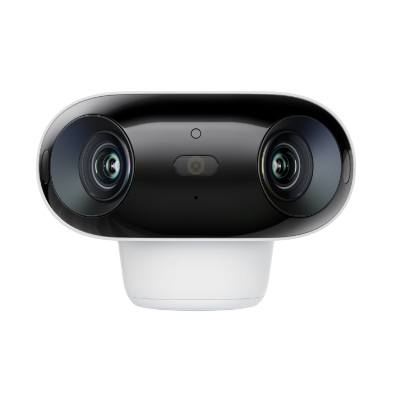
4k 180° Wire-free Color Night Vision Camera
4K UHD 180° Blindspot-free View; Color Vision Day and Night; 30% More Battery Life; Dual-band Wi-Fi 6; Smart detection.
For users who want more reliable wired monitoring and continuous recording, the Reolink Duo 3 PoE provides 16MP resolution, a 180° panoramic view, and PoE connectivity, making it suitable for monitoring several windows or a wide exterior wall with one camera.
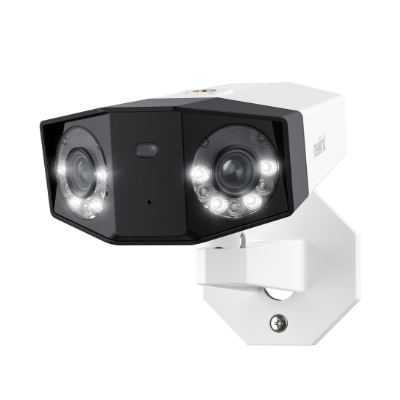
Groundbreaking 16MP Dual-Lens PoE Camera
16MP UHD, Dual-Lens, Motion Track, 180° Wide Viewing Angle, Power over Ethernet, Color Night Vision.
Using Both
Best for: layered window security.
A window sensor can alert you when a possible intrusion occurs, while a security camera can help verify who or what triggered the event and provide recorded footage. Using both provides stronger coverage than relying on either device alone.
Troubleshooting and Maintenance
FAQs
Are Window Alarm Sensors Worth It?
Yes, window alarm sensors are worth it if a family or an individual wants to enhance the physical security of their house. Their property and family’s safety are protected from burglars. They secure a basic level of protection as they inform you of an intrusion.
Do Window Alarm Sensors Go Bad?
Yes, the window alarm sensors can be damaged over time because of wear and tear, low battery, or unfavorable conditions including environmental factors. They must be serviced from time to time and tested from time to time so that they will always be in proper working condition.
Does ADT Put Sensors on Windows?
Yes, ADT puts sensors for windows in the security systems that they offer to their clients. They provide different varieties of sensors that involve contact, glass breakage, and motion sensors for proper protection of the home.
Which Window Alarm Is Best?
There isn’t a ‘best’ window alarm since it depends on what you want out of a window alarm. Some of the popular systems are SimpliSafe, Ring, as well as ADT. While SimpliSafe allows people to install the system by themselves, Ring has integration with smart home systems, and ADT has professional monitoring.
Conclusion
Window alarm sensors are important in protecting a home since they provide an efficient and effective method of detecting any intrusion. This is the only way that one will be able to maximize the performance, type, installation, and manner of maintaining such systems. Integrated with security cameras such as Reolink Argus 4 Pro or Reolink Go PT Ultra, sensors increase your home’s safety.
Search
Subscribe for the Latest Updates
Security insights & offers right into your inbox