






























































































































































What Is Landscape Photography? A Beginner’s Guide
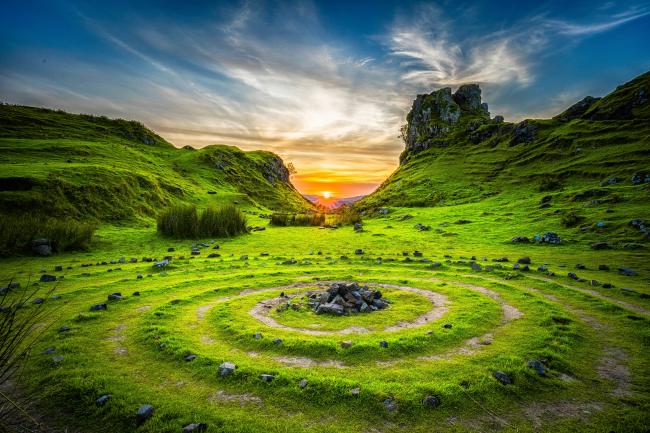
The view of outdoors is something that has captured the imagination of artists since time immemorial, but when it comes to landscape photography, many amateurs would be left asking what is landscape photography and search for the landscape photo meaning.
We have got a clear answer in this guide. It divides the subject into easy-to-handle sections, such as picking a scene all the way to choosing equipment, and you can begin with the confidence that you will have.
What Is Landscape Photography?
Landscape photography is the art of the personification of land, sky, and the interaction between them. The photographer is an outdoors photographer who studies the light, makes decisions about framing, and presses the shutter when the form, color, and atmosphere are in a range. The final image allows the audience to imagine that they are in the scene.
A landscape photograph commonly has such artificial elements as a foreground anchor, a point in the story middle ground, and the climax point in the background, like a peak or horizon. These strata develop thickness and lead the eye. Whereas all the other photo genres revolve around individuals or items, landscape photography gives praise to space and encourages silent contemplation.
The photograph is a visual ode to nature that is as great as it can be, and it makes us aware of the fact that there is still wild ground that needs to be carefully watched.
What Subjects Are Considered Landscape Photography?
Mountains, deserts, coasts, forests, and rolling plains are traditional subjects. The badlands, canyon systems, and glacial valleys also belong to the genre as they demonstrate the power of the natural processes. Most often, photographers point lenses at wetlands, rivers, and waterfalls to ensure the capture of some movement, which is opposite to a solid land.
The terrain in the form of a human being may be eligible, provided that the land remains the center of events. It is a barn in great fields of wheat, or a winding road over red rock. These small buildings provide proportion, but they are not overwhelming the vast scene.
The same can be said about wind turbines or lighthouses that might become visible when they enhance the sense of place and not the absence of the latter. City skylines are more of urban photography than landscape work since glass towers are the main focus as opposed to the view enablers.
What Are Common Techniques in Landscape Photography?
Thirty minutes in front of a beautiful view may still yield a dull photo if the craft fails. The next sections describe three reliable methods that help translate what you see into a compelling picture that holds a viewer’s attention. Mastering these tools fosters consistency and prevents frustration during valuable field time.
Composition basics
The rule of thirds subdivides the frame into 9 parts. Mark verticals on the third upper or lower and overlay subjective matters that appear in the centre of the verticals. Top lines, like fences, rivers, or ridges, draw the viewer into the frame and make the gaze focused on the key object.
Foreground interest, e.g., rocky texture or wild flowers, provides a richness and invites the viewer to travel to the distance with their eyes. Keep the foreground sharp; put a tripod and a little aperture in such a way that the details do not distract at all, but make good the larger scene. Natural frames such as hanging boughs or curvy caves can also be used to frame the subject and provide a sense of rhythm also watch.
Lighting and timing
Light shapes mood. Golden hour, occurring shortly after sunrise and before sunset, casts warm, low-angle rays that reveal texture and add depth. Blue hour, the brief period of cool light before dawn and after dusk, lends soft tones ideal for calm lakes or minimalist dunes.
Weather shifts create drama. Storm clouds crossing sunlit fields deliver contrast and scale. Mist rising from a river softens edges and creates separation between layers. Track forecasts and plan outings when conditions promise interest rather than flat overhead sun. Do not fear rain; wet rocks gleam and colors saturate after showers.
Camera settings
The depth of field and noise minimization are desired by landscape photographers. Begin with an aperture of between f/8 and f/11 in order to ensure sharpness with the foreground and background. Fix the ISO to a base which is usually 100 to retain detail. To stabilize the exposure, the Shutter speed is then floated.
The camera is too slow to use in the hand, so when the speed is too slow, mount the camera on a firm tripod. Think about remote release so as not to vibrate. People should also enable the long-exposure noise reduction in cases where the duration of a shot exceeds a few seconds at night. To move the water or clouds, expose intentionally, so that the motion is blurred and motionless objects are made razor sharp.
What Is the Best Lens for Landscape Photography?
The choice of a lens should be determined by what that is you can tell a story and how much you can carry. There is no universal lens that fits all situational conditions, and they all should be thought of in terms of focal range and optical quality. Weight, weather sealing, and even filter compatibility also play an important part in the ultimate decision.
-
14–24 mm ultra-wide zoom: Embraces sweeping vistas, dramatic skies, and tight foreground elements without stitching. Edge-to-edge sharpness, robust build, and gasket seals make it a favorite for rugged trips that include snow or sand.
-
24–70 mm standard zoom: Covers most field needs from wide scenes to detail studies. A constant moderate aperture lets you shoot in low light while keeping the weight manageable. The lens also accepts standard screw-in filters, simplifying workflow along rivers and roads.
-
35 mm prime: Offers a natural perspective close to human vision with exceptional sharpness, small size, and a bright maximum aperture for twilight frames or starry skies. Its restrained distortion fits stitched panoramas and architectural edges.
-
70–200 mm telephoto zoom: Compresses distant ridges, isolates graphic shapes, and reaches peaks you cannot approach. Optical stabilization helps keep images sharp even on breezy ridgelines. Pair it with a lightweight monopod for longer hikes.
-
24 mm tilt-shift: Allows precise control over the plane of focus and perspective correction. You can keep foreground flowers and distant mountains sharp in one frame or straighten tall pines that lean inward on normal wide lenses.
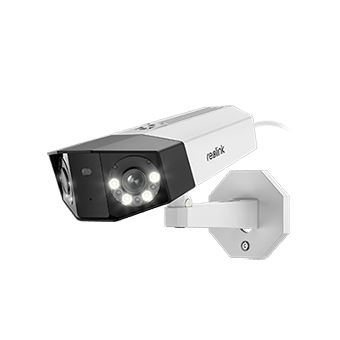
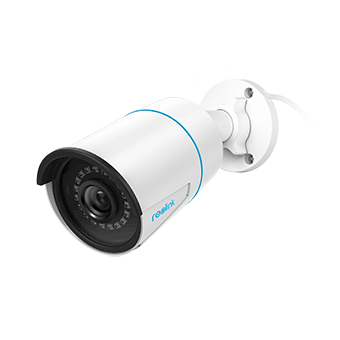
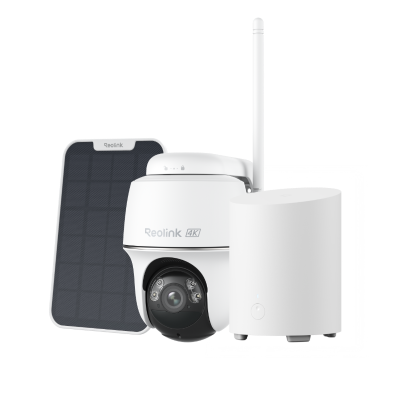
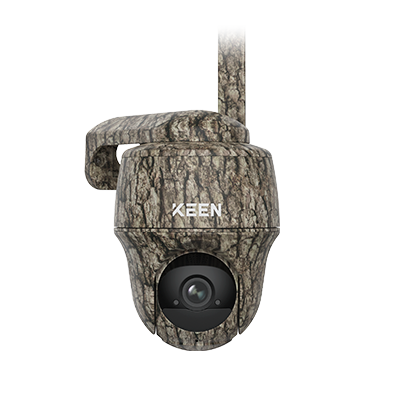
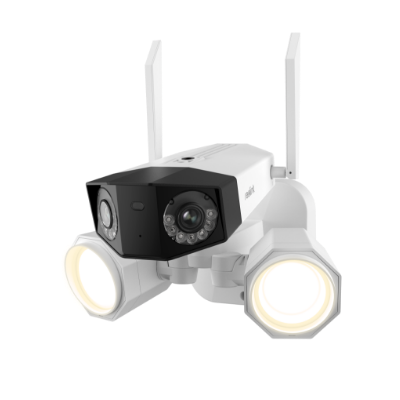
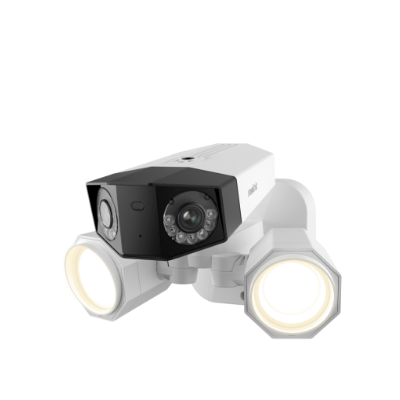
Although security cameras don’t use professional photography lenses, their wide-angle and ultra-wide lenses can capture entire areas, making them ideal for outdoor surveillance and broad property coverage.
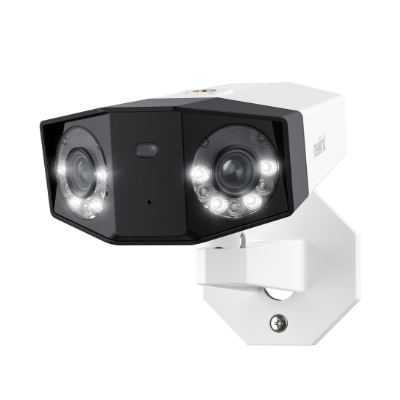
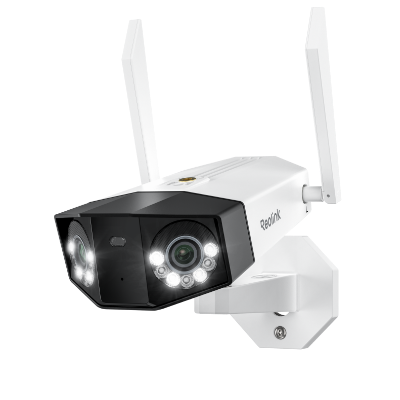
Groundbreaking 16MP Dual-Lens PoE Camera
16MP UHD, Dual-Lens, Motion Track, 180° Wide Viewing Angle, Power over Ethernet, Color Night Vision.
Why Landscape Photography Matters?
To most people, they encounter landscape pictures every day, but they might not understand what the craft brings to society and to an individual. The advantages extend beyond the aesthetic enjoyment and into science, culture, and self-improvement.
-
Environmental record: Recurring images of glaciers, beachlines, and woodland offer scientists visual information by which alteration is monitored over the span of decades. Similar angles will facilitate comparisons and be convincing.
-
Cultural identity: Pictures of famous national parks and local landmarks enhance the spirits of the residents and promote preservation. They make residents and other visitors remember about heritage worth preserving.
-
Personal reflection: Time elapsed in the field instills patience, observation, and admiration for the natural cycle; the qualities bring more meaning to life than photography. Hiking takes place in isolated paths, which helps improve health and eliminate stress.
-
Skill foundation: Learning to control exposure, composition, and timing outdoors makes managing the technical aspect more mastered, which is applied in portrait, traveling, and documentary assignments. The difficulty of turning light on and his learner survives in the struggle.
-
Advocacy tool: Moving imager,y Pro-wilderness campaigns, river revitalization, and enhancing access to the general population, all of which are backed with compelling landscape imagery. A computer-generated image can be more effective than a long report.
Landscape Photography vs Nature Photography: What's the Difference?
Many beginners use both terms as if they mean the same thing; however, the intent and typical subjects often diverge. Understanding differences helps you pick the right approach and gear before heading out.
FAQs
What is landscape orientation in photography?
Landscape orientation places the long side of the frame at a horizontal position, as is the case with the eyes scanning the landscape left to right and comfortably perceiving depth. The site is appropriate for sweeps of coasts, set ridges, broad water bodies, and broad sceneries. Where the vertical structure prevails, pour art in portrait form; leave the composition and not custom to determine all.
What are the three types of landscape photography?
Many photographers group landscapes into representational, impressionistic, and abstract styles. Representational images show scenes as they appear. Impressionistic works interpret mood through motion blur or selective focus. Abstract landscapes focus on line, color, and pattern rather than location. Each style communicates a distinct emotional response and invites fresh thought.
What is the rule of 3 in landscape photography?
The rule of thirds divides a photograph into nine equal rectangles using two horizontal and two vertical lines. Place elements where the lines cross, and avoid horizons dead center. This guideline encourages balance, directs the viewer’s gaze, and keeps compositions dynamic, though you can break it once you master framing.
Conclusion
You now understand what landscape photography is and appreciate the landscape photo's meaning. The craft asks you to blend technical control with a keen eye for land and light. Pack your camera, apply the ideas above, and share your next scene so the discussion continues, skills grow, and wild places remain valued.
Search
Subscribe for the Latest Updates
Security insights & offers right into your inbox