
What Can Cats Eat Besides Cat Food?
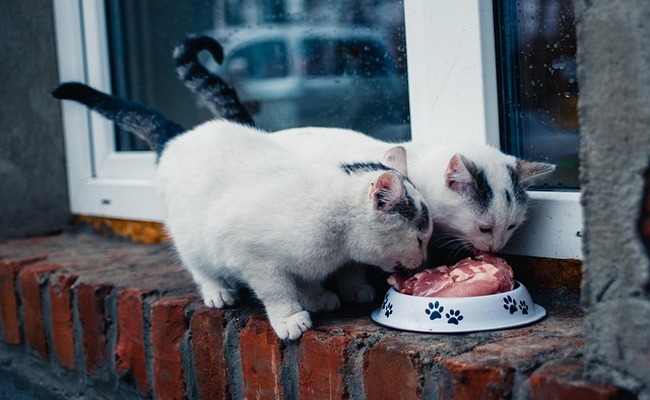
Choosing the right food for cats is a bit difficult. If you are selecting food besides cat food, you have to be extra careful. As is often the case, common human food items can be toxic and hard on the digestive system.
In this article, we will discuss what cats can eat besides cat food. We will share which items they can safely eat and which are dangerous for them. We will also talk about how you can prevent cats from eating toxic foods.
What Can Adult Cats Eat Besides Cat Food?
- Meat: Cats need animal protein to survive. Hence, meat is an excellent source of complete nutrition. You can go with chicken, turkey, or cod, skinless, boneless, and oil-free. You can also give fish, like salmon and tuna, but in moderation.
- Eggs: Cats can eat eggs. They are an excellent source of protein. Give properly cooked or boiled eggs, which should be chopped into small pieces. Never give raw eggs to cats.
- Vegetables: Vegetables are good for digestion, and they provide vitamins and fiber. You can feed cooked carrots, sweet potatoes, and pumpkin. You can give spinach and lettuce in small amounts. Steamed peas, beans, or broccoli without salt are also good.
- Fruits: Most cats don’t have the receptors for the sweet taste, so they like the texture and moisture of fruits. You can give deseeded watermelon and apples. Strawberries and blueberries are superfoods for cats. Bananas are high in potassium and can be given in moderation.
- Grains: Grains are good for digestion and can be given to cats with digestive issues. You can give whole grains, including cooked brown rice, oats, quinoa, and couscous. Just make sure they are fully cooked.
What Can Kittens Eat Besides Cat Food?
Kittens may have some of the same food as adult cats. Their digestive system is more delicate and sensitive, so they require food alternatives with more precautions in small amounts.
- Meat: Kittens can also eat meat, and this is a good source of protein for them. You can give chicken and turkey, but in small amounts, fully cooked, and in a shredded form with no seasoning. It’s the safest treat.
- Goat Milk: Kittens can have goat milk. It’s better than cow milk due to lower lactose and easier digestion. However, consider it as a temporary measure or treat.
- Eggs: Eggs are also nutritious for kittens. They provide healthy fats and proteins. Give properly boiled eggs in a finely mashed texture. Occasionally, add it to the kitten's diet, and do not add oil or butter.
- Vegetables: Vegetables provide essential fiber. Use properly boiled and mashed carrots, beans, and pumpkin. Avoid overfeeding because it will increase fiber intake for kittens.
- Fruits: Blueberries are an excellent source of antioxidants. Smart them first before feeding them to kittens. Bananas are high in potassium and soft enough for kittens. You can also give mashed apples (remove seeds) and seedless watermelons.
- Grains: Properly cooked or boiled brown rice and oats with a fine texture and a small quantity are acceptable for kittens. You can also give oatmeal and couscous.
Human Foods To Avoid Feeding Your Cat
- Chocolate: Chocolate contains theobromine, which cannot be processed by the cat’s digestive system. It leads to vomiting, seizures, irregular heartbeat, and death in severe cases.
- Raw Eggs: Raw eggs may contain a bacterium named Salmonella. This bacterium poses health risks, blocks biotin absorption, and negatively affects the skin health of cats.
- Onion & Garlic: Feeding Onion and Garlic is not safe for cats because they destroy the red blood cells, cause anemia, and result in long-term damage.
- Salty Snacks: Overconsumption of salt results in sodium poisoning, which ultimately makes the cats suffer from vomiting, sickness, and loss of fluid in their bodies.
- Yeast Dough: Cats suffer from bloating and poisoning after eating yeast dough because it rises in their stomach and releases alcohol.
- Tomatoes: Tomatoes contain solanine, which is not digestible by cats. Tomatoes upset the cat’s gastrointestinal activities, causing lethargy, drooling, and heart problems.
A Few Things To Consider Before Providing An Alternative Meal
Digestive Sensitivity: Cats naturally have a very sensitive digestive system, which can easily be upset due to sudden diet changes. Sudden addition of new food can result in diarrhea, vomiting, and constipation. So always avoid allergic & toxic foods, ensure food safety, and introduce new food gradually by mixing it with the old diet in a small amount.
Nutritional Balance: Always check the nutritional needs first before trying alternative food because cats rely on proper nutrition for overall health. Ensure essential nutrients like protein, vitamins, taurine, and minerals to avoid deficiencies in the diet.
Veterinarian Advice: Consulting a veterinarian is very important because getting an expert’s advice ensures the safety and suitability of the food. Veterinarians assess the cat’s age, breed, and overall health, then recommend a diet suited to the cat's needs to help prevent dietary problems.
Texture & Chewability: Texture plays an important role in the eating experience of cats. So always thrive on foods that are finely chopped, well-prepared, and soft in texture. Foods that are large in size, hard, or have bones can injure the cat’s mouth or throat.
Hydration Needs: Always choose the alternative food that has a sufficient moisture level. If the alternative diet is dry or low in water content, add additional fresh water to prevent dehydration, kidney-related problems, and urinary tract issues.
Bonus: How to Avoid Cats Eating Toxic Foods?
To keep your cat safe, always keep the human food, toxic, and allergic food away from cats. You can choose sealed containers, high shelves, and cupboards.
- Always monitor your cat during mealtime and meal preparation, as cats are quick and eager, especially around food. Leaving cooking areas or dishes unattended can increase the chances of accidental consumption.
- When direct supervision is not possible, a pet camera is the best option to track the cat’s movements in the dining area and kitchen. You can choose Reolink E1 Zoom for monitoring cats’ activities remotely and get real-time alerts.

PTZ Wireless Smart Home Camera
Smart, Powerful and Affordable All-Round Home Protection. 355° Pan and 50° Tilt; 4K Ultra HD, 3X Optical Zoom, Two-Way Audio, 2.4/5 GHz WiFi, with Google Assistant Integration.
- Trash bins should be stored securely and covered properly, as leftover food in them may contain toxic substances such as tomatoes, onions, garlic, chocolate, or bones.
FAQs
1: What Can I Feed My Cat When I Run Out Of Cat Food?
You can feed your cat a small amount of properly cooked food like chicken and fish without seasoning. Make sure to avoid the toxic items like onion, chocolate, raw meat, and eggs.
2: What Human Foods Are Safe For Cats?
Human foods, such as plain and well-cooked fish, meat, eggs, and turkey, are safe options for cats. However, always remember to give these foods occasionally, as cats require a proper and balanced diet to maintain their overall health.
3: Can You Feed A Cat Scrambled Eggs?
Yes, you can feed a cat scrambled eggs, but they must be plain and fully cooked. Understand the serving size according to your cat’s age and avoid adding salt, butter, oil, or spices.
4: What Is the Silent Killer Of Cats?
Chronic Kidney Disease (CKD) is commonly known as the silent killer for cats because it gradually grows with no symptoms. Cats seem perfectly fine until their kidney function is severely compromised. Avoid foods like raw eggs, meat, dry items, or onions to reduce CKD risks.
Conclusion
Offering different foods besides cat food can be fun, but only if you know the precautions. The wrong choice of alternative food for cats can cause serious health problems. Always learn what cats can eat besides cat food and then make a proper choice that suits your cat’s or kitten’s health, age, breed, and overall nutritional requirements.
Search
Subscribe for the Latest Updates
Security insights & offers right into your inbox