
Top 10 Safest Cities in South Carolina
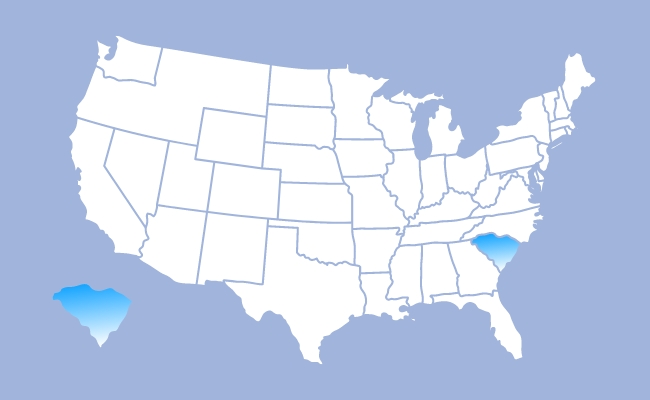
South Carolina blends southern charm with coastal beauty, making it a popular relocation destination. For those prioritizing security, identifying the safest cities in South Carolina is essential.
This guide examines natural disaster risks, safety tips and crime rate in South Carolina. Whether moving or visiting, you'll discover which communities offer the greatest peace of mind. We will analyze data from official sources to provide reliable insights for your decision-making.
Is South Carolina Safe?
South Carolina's safety profile shows both strengths and concerns statewide. The violent crime ratio stands at 4.9 incidents per 1,000 residents, slightly above the national average. The property crime ratio is more prevalent at 27.1 per 1,000, indicating higher theft and burglary risks. These figures come from the FBI's 2023 Uniform Crime Reporting program.
Many communities maintain significantly lower crime rates than these statewide averages. Coastal tourist areas and urban centers typically report higher incidents. In contrast, suburban and smaller towns often demonstrate exceptional safety records.
When evaluating safety, consider both current statistics and multi-year trends. Some areas show improving crime rates due to community policing initiatives. Others face persistent challenges requiring extra precautions.
Top 10 Safest Cities in South Carolina
Safety-conscious residents prioritize these communities with exceptional South Carolina crime rate statistics. Each city combines low crime rates with an excellent quality of life.
Mount Pleasant
With only 0.8 violent crimes and 12.3 property crimes per 1,000 residents, Mount Pleasant ranks as South Carolina's safest city. Its coastal charm combines with strong community policing and declining crime trends. The town's excellent schools and neighborhood watch programs maintain its top safety ranking.
Tega Cay
Tega Cay reports remarkably low crime at 0.5 VCR and 8.1 PCR per 1,000 residents. This lakeside community's gated neighborhoods and active resident involvement create an exceptionally secure environment. Its safety record has remained consistently strong for years.
Fort Mill
Fort Mill shows 1.1 VCR and 15.2 PCR per 1,000 residents, with improving safety metrics. Strategic policing and community engagement help maintain security despite rapid growth. The town's family-friendly atmosphere complements its strong safety ranking.
Bluffton
Bluffton maintains 1.3 VCR and 16.8 PCR per 1,000 residents, with particular success in reducing burglaries. The historic district's smart surveillance systems and active neighborhood watches enhance security. Tourism is well-managed to prevent seasonal crime spikes.
Hanahan
Hanahan's 1.4 VCR and 17.2 PCR per 1,000 residents reflect its military community's influence. Proactive policing and citizen academies build strong community relationships. Even with growth, its safety record remains excellent.
Clemson
Clemson reports 1.6 VCR and 18.4 PCR per 1,000 residents, benefiting from university security measures. The campus emergency systems extend protection throughout much of the town. Crime trends show particular improvement in downtown safety.
Mauldin
Mauldin demonstrates 1.7 VCR and 19.1 PCR per 1,000 residents with excellent police response times. Investments in predictive policing technology help prevent crimes before they occur. Neighborhood safety walks maintain strong community security.
Lexington
Lexington shows 1.8 VCR and 20.3 PCR per 1,000 residents, with improving annual trends. Community policing focuses on youth engagement and theft prevention programs. These efforts elevated its safety ranking from #12 to #8 in 2019.
Aiken
Aiken maintains 1.9 VCR and 21.5 PCR per 1,000 residents, with particular success in its historic district. Active neighborhood watch programs and community pride contribute to its safety. The equestrian community's stability enhances overall security.
Greer
Greer completes the top 10 with 2.0 VCR and 22.7 PCR per 1,000 residents. Strategic policing has reduced crime despite significant population growth. Industrial expansion funds additional safety initiatives that benefit all residents.
How to Find the Safest Place to Live in South Carolina?
Identifying the safest place to live in South Carolina requires careful evaluation of multiple factors. Start by comparing crime statistics across potential locations, focusing on both violent and property crime ratios. Neighborhood Scout and local police crime maps provide reliable data for this research.
The most common crimes in South Carolina are property-related, particularly theft and burglary. Violent crimes occur less frequently but vary significantly by location. Areas with strong neighborhood watch programs often show lower crime rates. Well-lit streets and active community policing also enhance safety.
Consider visiting shortlisted areas at different times to assess their atmosphere. Speak with residents about their safety experiences and local initiatives. These steps help identify communities matching your security priorities and lifestyle needs.
5 Most Dangerous Cities in South Carolina
These urban areas require extra precautions due to elevated crime rates in South Carolina. Understanding their challenges helps visitors and residents stay safe.
Myrtle Beach
Myrtle Beach struggles with 8.2 violent crimes and 42.3 property crimes per 1,000 residents. Tourism drives seasonal crime spikes, particularly in entertainment districts. Additional police patrols and cameras have stabilized but not resolved safety concerns.
Columbia
Columbia reports 7.1 VCR and 35.9 PCR per 1,000 residents, with certain neighborhoods disproportionately affected. New community policing models show promise in reducing violent crime trends. Downtown areas have seen particular improvement through business partnerships.
North Charleston
North Charleston faces challenges with 9.4 VCR and 38.2 PCR per 1,000 residents. Targeted enforcement has reduced homicides, but property crimes remain high. Neighborhood revitalization projects aim to address the root causes of criminal activity.
Florence
Florence's primary issue is property crime, at 35.6 incidents per 1,000 residents. New theft deterrent programs show early success in reducing rates. Violent crime (6.2 VCR) has shown modest improvement through business district collaborations.
Sumter
Sumter reports 6.8 VCR and 32.1 PCR per 1,000 residents, with some positive trends emerging. Community intervention programs have successfully reduced youth-related crimes. Police neighborhood resource centers build trust and gradually improve safety.
How to Stay Safe in South Carolina?
Enhancing personal safety in South Carolina begins with home security measures. Install a comprehensive security system like Reolink Home Hub Kit for reliable monitoring. Their 4K cameras with motion detection offer excellent protection for South Carolina homes.

Wireless Security System With 4K PT Standalone Battery/Solar Wi-Fi Cameras
4K Color Footage Day & Night, 1 Year of Local Storage, Exclusive Anti-Theft Algorithms, 360° All-Around Coverage, Expandable System Up to 8 Reolink Cams.
Community engagement significantly improves neighborhood safety, participation in local watch programs, and building relationships with neighbors. These connections create natural surveillance networks, deterring criminal activity.
Practice situational awareness in public spaces, especially at night. Keep valuables secured and vary routines to avoid predictability. These simple habits greatly reduce personal safety risks.
Additional: Top 10 Safest Cities in South Carolina from Natural Disasters
Inland locations offer protection from coastal storms and flooding. These communities combine geographic advantages with strong emergency preparedness.
Rock Hill
Rock Hill's inland location and advanced drainage systems minimize hurricane and flood risks. The city's emergency management program is state-certified for disaster preparedness.
Greenville
Greenville's foothills location shields it from coastal storms. The city invests in weather-resistant infrastructure and maintains excellent emergency response systems.
Simpsonville
Simpsonville's elevation and strict building codes provide natural disaster protection. The community has never required hurricane evacuations.
Spartanburg
Spartanburg's geographic advantages and redundant communication systems prevent weather disruptions. Annual disaster plan updates ensure continued safety.
Anderson
Anderson's lake system manages flood risks effectively. Modern infrastructure and emergency shelters enhance its disaster resilience.
Easley
Easley's terrain naturally prevents flooding. The city's floodplain management and backup systems maintain services during storms.
Taylors
Taylor's protected watersheds and superior stormwater systems prevent weather damage. Emergency alerts reach all residents quickly.
Wade Hampton
Wade Hampton's underground utilities and disaster-resistant designs minimize storm impacts. Mutual aid agreements ensure rapid resource deployment.
Five Forks
Five Forks' modern infrastructure resists extreme weather. Preventive maintenance keeps services running during disasters.
Berea
Berea's natural features and advanced emergency center provide excellent disaster protection. Regular drills maintain preparedness.
FAQs
1. What city has the lowest crime rate in South Carolina?
Tega Cay currently has South Carolina's lowest crime rates. Its VCR of 0.5 and PCR of 8.1 make it exceptionally safe.
2. Is North or South Carolina safer?
North Carolina shows slightly better safety statistics overall. However, both states have safe and risky areas requiring individual evaluation.
3. What are the disadvantages of living in South Carolina?
Potential drawbacks include hurricane risks, high humidity, and varying school quality. Crime rates in South Carolina also differ significantly by location.
4. Which city is best to live in South Carolina?
The best city to live in South Carolina depends on your lifestyle. Greenville offers jobs and outdoor activities, Columbia has culture and education, Charleston boasts history and coastal charm, Mount Pleasant provides family-friendly suburbs, and Hilton Head Island is ideal for a relaxed coastal life.
Conclusion
South Carolina offers diverse living options, with many of the safest cities in South Carolina providing excellent security. From Mount Pleasant to Tega Cay, low-crime communities combine safety with quality living. By researching locations and identifying the safest place to live in South Carolina, residents can enjoy all the state offers peacefully.
Search
Subscribe for the Latest Updates
Security insights & offers right into your inbox