
Top 10 Most Dangerous Cities in Pennsylvania

Pennsylvania incorporates both industrially established cities and rural communities, thereby creating rather considerable safety disparities. Some cities are extremely dangerous, and people need to be careful while visiting.
In this article, we will share the most dangerous cities in Pennsylvania. We will share crime stats and a safety guide.
Is Pennsylvania Dangerous?
Pennsylvania's violent crime rate (VCR) of 4.3 per 1,000 residents exceeds the national average (4.0), while property crimes (PCR) occur at 24.7 per 1,000. The most dangerous cities in Pennsylvania show extreme concentrations, with Chester's VCR reaching 16.4 and Philadelphia's PCR hitting 48.2 - among the highest rates in the Northeast. Despite holding only 35% of the state's population, these urban centers are responsible for about 60% of its violent crimes.
A 19% rise in opioid-related offenses in once-industrial towns like McKeesport and Reading is one of the alarming tendencies in recent crime trends. Every year, Pennsylvania firms lose $2.3 billion to retail theft rings, with organized groups focusing on the suburbs of Philadelphia.
However, in tech-savvy areas, the implementation of smart security has resulted in an 11% decrease in residential thefts.
Source: FBI Uniform Crime Report, Pennsylvania State Police Crime Statistics
Top 10 Most Dangerous Cities in Pennsylvania
The top 10 most dangerous cities in Pennsylvania reflect communities where crime rates far exceed state averages. Economic decline, drug trafficking, and concentrated poverty exist in these communities and are factors in their high levels of crime.
Chester
Chester leads with 16.4 violent crimes and 52.8 property crimes per 1,000 residents, concentrated in abandoned industrial zones. A new gunshot detection system has reduced police response times to under 90 seconds in high-risk areas.
Despite progress, drug markets near the Delaware River continue driving 38% of violent incidents. Micro-grant programs have funded 200 home security installations in vulnerable neighborhoods this year.
Philadelphia
Philadelphia reports 13.9 violent crimes and 48.2 property crimes per 1,000, with Kensington accounting for 41% of opioid-related offenses. A specialized retail theft task force arrested 47 organized crime members last quarter.
Temple University's campus safety initiative has decreased robberies by 22% through increased lighting and patrols. However, vehicle break-ins remain problematic near tourist areas.
McKeesport
McKeesport documents 11.7 violent crimes and 45.3 property crimes per 1,000, concentrated in former steel valley neighborhoods. The Mon Valley Initiative's blight removal program demolished 80 hazardous structures this year, reducing crime in cleared areas by 18%.
Community policing in the Fifth Ward decreased assaults by 19% through increased foot patrols. However, heroin trafficking along the Monongahela River continues to challenge law enforcement efforts.
Reading
Reading shows 10.4 violent crimes and 43.8 property crimes per 1,000, with the downtown corridor accounting for 35% of offenses. The police department's new ShotSpotter system has improved shooting response times by 40%.
A business improvement district installed 50 security cameras along Penn Street, reducing retail theft by 23%. Opioid-related crimes remain problematic near transportation hubs.
Harrisburg
Harrisburg reports 9.6 violent crimes and 41.2 property crimes per 1,000, particularly in the Allison Hill neighborhood. The city's violence intervention program has connected 75 high-risk individuals with social services this year.
Downtown revitalization efforts decreased property crimes by 15% in the Capitol district. Auto thefts along I-83 continue rising, with a 12% increase since 2022.
York
York's 8.9 violent crimes and 39.7 property crimes per 1,000 reflect challenges in its historic downtown area. The police department's community outreach unit has improved relations in high-crime neighborhoods, resulting in 28% more crime tips.
Security cameras installed in city parks reduced after-hours incidents by 21%. Gang activity remains concentrated along Philadelphia Street.
Scranton
Scranton documents 8.1 violent crimes and 37.4 property crimes per 1,000, with student housing areas seeing seasonal spikes. The university district's lighting upgrades decreased nighttime assaults by 17%.
A new retail security partnership along Lackawanna Avenue has reduced shoplifting by 19%. Vacant properties still account for 25% of crime locations.
Allentown
Allentown shows 7.6 violent crimes and 35.9 property crimes per 1,000, particularly near the transportation center. The police department's gang task force has made 62 arrests this year targeting violent offenders.
Downtown business cameras helped solve 38 felony cases last quarter. However, vehicle break-ins continue to plague parking garages.
Wilkes-Barre
Wilkes-Barre reports 7.0 violent crimes and 34.2 property crimes per 1,000, concentrated in the downtown entertainment district. The city's new license plate reader program recovered 45 stolen vehicles in three months.
Community policing initiatives have improved relations in public housing complexes. Drug-related offenses remain problematic near the Susquehanna River.
Johnstown
Johnstown completes the list with 6.5 violent crimes and 32.8 property crimes per 1,000, primarily in the Cambria City neighborhood. A neighborhood watch program has reduced home burglaries by 16% in participating areas.
The city's riverfront redevelopment project decreased crimes in revitalized zones by 22%. Economic challenges continue impacting long-term safety improvements.
How to Identify the Most Dangerous Cities in Pennsylvania?
The FBI Uniform Crime Reporting guidelines are used by the Pennsylvania State Police to monitor and compare local crime rates. Three property crimes (burglary, theft, and auto theft) and four violent crimes (homicide, rape, robbery, and serious assault) make up the seven index offenses that this methodology examines. For precise comparisons across communities of varying sizes, rates are computed per 1,000 residents.
Experts advise looking at 3-year crime trends rather than one-year data for assessing safety. According to interactive maps from the Pennsylvania Justice Network that display statistics at the neighborhood level, only 12% of municipal territory accounts for 55% of violent crimes. These crime concentrations are highly correlated with economic indicators, such as unemployment and poverty rates.
How to Stay Safe in Pennsylvania?
Multiple levels of protection should be implemented by residents in high-risk areas. In addition to providing vital evidence, installing security cameras with motion detection and night vision capabilities might discourage criminal activity. Hide spots surrounding residences are eliminated with well-maintained landscaping and adequate outside lighting.
Consider the Reolink TrackMix security camera. It's a dual-lens motion tracking security camera with a pan and tilt feature. It can cover a wider area in high resolution and offer a close-up view with exceptional details. It sends real-time alerts, deters intruders, and offers reliable performance.
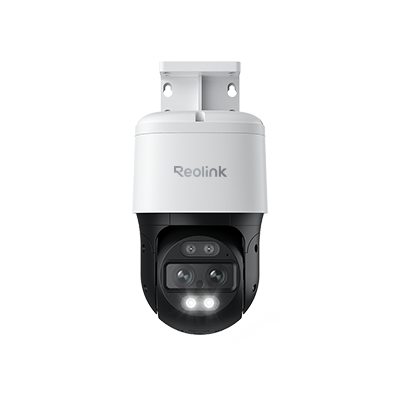
4K Dual-Lens PTZ Camera with Dual Tracking
4K 8MP Ultra HD, Wide & Telephoto Lenses, Pan & Tilt, Auto-Tracking, Person/Vehicle Detection, Power over Ethernet, Two-Way Audio.
Neighbor safety still depends on community involvement. Engage in neighborhood watch programs, which have been shown to reduce crime in participating regions by 15% to 20%. To discuss safety concerns, get to know your neighbors, and create communication channels.
FAQs
Which city in PA has the highest crime rate?
Chester's 16.4 violent crimes per 1,000 surpass even Philadelphia's worst districts. The West End's abandoned industrial sites facilitate chronic criminal activity.
What is the safest city in Pennsylvania?
Upper Dublin Township (VCR: 0.7) combines affluent demographics with Pennsylvania's most advanced community policing program.
Conclusion
The most dangerous cities in Pennsylvania pose serious but controllable safety issues. Knowing local trends is crucial for protection, from Philadelphia's urban crime hotspots to Chester's industrial decline. Residents may safely navigate these locations and take advantage of everything Pennsylvania has to offer by combining awareness, community participation, and contemporary security solutions.
Search
Subscribe for the Latest Updates
Security insights & offers right into your inbox