
Most Dangerous Areas in London: Where to Be Extra Cautious 2026
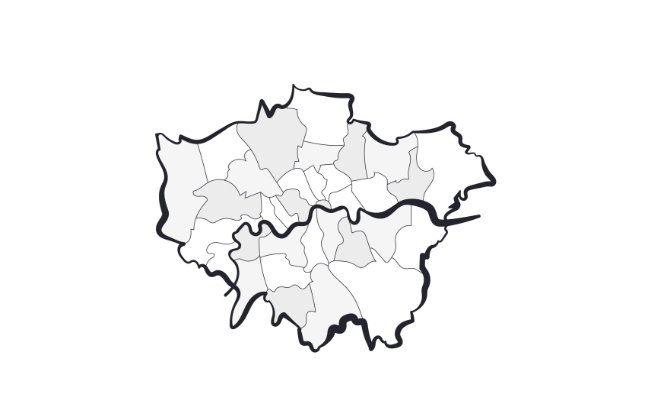
London is a big city. Some areas are safe, but others are not. Certain places have more crime, and you need to watch out there. This article lists what are the most dangerous areas in London for 2026. It helps you stay cautious, whether you live here or just visit. So, let’s take a look at the areas to avoid in London.
Top 10 Most Dangerous Areas in London
Crime doesn’t hit every part of London the same. Some areas deal with more trouble, and that makes them riskier. Below are the top 10 most dangerous areas in London. Each one has higher theft, violence, and rude behavior. This list shows you the roughest part and worst areas in London and explains why they stand out.
1. Lambeth
Lambeth holds Brixton and Vauxhall. Gangs and violent crime give it a name. The area buzzes with culture, but crime stays high. It has the highest crime rate in London, with 132 crimes per 1,000 residents. The borough experiences high levels of violent and sexual crimes, with over 10,000 violent incidents reported in 2025. Gang activity and nighttime violence remain concerns.
2. Croydon
Croydon rests in South London and comes next as the worst areas of london, with a crime rate of 132.7 per 1,000 residents. Violent crime, knife offenses, and drug-related incidents have all been on the rise.
3. Haringey
Haringey covers Tottenham and Wood Green in North London. Haringey records 100 crimes per 1,000 residents. Robbery and violent offenses are particularly common, especially in busy areas like Tottenham and Wood Green.
4. Tower Hamlets
Tower Hamlets covers Whitechapel and Bethnal Green. It sees plenty of bad behavior and violent crime. Burglars strike here more than in many other spots. It has a crime rate of 99 per 1,000 residents. Robbery and theft have increased significantly, and the borough’s busy streets contribute to higher crime levels.
5. Hackney
Hackney’s creative scene draws you to Shoreditch bars, Dalston clubs and Broadway Market brunch spots. But Hackney reports 93 crimes per 1,000 residents. Popular nightlife and arts districts such as Shoreditch, Dalston, and Broadway Market attract crowds but also higher rates of theft and violent crimes.
6. Southwark
Southwark lies south of the River Thames. It has a crime rate of 88 per 1,000 residents. The borough struggles with significant theft and violent crime, particularly around areas like Elephant and Castle.
7. Newham
Newham includes Stratford and West Ham in East London. Crime runs high here with approximately 84–85 crimes per 1,000 residents. Theft and violence are common, with busy spots such as Stratford station often targeted by pickpockets.
8. Camden
Camden records around 80 crimes per 1,000 residents. While the borough attracts many tourists to its markets and nightlife, theft and drug-related offenses remain widespread.
9. Westminster
Westminster boasts Big Ben and Buckingham Palace. It has approximately 78 crimes per 1,000 residents. The high volume of tourists leads to frequent pickpocketing and occasional violent incidents, especially near some tourist landmarks.
10. Islington
Islington sees around 75 crimes per 1,000 residents. Theft and violent offenses are prevalent, particularly in busy areas such as Angel and Upper Street, keeping the borough on the danger list.
Note: In areas with higher crime rates, many residents rely on security cameras with real-time alerts and motion detection to better monitor their surroundings and reduce risks such as break-ins or package theft.

Smart 2K Solar Floodlight Security Camera
150° Ultra-Wide View, 2K 4MP HD Resolution, AI-Based Adaptive Floodlight, Endless Power with Reolink SolarEase™.
Most Dangerous Boroughs in London (Ranked by Crime Rate)
Notes: Data sourced from ONS, Metropolitan Police, CrimeRate, and other verified crime tracking sources.
Crime Types in London
According to the latest data from the Metropolitan Police Service and detailed trend analysis from the Office for National Statistics (ONS), while certain crime categories have stabilized, high-volume offences like violence and theft continue to impact London's residential areas. These figures, further supported by real-time tracking from Plumplot London, highlight why a robust, wired CCTV system is a necessary layer of protection against the most prevalent urban threats.
The following table outlines the reported incident volumes in London by category:
How Safe Is London? Crime Rates by Area
Safety in London depends on where you stand. Crime hits worst places harder. This section splits it by East, West, North, and South London. It shows the toughest spots with common crimes and rates. Rates here count crimes per 1,000 people.
East London
East London has Hackney, Tower Hamlets, and Newham. It tops the city for crime. Violence strikes about 30 times per 1,000 people. Theft and rude acts thrive in busy places like Stratford. Over 50,000 crimes might occur yearly. It’s a risky region and can be considered as the worst part of london.
West London
West London covers Hammersmith, Fulham, Kensington, and Chelsea. It has less crime than East, at about 80 per 1,000 people. Theft and break-ins rule, especially in rich zones with pricey stuff. Violence shows up less but hits spots like Shepherd’s Bush. It’s safer than some, but stay sharp.
North London
North London includes Islington, Camden, and Haringey. It sees around 90 crimes per 1,000 people. Violence and robberies spike in Tottenham and Finsbury Park. Knife crime and gangs bug some areas. Parts feel safe, but others rank high for danger.
South London
South London holds Southwark, Lambeth, and Croydon. It logs about 95 crimes per 1,000 people. Violence grows, and Croydon leads with knife issues. Assaults and robberies hit busy zones. Safer spots like Richmond pull the average down. It mixes high and low crime.
How We Determine the Most Dangerous Areas in London?
Crime changes across London. A few things help us spot the most dangerous parts in London. They show why some areas have more trouble. Here’s what we look at, explained simply.
- Crime Rates: We count crimes for every 1,000 people. That covers violence, theft, break-ins, and rude acts. More crimes per person mean more danger.
- Types of Crimes: Some crimes weigh more. Assaults or robberies hurt an area’s safety worse than petty theft. We check patterns like knife trouble or gang stuff, too.
- Money and Jobs: Poor areas with no jobs or schools often see more crime. Those problems push trouble up. It helps us see why crime grows there.
- Crowds: Busy places, like tourist traps or train stops, get more crime. Crowds give crooks chances. That lifts crime in packed spots.
- Police: Fewer cops often mean more trouble. Police stop crime, so fewer of them can spell issues. We factor this into safety checks.
How to Stay Safe in Worst Parts of London?
Knowing risky spots helps. Staying safe matters just as much. Here are tips for living in or visiting the most dangerous parts of London. They cut your chances of trouble.
1. Stay Alert and "Phones Down"
Keep your eyes peeled, especially in crowds or near busy junctions where phone snatching is common.
- Eye Contact: Walking with purpose and staying off your phone makes you look less like an easy target.
- Safe Checks: If you must check a map, step into a shop or a well-lit doorway first rather than stopping on a street corner.
2. Secure Your "Home Base" with Reliable Tech
For residents, basic locks are no longer enough. Modern security requires a multi-layered approach:
- Wired CCTV Systems: Unlike battery-operated cameras, wired systems offer a stable, unjammable connection, ensuring you capture every detail in 4K resolution.

4K UHD Wi-Fi 6 Security System with 180° Blindspot-Free View
ColorX Night Vision, 1 Year of Local Storage, Exclusive Anti-Theft Algorithms, 180° Blindspot-Free Coverage, Expandable System Up to 8 Reolink Cams.
-
Video Doorbells: These are essential for preventing "parcel pinching" and allow you to screen callers safely from your phone.
 Reolink Video Doorbell (WiFi)
Smart 5MP Video Doorbell with Chime
5MP Super HD Day & Night, Person Detection, 2.4/5 GHz Dual-Band WiFi, 180° Diagonal Viewing Angle, Two-Way Audio, Rich Notification.
-
Smart Alarms: Use motion sensors to alert you and your neighbours to any breach the moment it happens.
3. Stick to Well-Lit Routes and Smart Transport
Avoid quiet backstreets or parks after dark. Stick to main roads with active street lighting and visible surveillance.
- Licensed Travel: Use licensed black cabs or tracking-enabled apps like Uber.
- Public Transport: On trains or buses, sit in busier carriages or near the driver to ensure you are never isolated.
4. Protect Your Personal "Tech" and Vehicles
Phones, laptops, and bikes are top targets in London.
- For Tech: Enable "Find My" features and keep valuables in zipped internal pockets.
- For Vehicles: Use a Faraday bag to block keyless entry signals from being cloned. Always park under the watchful eye of a CCTV camera or bright streetlights to discourage break-ins.
5. Trust Your Instincts
If a street feels too quiet or a situation feels "off," don't wait for trouble to find you—move to a crowded, well-lit area immediately. Your gut instinct, combined with the presence of visible security technology, is your best defense in high-risk zones.
FAQs
Which Part of London Has the Most Crime?
Westminster tops London for crime. Tourists swarm it, so pickpocketing and small thefts boom. Violent crime sneaks in, too. However, the efforts have been made by the local police department to minimize these crimes.
What’s the Roughest Area in the UK?
London has rough patches. But Glasgow in Scotland often takes the crown for the UK. It's violent crime beats most London spots. Among the violent crimes, petty thefts are most common especially out on the streets and then follows the property theft.
Where Are the Most Stabbings in London?
Croydon and Hackney see the most stabbings. Knife crime jumps there, often tied to gangs. It is advised to people and tourists to not visit those areas alone after midnight. Moreover, the police department is actively engaged to deal with those knife stabbing crimes in Croydon and Hackney.
Where not to travel in London?
Oxford Street, Regent Street, and the West End are hotspots for professional pickpockets and moped-based phone snatching, while the crowded nightlife of Leicester Square, Piccadilly Circus, and Soho requires extra vigilance against "dip" thefts in bars and markets like Camden.
Conclusion
London blends safe and risky zones. Hackney, Tower Hamlets, and Croydon top the danger list. East and South London face more crime, and tourist hubs like Westminster add risk too. Stay sharp and use safety tips to stay secure. Share your thoughts or stories below to help others get to know London’s safety.
Search
Subscribe for the Latest Updates
Security insights & offers right into your inbox