
Miami vs New York: The Ultimate City Comparison
New York and Miami are two popular cities in the US, and choosing between them can be a bit difficult. However, if you examine the statistics and compare both cities in terms of size, population, cost of living, infrastructure, and crime rates, you'll gain a better understanding.
In this article, we will compare New York and Miami in detail, along with some recent statistics and data to help you make an informed decision.
Size And Population In Miami Vs New York
New York is one of the largest cities in the US.
It spreads over an area of almost 302 square miles with 5 boroughs: Queens, Manhattan, Brooklyn, Bronx, and Staten Island.
It is also considered one of the most populous cities in the world, with massive diversity. According to the 2024 census, the population was estimated to be around 8.3-8.8 million residents. Manhattan has a high density with busy and compact streets 24/7. With this diverse population, nearly 170 languages are spoken around the city.
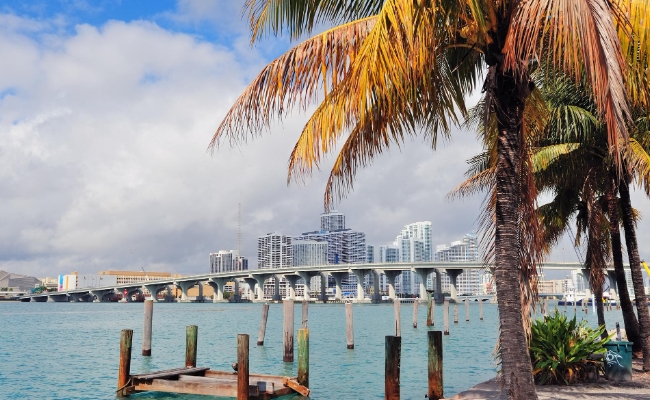
In comparison, Miami is a lively and mid-sized city. It is situated in the southeast side of Florida, covering an area of about 56 square miles. Compared to other cities in the US, it is one of the smallest cities.
As per the recent census, the Miami population was calculated to be nearly half a million residents. It shapes down with different cultural identities, making a strong cultural hub.
Climate In Miami Vs New York
New York residents experience rapid climate change, with summers being very hot and humid and winters being extremely cold. However, spring and autumn remain at a moderate climate with a pleasant atmosphere.
In winter, the temperature drops below freezing point and receives heavy snowfall. It also receives moderate rainfall annually. The temperature in the summer normally goes to 32 °C- 38 °C. While in winter, the temperature usually falls below 0 °C.
In contrast, Miami experiences a moderate climate throughout all four seasons, with frequent rainfall. In summer, the temperature ranges from 25 °C- 35 °C, which is considered moderate. However, it receives heavy rainfalls in summer and also experiences frequent thunderstorms. The winter also remains moderately cold with a temperature drop up to 16°C.
Public Transport & Infrastructure In Miami Vs New York
New York has the largest subway network in the US, which remains operational 24/7. The subway network has 472 stations connecting all the boroughs and ferries. The transportation system also has buses and a railway system to accommodate millions of people daily.
New York pays special attention to public places like parks, libraries, and public plazas. However, the buildings, bridges, and other public facilities are aging and require renovation for a positive impact. It is also working on new public structures by converting old streets and plazas into more pedestrian-friendly areas.
On the other hand, Miami has a limited transportation system due to its relatively small population. The transportation system included Metromover, Metrorail, and Metro buses, which carried thousands of people daily. The Metromover offers a free and automated service, while others are paid. The city is more dependent on private cars due to its complex layout.
In terms of infrastructure, Miami is focused on combating sea-level rise and flooding. It pays special attention to the building codes to minimize hurricane/flood damage. Moreover, with rapid population growth, it is working on new public facilities, such as parks and community centers.
Lifestyle In Miami Vs New York
New York' s lifestyle always remains at a fast pace, with busy streets day and night. The cultural landmarks, such as NYC Times Square, Broadway, and others, always remain congested with visitors all around. It has a competitive lifestyle as compared to other cities, but offers great opportunities for personal and professional development.
New York is also considered a global hub for finance, arts, and high tech. It opens great career opportunities and also serves diverse restaurants with cuisines from all around the globe.
In comparison, Miami has an outdoor living concept where people enjoy going to the beaches. It has famous beaches like South Beach and Miami Beach, where people enjoy surfing, boating, and playing other games. It also has a busy nightlife with popular music shows, arts, and cultural festivals. The lifestyle remains calm in Miami with a balanced environment.
Cost Of Living In Miami Vs New York
You might have heard that New York is one of the most expensive cities in the US. However, Miami has a slightly lower cost of living, but it is still higher compared to the national average.
Rent in Miami is expensive in downtown and near the beaches, but lower than in New York. New York is expensive in terms of renting, utilities, and daily living. Despite being expensive, the purchasing power of people is higher.
For instance, an apartment in Manhattan would rent for around $ 3,000-$ 3,500 per month. While a same-sized apartment would cost you around $2500-$2800 per month. Also, Miami has a lower cost of daily groceries and utilities.
Crime Rate In Miami Vs New York
According to recent reports, New York has reported an overall crime rate of 21.88 per thousand people. With this size and population, it is considered one of the safest cities in the US. It has seen a 3% reduction in the crime rate in 2024. Common crimes include murder, rape, robbery, aggravated assault, burglary, and grand larceny. Some of its boroughs are extremely safe, such as Staten Island and Queens.
While Miami has slightly elevated crime rates, it has an estimated crime rate of 29 crimes per 1000 people. The most common crimes are property crimes, such as theft and burglary. Violent crimes like assaults and robberies have also been reported. A few areas, like Downtown, have a higher crime rate but are generally safer.
Both cities are safe, but New York is safer due to its high patrolling and lower violent crime rates.
Safety Tips in New York and Miami
Staying alert and using basic precautions can significantly reduce risk in both cities. While awareness and smart behavior matter, combining them with modern security camera systems adds a strong layer of protection for both personal safety and property security.
Stay Aware of Your Surroundings
When you are out in public, remain attentive and avoid distractions such as looking at your phone for extended periods. Walk with confidence and try to stay in populated, active areas where visibility is high. Even in generally safe districts, opportunistic theft like pickpocketing can occur, so keeping valuables secured and out of sight is essential.
Prioritize Safe Routes and Transportation
At night, choose well-lit streets and avoid isolated or poorly trafficked areas whenever possible. Public transportation can be efficient, but late-night rides on empty subway cars or platforms should be avoided when possible. If driving, park in secure, well-lit locations and avoid leaving personal items visible inside your vehicle.
Keep Emergency Readiness in Check
Always ensure your phone is charged before heading out, and familiarize yourself with emergency contacts such as 911. Having quick access to communication can make a critical difference in unexpected situations. Planning your routes in advance also helps reduce unnecessary exposure to higher-risk areas.
Strengthen Home and Property Security with Cameras
Because property crime remains a concern in both New York and Miami, installing a reliable security camera system is one of the most effective preventive measures. A system like the Reolink OMVI 3i PoE provides powerful protection through Combined 18MP ultra-clear video resolution and a 360° coverage with triple lenses, helping eliminate blind spots around your property.
Combined with AI-powered motion detection and real-time alerts, it allows homeowners to respond instantly to suspicious activity and maintain continuous situational awareness.

All-in-one Triple-Lens 180° Panoramic Pan-Tilt Security Camera
10MP Dual-Lens 180° View, 4K 360° Full Coverage, SyncTrack with auto framing & auto tracking, Local Storage (No Monthly Fees), Local AI Video Search.
FAQS
1. Which is better, Miami or NYC?
When it comes to affordability, Miami would be much better than NYC. If you consider safety and career opportunities, NYC would be a much better option to excel in professional life.
2. Why do New Yorkers like Miami so much?
It is due to the calm environment with low public density. Another strong reason could be the beaches where visitors and residents enjoy all summer, with frequent rainfall.
3. Is Miami more expensive than New York for tourists?
No, Miami is more affordable than New York in terms of rents, utilities, and daily expenses. It would be a pocket-friendly option for the visitors.
Conclusion
Miami and New York are just like the North and the South. They exhibit a significant difference in terms of size, population, transportation, climate, and other factors. We have compared both in various factors and shared the data and statistics. It will help you select the right city for travel or stay.
Search
Subscribe for the Latest Updates
Security insights & offers right into your inbox