
What Is an IPX Rating? Understanding Waterproof Ratings
Electronic devices receive their waterproofing classification through IPX ratings. The IPX rating serves as an essential factor to evaluate before buying electronic devices that will encounter water exposure. This article provides information about IPX waterproof ratings, together with their levels and their relationship to IP ratings, while offering guidance on selecting appropriate waterproof ratings.
What is IPX Rating?
The IPX rating system defines electronic device water resistance through the "Ingress Protection X" classification. IPX serves as an indicator that the rating system avoids measuring dust and solid particles to focus exclusively on moisture resistance.
In IPX rating systems, you will see the IPX notation followed by numbers ranging from 0 to 9. The assigned numerical value shows the water resistance capacity of the device. A device rated IPX7 can withstand immersion in water for 30 minutes when placed one meter under water, although an IPX0 device does not provide any water resistance.
The water protection durability of devices increases with higher IPX rating values. Check for the best IPX-rated model within budget limits when purchasing electronics for moist or sweat-prone, or wet-use conditions.
IPX Rating Chart & Meaning
As you can see in the table, IPX8, being the highest IPX rating, offers the highest level of water protection in the IPX rating system. However, not all devices need such durable water resistance. Choosing the right level depends on the intended activity and water exposure.
Here is what each IPX rating level means:
IPX Ratings for Different Devices
Here are common IPX ratings you will encounter for various electronic devices:
Headphones and earbuds
The IPX4 or IPX7 ratings appearing on wireless headphones and earbuds enable them to endure working out while sweating as well as surviving accidental water submersion. The Beats Fit Pro IPX rating stands at IPX4, according to popular model availability.
Smart watches and fitness trackers
Being worn during exercise and in adverse conditions, smartwatches and fitness bands need decent water protection. Most sport IPX7 ratings allow temporary immersion for cleaning or swimming laps with the device on. The Apple Watch Series 8, for example, is IPX6-rated.
Wireless speakers and Bluetooth devices
Portable speakers, along with Bluetooth transmitters, maintain IPX5 or IPX7 standards, which means they are designed to endure rain and splashes in pool areas or during shower time. These devices protect from light water exposure but should not be counted on for submersion under water.
Outdoor security cameras
Security cameras located outdoors successfully bear IPX ratings starting from IPX5 or advancing to IPX6 because they need to resist external elements. Such equipment remains operational during heavy rains and sprinkler use, as well as snowstorms and all forms of adverse weather conditions.
When shopping for security cameras, you’ll notice that most models use IP ratings, not IPX ratings, to indicate their waterproofing. For example, many Reolink outdoor cameras are rated IP65 or higher.
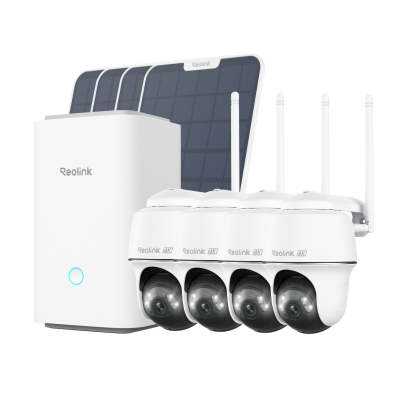
Wireless Security System With 4K PT Standalone Battery/Solar Wi-Fi Cameras
4K Color Footage Day & Night, 1 Year of Local Storage, Exclusive Anti-Theft Algorithms, 360° All-Around Coverage, Expandable System Up to 8 Reolink Cams.
Smart phones
While water and smartphones don't mix well, most modern iPhone IPX ratings carry at least an IPX7 or IPX8 rating for water protection. So you need not worry too much about getting your iPhone 15 wet in the rain because of the iPhone 15 IPX rating. Some specialty rugged phones offer the highest IPX8 rating for depth and water pressure resistance.
IP vs. IPX Rating: What's the Difference?
Another similar rating system you may encounter is the IP rating, which indicates protection levels against both dust and water. Unlike IPX, which only denotes water resistance, IP ratings specify two levels of ingress protection - one for solid particles like dust and dirt and one for liquids.
An IP rating contains two numbers - the first for dust protection on a scale from 0 to 6 and the second for water protection using the same 0 to 9 scale as IPX. For example, an IP68 rating offers complete protection against dust plus protection against continuous immersion in water.
It's easy to tell the systems apart - IPX only provides a water protection level, while IP provides both dust and water ratings. IPX ratings allow manufacturers to indicate a device's waterproof level without revealing how it handles solids. So, for electronics coming into contact with water, focus on the IPX rating to gauge how it will fare.
How to Choose the Right IPX Rating?
With so many IPX levels available, how do you select the right waterproof rating? Here are some recommendations based on activity:
- IPX0-2 - Protects against minor splashes and light rain. Suitable for indoor, dry environments.
- IPX3 - Safe in heavy rain and splashes. Good for casual outdoor use.
- IPX4 - Handles splashing water from all directions, like poolside splashing. It can withstand sweat and exposure to moisture over time.
- IPX5-6 - Withstands direct powerful water jets and heavy waves. It can handle most wet environments, including heavy storms and accidental submersion.
- IPX7 - Protects against immersion in 1 meter of water for 30 minutes. It allows intentional temporary submersion for cleaning dust and debris.
- IPX8 - Withstands continuous submersion over 1 meter and high water pressure. It is Suitable for deep diving with electronics and underwater photography.
IPX5 or IPX6 Rating? Which is Better?
The selection between IPX5 and IPX6-rated devices becomes easier when you understand their distinctions.
IPX5 rating protects devices from water jets with 6.3mm or larger nozzle openings that apply low pressure from any direction. IPX6-rated devices provide protection against powerful water sprays from hoses and fountains.
The IPX6 rating protects devices from high-pressure jets with limited nozzle size and a concentrated water stream. The rating provides complete protection against waves and powerful water blasts that are directed at the device.
While both handle water sprays and splashing, IPX6-rated devices can withstand more intense direct water exposure from stronger pressure and smaller openings - similar to ocean waves crashing over them.
FAQs
What does IPX5 waterproof mean?
IPX5 means a device can withstand low-pressure water jets sprayed from any direction with adequate protection. It handles splashes near pools and showers, along with moderate-heavy rain without issue. IPX5 strikes a good balance for water protection at a reasonable cost.
What IPX rating is waterproof?
Technically, no electronic device is 100% waterproof, only water resistant to varying degrees. However, IPX7 and IPX8 devices can handle complete water submersion for a period, making them effectively waterproof to an extent. Check the duration and depth specifics for your model’s maximum water protection capability.
Is IPX8 better than IP68?
Both IPX8 and IP68 provide excellent and maximal ingress protection ratings. The X vs 68 does not indicate one as better than the other. They simply denote protection against water (IPX8) or against both dust and water (IP68). IPX8 means very high level protection, specifically against continuous water immersion.
Conclusion
Standardized water and moisture resistance assessments of products are possible through IPX ratings. The IPX8 rating represents the highest level of protection against water immersion, while lower numbers provide less resistance. Select electronics for wet environments by matching their IPX rating to the anticipated water exposure during intended activities.
When purchasing phones and headphones, which IPX rating do you consider important? Let us know in the comments!
Search
Subscribe for the Latest Updates
Security insights & offers right into your inbox