
How to Soundproof a Door – DIY Soundproofing Tips
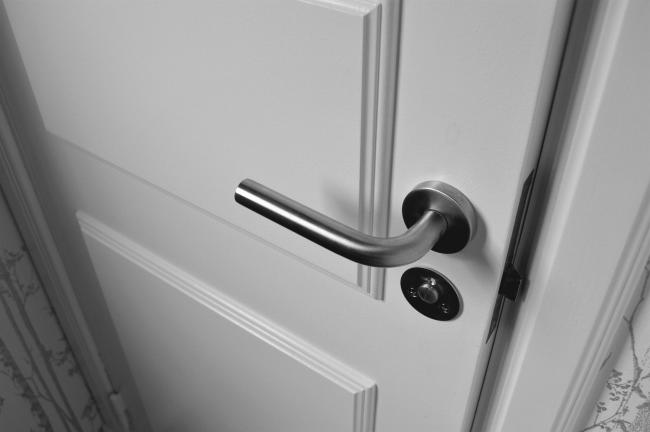
The quickest means of reducing the noise level in a room to a quiet one is by learning how to soundproof a door. Door Soundproofing is much cheaper than reconstruction and cleanup, and most repairs are quicker than an afternoon.
The guide will take you through all the typical door types, the materials that work, and the specific steps required so that you can complete the project without having to devote additional time to purchasing specific tools.
Does Soundproofing a Door Really Work?
Yes. An airtight solid door and a plain weather strip reduce exterior noise by 30 or 40 percent. Very high sounds will still be heard; however, normal speech, television, and traffic will be reduced to a low murmur.
The trick here is to seal all the air passages and to install weight or cushioning material that absorbs the sound energy. There is no single product that completely silences the noise, but a combination of small fixes can result in an apparent decrease in volume.
How to Soundproof a Door?
Before choosing a technique, check the door and frame. The following five methods may be combined, and thus select the ones that fit your budget and expertise, and discover how to make a door soundproof.
Seal the Perimeter with High-Density Weather-Strip
Take off the streaked head of old. Wash the jambs using mild soap and leave to dry. Make a cut to every side and top of a closed-cell foam or silicone bulb strip to the length required. Plug the strip into the slot or staple the strip in such a way that when the door closes, the bulb is lined up with the door. Close the door and examine the tight contact. This step alone prevents the high-pitched noise that is mostly transmitted through the thin air gaps.
Add a Door Sweep along the Bottom Edge
Sound escapes the door more quickly than it gets through any other orifice. Your door is measured in terms of width, and then you purchase a heavy rubber sweep that screws into the face, and not the stick-on variety. Mark the 8-inch spacing holes, drill and screw them. Change the sweep till the rubber tongue is just touching the floor. The seal prevents sound, dust, and drafts simultaneously.
Layer Mass Loaded Vinyl on the Door Face
Vinyl loaded with mass produces dense and pliable weight to prevent sound wave propagation. Make a piece of paper 1 inch smaller than the door on every side. Apply a small amount of contact glue on the door and the vinyl, and wait till they become tacky, and apply the sheet up to the bottom. Use a kitchen rolling pin to roll the dough and eliminate bubbles. Apply cloth to the vinyl to get a complete appearance. A single sheet will weigh approximately 8 pounds and will reduce noise by 5 to 7 decibels.
Cover the Door with Thick Moving Blankets
Moving blankets are cheap and easy to install. Take two blankets and hang them in a manner that they cover the frame with 2 inches on all four sides. Apply a staple gun on top of the door and then add hook and loop on the sides so that you are able to open the door. The quilted material absorbs the middle range sounds, like voices and television. The mass-loaded vinyl is concealed beneath the blanket as well, in the event you took that step as well.
Build a Removable Sound Panel for the Back of the Door
Cut a plywood sheet of 1/2 inch, which is equal to the size of the door. Pin the panel to one side with glue and 2-inch-thick material of mineral wool or recycled denim insulation, and then wrap the panel with breathable material. Attach 2 D-rings to the top edge and attach the panel by heavy-duty hooks that screw into the face of the door. The panel provides mass and absorption, and it can be removed during movement.
How to Soundproof a Bedroom Door?
The doors to your bedroom are normally hollow and light, and therefore, require additional mass along with soft surfaces to ensure you do not hear hallway noise in your place of sleep. The sealing process remains the same, but you may introduce a few bedroom appeal additions that look good and can be put to use at night.
Replace Hollow Core with Solid Core Door
A solid core door has approximately 60 pounds, as opposed to 25 pounds for a hollow one. Take the old hinges apart, detach the door, and install the new solid door. Follow the position of the old hinges as a guide and cut shallow mortises, and attach the new door. The exchange has a duration of one hour and provides the largest single noise drop.
Line the Inside Face with Acoustic Foam Tiles
Acoustic foam is light, cheap, and safe in bedrooms. Stick the upper two-thirds of the door with spray adhesive. The pyramid or wedge shape disperses and absorbs the echoes, and thus the voices in the hall sound dampened. Use charcoal or dark blue foam to make the look calm and leave a 1-inch border so that the foam does not scratch the jamb.
Hang a Thick Drape over the Door
Install a ceiling-mounted curtain track 6 inches above the frame and 8 inches wider on each side. Pick a velvet or blackout drape that reaches the floor. Close the curtain at night to add one more soft layer. The drape also blocks morning light, giving you both noise and light control. Besides reducing noise, if you’re also concerned about your door’s security, consider installing a doorbell camera to monitor it live anytime, anywhere.

Smart 5MP Video Doorbell with Chime
5MP Super HD Day & Night, Person Detection, 2.4/5 GHz Dual-Band WiFi, 180° Diagonal Viewing Angle, Two-Way Audio, Rich Notification.
How to Soundproof a Hollow Door?
Hollow doors have a thin veneer skin and a cardboard honeycomb inside. You cannot make them heavy, yet you can fill the air spaces and add surface layers to cut the drum effect.
Drill and Fill with Expanding Foam
Drill two ⅜-inch holes at the top edge and two at the bottom edge. Spray low-expansion window-and-door foam into each hole in short bursts. Stop when foam starts to back out. Let the foam cure for four hours, then slice off the overflow with a knife. The cured foam stops the door from ringing like a box and adds slight mass without warping the skin.
Glue ¼-Inch MDF to Each Face
Cut medium-density fiberboard ½ inch smaller than the door on all sides. Spread construction adhesive in a zig-zag pattern, press the board, and shoot a few brad nails to hold it while the glue sets. Repeat on the hall side. Paint the MDF to match the wall. Two sheets add 12 pounds and give the hollow door the feel of a solid one.
Add a Quilted Fiberboard Panel
For a softer look, wrap the MDF in quilted fabric before you glue it. The fabric traps sound and gives the door a padded headboard look that fits bedrooms or studios.
How to Soundproof a Garage Door?
Garage doors move, so you need light, flexible materials that will not jam the tracks or overload the springs. Work panel by panel and keep every layer within the frame rails.
Insert Foam Board between the Rails
Buy 1-inch-thick polyisocyanurate foam board from a home center. Measure each panel, score the foam with a utility knife, and snap it to size. Push the board into the cavity so it rests against the inside face of the metal. The foam adds R-value and blocks some sound without adding much weight.
Seal the Top and Side Gaps with Vinyl Gasket
Garage doors close against trim that often leaves a ¼-inch gap. Nail a vinyl garage-door gasket to the top and side trim so the bulb presses against the door when it shuts. The seal stops wind and street noise from slipping around the edges.
Hang a Heavy Curtain just inside the Opening
Install a beam or lag-eye bolts across the ceiling 6 inches behind the door track. Slide a canvas or PVC tarp with grommets onto a pipe and hang it from chains. Lower the curtain when you work in the garage to muffle down echo and block outside noise. Roll it up when you drive in.
Tips for Maximum Noise Reduction from Outside
Even the best door leaves weak points. Use the list below to know how to soundproof a door from outside noise.
- Frame it to the wall: Apply a bead of acoustical sealant between the interior trim and the drywall. This seals the secret crack which runs about the coarse hole.
- Add a second door: In the event that there is room, you can add a lightweight interior door 6 inches ahead of the main door. The doors are separated by the air that serves as a buffer to sound.
- Grow thick shrubs: Thick green bushes on the exterior of the house scatter sound before it hits the door on the outside.
- Install a solid threshold: Use a solid oak or PVC threshold, screwed to the floor. The hard seal prevents sound and drafts.
- Install a mailbox flap: In the event that your mail slot opens into the door, line the flap with 1/8 -inch neoprene to close securely and without rattling.
FAQs
How to block out sound from the next door?
Seal the shared wall outlets, add a door sweep, and place a thick rug against the adjoining wall. These three steps cut most everyday noise.
How to soundproof an apartment entrance door?
Use a removable weather-strip, a door sweep, and a heavy curtain on a tension rod. All items come off when you move out, so the landlord keeps the deposit.
What are the best noise reduction doors?
Solid core wood, steel with polyurethane core, and laminated glass doors give the highest ratings. Look for an STC of 35 or higher on the label.
Conclusion
You should now have an understanding of how to soundproof a door in all the most ordinary instances, a hollow core bedroom door to a garage rolling door. Begin by closing all the gaps, and then progressively add the mass or soft layers till the sound is reduced to a tolerable level of noise.
One step will lead to another, and you can rest when the room is sufficiently quiet. Test these solutions, combine approaches, and report your experience so that other people will know what was most effective in your house.
Search
Subscribe for the Latest Updates
Security insights & offers right into your inbox