
Garage Door Opens by Itself in Middle of Night? Causes & Fixes
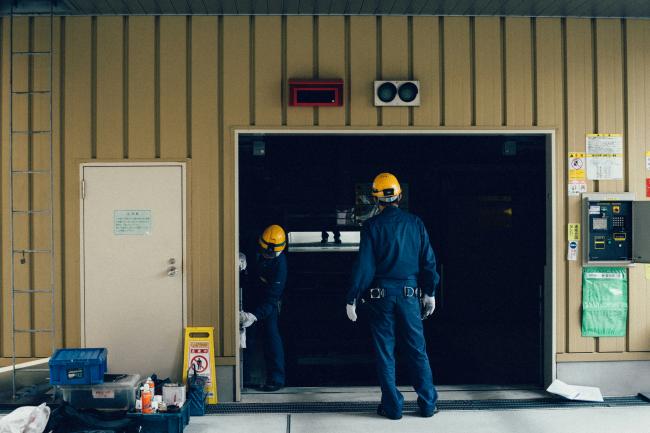
Your garage door should rest in place once you close it for the evening. When the garage door opens by itself in middle of night, the noise and security risk can wake every person in the house. The problem also leaves your tools and vehicle on display. This guide explains why a garage door opens randomly at night, how you can track the fault, and the steps that fix it.
Can a Garage Door Open By Itself?
Yes, an automatic garage door can move without anyone touching the wall switch or remote. Modern openers rely on sensors, radio signals, control boards, and limit switches. A defect in any of these parts can start the motor when no one intends it. Electricity spikes, radio interference, or a frozen switch can also send a false command that lifts the door. In many situations, the fault hides in a single circuit or accessory. You can find it with a steady process and the right tools.
Why Garage Door Opens by Itself in Middle of Night?
Night brings lower temperatures and less radio traffic, yet many doors decide to move during these quiet hours. Before we list each root cause, remember that different opener brands share the same core design, so a fault on a LiftMaster unit can appear on a Genie unit as well.
Stuck or Shorted Wall Button
The wall console controls the opener with low-voltage wires. If dust, moisture, or a loose screw bridges the two control terminals, the board reads a constant “open” signal and starts the motor. The same result happens when the button face sticks in the pressed position.
Faulty Remote Control
A worn remote can emit a steady carrier signal. The opener hears the code as an order to open and responds. Corroded batteries and cracked solder joints top the list of remote faults that create ghost commands.
Radio Interference from Nearby Devices
LED bulbs, baby monitors, and amateur radios can share the same frequency range as the garage opener. When the carrier on that channel grows strong enough, the opener may pick the signal as its own and cycle the door.
Misadjusted Limit Switch
Travel limits tell the motor when to stop. If someone bumps the dial, the opener may think the door still hangs partly open and run again to reach a false stop point. This cycle can repeat through the night.
Power Surge or Brownout
A surge boards the power line when lightning strikes or heavy equipment cycles. The transient voltage confuses the logic board, which can pulse the motor relay at random times hours later. A brownout can have the same effect because the board resets when the voltage dips below the safe range.
Sensor Misalignment or Obstruction
Most openers refuse to close if something blocks the safety sensors. Owners sometimes hold the wall button to force the door shut. This override bypasses the logic check, but the opener still wants to finish a clean cycle. Hours later, it may run the door up to clear the phantom block.
Aging Wiring Insulation
Wires that feed the wall console and safety sensors often run along unfinished studs. Heat, cold, and rodents can chew or crack the thin coating. When two bare copper spots touch, the opener sees a momentary short that mirrors a button press. The shorts can clear on their own, so you never find a scorched mark, but the door still climbs. Nighttime humidity can worsen the leak and explain why the ghost cycle only shows after dark.
How to Diagnose Why Your Garage Door Opens by Itself at Night?
Rushing to replace parts leads to wasted cash. A short test list will reveal the real fault.
- Unplug the opener at bedtime and note if the door moves. If the problem stops, you know the fault lives in the opener circuit, not the springs or tracks.
- Check the wall console wires. Remove the common and command leads from the opener. Run one night with them loose. If the door stays closed, the wire run or button is the cause.
- Pull the remote batteries. Store all vehicle clip-ons and visor remotes in a metal box for one night. If the door stays closed, swap the suspect remote.
- Inspect the safety sensors. Clean the lenses and align the beams with a level. Tighten loose brackets to stop vibration drift.
- Monitor line voltage. A plug-in surge meter shows spikes. If you see large jumps, add a surge protector or call an electrician.
- Reset and reprogram codes. Clear all remote memory on the opener, then add back your own remotes. This step blocks unknown transmitters that may have cloned your code.
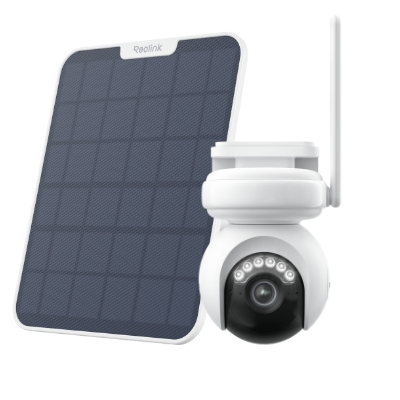
Industry-leading 4K Continuous Recording Battery Camera
4K UHD Continuous Recording; ColorX Night Vision; Pan & Tilt; Automatic Tracking; All Recordings Stored Locally.
How to Fix Garage Door Opening By Itself?
Once you locate the trigger, apply the right repair. Follow the steps below in order for you to fix your garage door opening.
Replace or Clean the Wall Button
Take down the console, brush dust off the circuit, and tighten the wire screws. If the plastic button still sticks, fit a new wall unit that suits your opener brand.
Swap the Faulty Remote
Purchase an official replacement or a listed universal remote. Program it with rolling-code steps from the owner's manual. Recycle the old remote, so no one can reuse it.
Add a Surge Protector
Install a single-outlet surge cube between the opener cord and the ceiling outlet. A surge strip rated for appliance loads also works. This step shields the logic board from future spikes.
Adjust the Travel Limits
Find the up and down travel screws on the opener chassis. Turn them into small steps while you run test cycles. Stop when the door seal just meets the floor, and the header bracket sits one inch below the opener rail.
Change the Opener Frequency
Some modern openers let you shift from 315 MHz to 390 MHz. Follow the maker’s steps to flip the jumper or dip switch. Re-pair every remote after you change bands.
Tighten Sensor Brackets and Replace Bad Units
Use metal shims to line the beams. If the sensor lights still flicker, order a matched pair and splice them in with gel-filled wire nuts.
Replace Damaged Low-Voltage Wiring
Trace each control wire from the opener to its switch or sensor. Look for brittle spots or chew marks. Run fresh 22-gauge paired wire along a new route and staple it every foot. Good insulation stops stray shorts and ends many late-night openings.
How Garage Cameras Prevent Random Door Openings?
A camera aimed at the door gives more than video. It lets you see the cause the next time the garage door opens by itself at night.
- Real-time alerts: A Wi-Fi camera sends a push notice to your phone the instant the door starts to rise. You can act before a thief gets inside.
- Event playback: Motion clips show if a person, animal, or motor glitch caused the opening. This record guides your repair plan.
- Deterrent light and sound: Many cameras flash a light or emit a siren when they detect motion. The blast often scares away a prowler who hopes for easy entry.
- Two-way talk: You can speak through the camera to warn anyone in the garage that the police are on the way. Clear speech often ends a break-in attempt.
- Custom schedules: Many apps let you arm the camera and lock smart openers during your sleep hours. Any request from an unknown source gets blocked until the schedule lifts.
Reolink Spring Sale - Step Into Spring, Step Into Security!
Reolink Spring Sale is here! Grab top deals on security cameras, doorbells, and systems to keep your home safe this season.
FAQs
How do I stop my garage door from opening by itself?
First, disconnect remotes and wall wires one at a time to isolate the faulty circuit. Clean and align the safety sensors. Fit a surge protector, replace old remotes, tighten all wires, and reset codes. Keep a camera on the door to confirm the repair.
What does it mean when the door opens by itself?
The opener reads a signal that seems valid even though no one pressed a button. The cause can be a stuck switch, a stray radio pulse, a surge-damaged board, or mis-set limits. Each fault sends the same command: open the door.
Can someone else open my garage door?
Yes. A neighbor’s remote on the same fixed code, a thief with a code-grabbing device, or a mobile app tied to your account can all trigger the door. Rolling-code remotes, locked wall consoles, and strong Wi-Fi passwords block most of these attacks.
Conclusion
When a garage door opens by itself in the middle of the night, it points to a clear mechanical or electrical fault. You can trace the trigger by unplugging parts, watching a camera, and testing one link at a time. Replace stuck buttons, swap bad remotes, align sensors, protect the circuit, and set fresh codes.
A steady method ends random openings, keeps your tools safe, and helps you sleep. Share your own fix tips in the comment section and help others who battle a garage door that opens randomly at night.
Search
Subscribe for the Latest Updates
Security insights & offers right into your inbox