
Why Fire Alarm Goes Off Randomly? Common Reasons
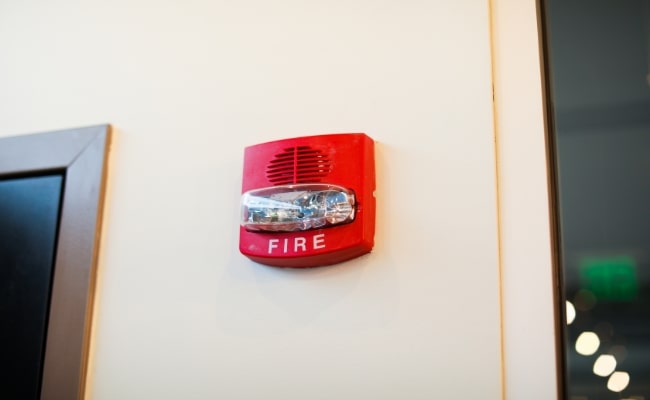
Fire alarms going off unexpectedly can be alarming and frustrating. A blaring alarm waking you up in the middle of the night for no apparent reason is the last thing anyone wants to deal with. However, there are some common reasons why smoke alarms may activate randomly, and steps you can take to prevent false alarms.
This article will examine why fire alarm going off for no reason, troubleshoot the potential causes, and provide tips on how to solve the issue.
How Do Smoke Alarms Work And Why They Misbehave?
Smoke alarms don't actually "smell" smoke; they look for disrupted physical environments inside a small sensing chamber. Depending on the model, they use one of two primary methods to detect a fire:
1. Ionization Alarms (Best for Fast-Flaming Fires)
These models use a microscopic amount of a radioactive element called americium-241 to create a continuous electrical current.
-
How it works: The radiation splits air molecules into positive and negative ions, creating a stable, steady electrical current inside the chamber.
-
Trigger: When smoke enters, the heavy smoke particles bind to the ions and disrupt the electrical current. The moment the current drops below a specific threshold, the alarm triggers.
-
Why it misbehaves: Because these chambers are incredibly sensitive, dust, heavy humidity, or steam can easily mimic smoke particles, blocking the current and causing a random false alarm.
2. Photoelectric Alarms (Best for Smoldering Fires)
Many modern alarms use light sensors instead of radiation.
-
How it works: A tiny light beam (LED) aims straight across the chamber, intentionally missing a built-in light sensor.
-
Trigger: When smoke enters, the particles scatter the light beam, reflecting it directly onto the sensor. Once light hits the sensor, the alarm sounds.
-
Why it misbehaves: Small insects or reflective dust particles crawling into the chamber can scatter the light beam, tricking the alarm into thinking there is a fire.
How You Are Alerted
Once either sensor is tripped, it completes a circuit that powers the alarm's outputs:
- A piercing, high-decibel piezoceramic horn designed to wake sleeping occupants.
- High-intensity flashing lights included in many models to alert individuals with hearing impairments.
Why Fire Alarm Goes Off Randomly? Common Reasons
When a smoke detector sounds without a fire, it isn’t necessarily broken—it is usually doing its job too well. The sensors inside are highly sensitive to physical disruptions. Here is what may trigger them randomly.
1. Environmental Interference (Steam, Humidity, & Temperature)
High humidity, heavy steam from a hot shower, or boiling water can condense inside the alarm's sensing chamber. For ionization alarms, these water droplets mimic smoke particles, which is why alarms near bathrooms frequently go off randomly at night when temperatures drop and relative humidity rises.
2. Cooking Fumes and Burnt Food
You don't need a raging fire to trip an alarm; invisible byproducts of combustion (like aerosolized grease from a frying pan or a smoky oven) will quickly set off ionization detectors.
3. Dust, Dirt, and Debris
Over time, airborne dust settles inside the detection chamber. It reflects the light in photoelectric alarms or blocks the current in ionization alarms, making the unit hypersensitive.
4. Bugs and Insects
Tiny insects (like thrips or spiders) love the dark, warm interior of a smoke alarm. If a bug crawls directly in front of the sensor, it immediately triggers a false alarm.
5. Drifting Outdoor Smoke
Open windows can carry smoke from fireplaces, backyard grills, chimneys, or nearby wildfires directly to your indoor detectors.
6. Low or Failing Batteries
A low battery usually causes a single, annoying "chirp" every minute. However, if the voltage drops below a critical threshold abruptly, it can cause the internal processor to malfunction, triggering a full, continuous alarm.
7. Electrical or Wiring Issues (Hardwired Alarms Only)
Hardwired smoke detectors are interconnected on a dedicated household circuit; if one triggers, they all trigger.
A loose wire nut, a corroded connection, or a sudden power surge on the circuit can momentarily break the communication line between devices. The alarms interpret this sudden drop in signal voltage as an active fire signal from another unit, causing the entire system to sound simultaneously.
8. Chemical Fumes and Volatile Organic Compounds (VOCs)
Many household chemicals release heavy, dense molecules into the air that linger long after the smell dissipates.
Wet paint, strong chemical cleaners, ammonia, and harsh cosmetic sprays (like hairspray or aerosol deodorants) carry airborne chemical particles. Because these particles are physically dense, they can settle inside the sensing chamber, scattering light beams or disrupting ionization currents exactly like physical smoke.
9. Device Expiration and Component Degradation
Smoke alarms have a strict 10-year lifespan due to the natural degradation of their internal sensors.
As the components age, the radioactive material in ionization alarms decays past its useful limit, and the LEDs in photoelectric alarms lose their brightness. When the internal processor realizes it can no longer maintain a stable reference reading from the degraded sensor, it defaults to a continuous alarm state to warn you that the device is no longer safe.
How to Stop False Alarms Immediately?
1. Verify the threat
Quickly check the immediate area for actual fire, smelling for smoke and checking appliances. If there is no real emergency, proceed to silence it.
2. Locate the initiating device
Look at the LED lights on your detectors. On hardwired systems where all units are screaming, the initiating unit will have a rapidly flashing red light, while the others will stay green or flash differently.
3. Press the Hush/Silence button
Press and hold the Silence or Hush button on the face of the initiating alarm. This will desensitize the sensor for 8 to 10 minutes, giving you a quiet window to clear the air.
4. Cut power or remove batteries if it won't stop
If the hush button fails and it keeps screaming, twist the unit counter-clockwise to remove it from the ceiling. For battery units, pop the battery out. For hardwired units, unclip the wire wiring harness from the back.
Note: If the whole system is still triggering, flip the dedicated breaker labeled "Smoke Alarms" on your electrical panel.
How to Fix If Fire Alarm Goes Off Randomly?
When a false alarm strikes, use this targeted troubleshooting checklist to silence the noise and prevent it from happening again.
1. Clear Environmental Moisture (Steam & Humidity)
-
Turn on bathroom exhaust fans, open windows away from the detector, or run a dehumidifier to lower the relative humidity.
-
Ensure all smoke detectors are installed at least 10 feet (3 meters) away from high-moisture areas like bathrooms and laundry rooms to prevent nighttime temperature drops from triggering condensation.
2. Clear Cooking Fumes and Prevent Grease Buildup
-
Fan the air beneath the detector with a towel or newspaper to clear out invisible combustion particles. Do not disable the alarm.
-
Always use your kitchen’s range hood exhaust fan while cooking. If a detector sits just outside the kitchen, replace it with a photoelectric model, which is significantly less sensitive to routine cooking vapors than an ionization model.
3. Vacuum Away Dust, Dirt, and Debris
-
Detach the alarm from its mounting bracket.
-
Use the soft brush attachment of a vacuum cleaner to gently clear out the exterior vents and the internal sensing chamber. Alternatively, use a can of compressed air to blow out trapped dust and drywall particles. Repeat this maintenance once every six months.
4. Remove and Prevent Bug Infestations
-
Take the unit down and check the internal chamber for small insects, spiderwebs, or fruit flies. Clear them out with compressed air or a vacuum.
-
Wipe the ceiling around the detector and the outer casing of the alarm with a mild insect repellent or essential oils (like peppermint). Never spray liquid bug spray directly into the sensing holes.
5. Mitigate Drifting Outdoor Smoke
-
Immediately close all windows, patio doors, and fresh-air intake vents if outdoor smoke (from wildfires, neighbors' chimneys, or barbecues) is drifting inside.
-
Run an indoor air purifier equipped with a True HEPA and activated carbon filter to quickly trap fine outdoor particulate matter before it accumulates in the detector's sensors.
6. Swap Out Low or Failing Batteries
-
If the alarm is chirping or sounding continuously due to a voltage drop, replace the battery immediately with a brand-new, high-quality alkaline or lithium battery.
-
Change standard 9V batteries every 6 months (e.g., when daylight saving time changes), or upgrade entirely to a sealed 10-year lithium battery unit to eliminate battery maintenance.
7. Troubleshoot Electrical or Wiring Issues
-
If your hardwired alarms are all sounding simultaneously, turn off the dedicated breaker on your home's electrical panel to silence them safely while you investigate.
-
Have an electrician check the interconnect wire (usually the red or orange wire) behind the mounting bracket for loose wire nuts, frayed copper, or corrosion. Consider installing a whole-house surge protector to prevent power spikes from tripping the data line.
8. Vent Chemical Fumes and VOCs
-
Move freshly painted items, wet construction materials, or strong cleaning chemicals away from the alarm. Open windows to create cross-ventilation.
-
When using heavy aerosol sprays, deep-cleaning products, or painting nearby walls, temporarily cover the smoke detector with a plastic cap or painter's tape—just remember to remove the cover as soon as the fumes dissipate.
9. Replace Expired and Degraded Devices
-
Look at the manufacturing date stamped on the back of the device. If the date is 10 years ago or older, the internal components have degraded and cannot be repaired.
-
Replace the entire smoke detector unit immediately with a new model. Modern dual-sensor (ionization + photoelectric) units or smart alarms provide much higher accuracy against false triggers.
When Random False Alarms Are a Real Problem?
While an occasional false alarm from burnt toast is just an annoyance, frequent or unprovoked false alarms present genuine dangers that go far beyond a loud noise.
Here is why ignoring or improperly managing random false alarms can turn into a serious safety hazard.
1. Alarm Fatigue and Delayed Reaction Times
The psychological phenomenon of alarm fatigue is the biggest risk of frequent false alarms. When an alarm goes off randomly multiple times a week or month, the human brain begins to categorize the sound as a nuisance rather than a life-threatening emergency.
If a real fire breaks out in the middle of the night, occupants are likely to hesitate, assume it is another glitch, or completely ignore the warning. In a modern residential fire, synthetic materials cause fires to spread exponentially faster than they did decades ago, meaning a delay of even 60 seconds can be fatal.
2. Left Disarmed and Vulnerable
When a fire alarm screams randomly and refuses to stop, many frustrated homeowners resort to extreme measures to get immediate peace and quiet.
People frequently rip the smoke detectors off the ceiling, pull out the batteries, or leave hardwired units disconnected from the harness. It is incredibly easy to forget to reinstall the battery or reattach the device the next day. This leaves the entire household completely unprotected without a functioning early-warning system.
3. Fines and Strained Emergency Resources
Many modern homes have smart smoke detectors or security systems that are tied directly to professional monitoring centers.
If an unprovoked false alarm triggers while you are away from home, the monitoring company will automatically dispatch the local fire department. Repeatedly sending emergency vehicles and first responders to a non-emergency address strains city resources, pulls fire trucks away from real emergencies, and usually results in heavy false alarm fines levied against the homeowner by the municipality.
4. Sleep Deprivation and Chronic Anxiety
Because relative humidity spikes and ambient temperatures drop between 2:00 AM and 6:00 AM, false alarms mathematically cluster during sleeping hours.
Consistent, piercing 85-decibel alarms cutting through the silence of a home at night induce a massive spike in cortisol (the stress hormone). Over time, this creates chronic sleep anxiety, particularly for children and pets, who may develop a lasting fear of the home or the sound of the alarm itself.
How Security Cameras Solve the False Alarm Problem?
When your fire alarm goes off randomly while you are at work or away on vacation, it triggers an immediate wave of panic. Is your house actually burning down, or is it just a rogue spider crawling across the sensor?
Integrating indoor security cameras into your home safety strategy bridges this information gap in two major ways.
1. Visual Verification
If you have smart, interconnected smoke detectors, a random false alarm will send an alert straight to your phone or monitoring service. Without a visual inside the home, you are forced to make a blind choice: ignore it and risk losing your home, or call 911 and risk a hefty municipal fine for a false fire department dispatch.
Placing indoor security cameras, lke the Reolink E1 Pro, in central zones allows you to immediately open a live video feed the second a smoke alarm alert hits your phone. You can instantly check the rooms for visible smoke, flames, or panicked pets, confirming whether you need to rush home or simply silence a malfunctioning unit remotely.
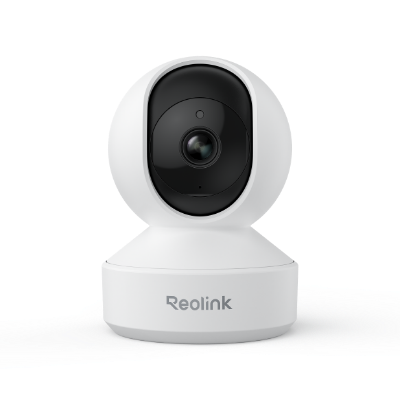
Smart 5MP Wi-Fi PT Indoor Security Camera
Crying Detection for Baby Monitoring; Smart Detection & Auto Tracking; 360° Coverage with Pan & Tilt; 5MP Super HD.
2. Insects May Fool Both Sensors
Interestingly, fire alarms and traditional security cameras share the exact same technical flaw when it comes to false triggers: insects.
Just as a tiny thrips or spider crawling inside a smoke alarm's dark chamber blocks the light beam and triggers a siren, bugs crawling across a standard security camera lens reflect infrared light at night. Traditional motion sensors mistake this close-up movement for a large intruder, flooding your phone with false security alerts.
FAQs
Why did my fire alarm randomly go off in the middle of the night?
This is likely due to one of the common causes like low battery, dirt buildup, humidity, or insects interfering with the sensor. Test the alarm and clean it thoroughly to try and resolve the issue. Make sure batteries are fresh and secure. Relocating it away from bathrooms or kitchens can also help.
What to do if fire alarm goes off but no fire at night?
If your fire alarm goes off at night but there's no fire, first check for smoke, unusual heat, or burning smells. If everything appears safe, the alarm may have been triggered by a low battery, dust, humidity, insects, or a faulty sensor. Replace the battery, clean the detector, and test it. If the problem continues, consider replacing the alarm.
What beeps 3 times in a house but no smoke?
Three beeps from a smoke alarm often indicate that the detector has sensed smoke or particles, even if no smoke is visible. Dust, steam, insects, sensor issues, or an interconnected alarm elsewhere in the house can also trigger the warning. Check all alarms, clean the detector, and refer to the manufacturer's manual since beep patterns vary by model.
Conclusion
Having your fire alarm sound when there is no fire can be both scary and frustrating. However, in most cases it points to a maintenance issue like dirt, dead battery, or sensor malfunction. With some troubleshooting and preventative care, you can stop the nuisance alarms and restore peace of mind.
Test alarms monthly, replace batteries annually, clean with compressed air, and relocate if needed. Investing a little time reduces the chances of being jolted awake to a false alarm. Let us know if you have any other tips for preventing smoke detectors from randomly going off!
Search
Subscribe for the Latest Updates
Security insights & offers right into your inbox