
FedEx vs UPS: Which Is Better for Shipping in 2026?
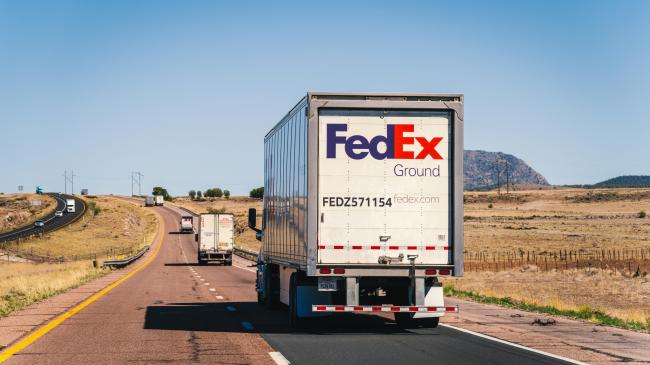
Moving boxes, papers, or products still sits at the heart of trade. Two names dominate talk about small-package delivery in the United States: FedEx and UPS. Every year, shippers type “FedEx vs UPS” into a search bar and try to pick the right truck or plane for their goods.
Rates keep shifting, service menus keep growing, and 2026 brings fresh questions. This guide walks through the key facts, lines UPS or FedEx side by side, and helps you choose a carrier that matches your budget and your schedule.
FedEx vs UPS: What’s the Difference?
Time to move from broad talk to clear points. UPS or FedEx may look alike; each firm flies planes, sorts parcels, and drives brown or purple vehicles, but the two companies do not mirror each other. At a high level, FedEx is built around fast air-express delivery, while UPS is strongest in ground shipping and logistical efficiency.
Network Focus
FedEx built its name on an air-first model. Its large jet fleet links hubs overnight, then regional vans finish the last miles.
UPS grew from the ground roots. Trucks roll in dense city grids and suburban routes; jets support the highest-speed lanes.
Pickup Times
FedEx often schedules late pickups for overnight air parcels in key business zones.
UPS tends to collect ground parcels earlier, yet places many drop boxes in retail spots for after-hours labels.
Saturday Reach
FedEx offers Saturday delivery on Express and Home routes without an extra fee for many ZIP codes.
UPS adds Saturday ground to more markets each year, but still charges in some cases.
Technology
FedEx uses the “Delivery Manager” suite, which lets end buyers choose a hold-at-location option or redirect to Walgreens stores.
UPS runs “My Choice,” an app that sends live alerts and allows in-flight changes such as a leave-at-door option or upgrade to a sure-hand off.
Heavyweight Freight
FedEx Freight and FedEx Custom Critical handle pallets, cold chain, and same-day medical moves. UPS Supply Chain Solutions folds freight, reverse logistics, and trade brokerage into one umbrella.

Reolink Easter Deals 2026 - Smash Eggs & Unlock Exclusive Prizes!
Reolink Easter Deals are here! Grab top deals on security cameras, doorbells, and systems to keep your home safe this Easter.
UPS vs FedEx: Comparison Table
A quick glance helps busy teams judge differences. Numbers may shift by quarter, but the table gives a clear snapshot as of January 2026.
Is FedEx or UPS Better?
A claim that one carrier always wins would be misleading. Each firm shines in some lanes and lags in others. Read the lists below and weigh the pieces that fit your own shipping plan.
FedEx: Pros and Cons
Pros:
- Fastest overnight reach to many mid-tier cities
- Later drop times in tech and medical corridors
- Broad network of hold-for-pickup sites (Walgreens, FedEx Office)
- Clear flat-rate boxes for small e-commerce goods
- Strong cold-chain and same-day options
Cons:
- Fuel and residential fees trend higher year on year
- Money-back promise often paused during the holiday rush
- Third-party insurance partners charge more for claims over $1000
- Some rural ZIPs still pass to USPS for the final mile, adding a day
UPS: Pros and Cons
Pros:
- Dense ground network cuts transit time on short-haul moves
- Saturday, ground reaches 90 percent of the US population
- Fewer handoffs to USPS, so fewer “delivery exceptions”
- Volume-based discounts unlock at lower weekly spend
- Forward stock and returns centers ease e-commerce loops
Cons:
- Earlier daily cutoff in many suburbs hurts late shippers
- Dim-weight divisor lower since 2024, raising cost on large light boxes
- The surcharge table is longer and harder to model
- App lacks free photo-on-delivery unless you upgrade plan
FedEx vs UPS: Which to Choose?
Pick a carrier the same way you pick a shipping box: match size, weight, value, and time limits. The checkpoints below assist in that choice.
- Speed first: Choose FedEx for coast-to-coast next-morning targets or time-definite 8:00 AM commitments.
- Short-haul ground: Choose UPS when most of your buyers live within 600 miles and transit can finish in one to two days.
- Late warehouse shift: Choose FedEx if your staff prints labels after dinner.
- Return volume: Choose UPS when your store sees steady returns; its one-tap QR code at The UPS Store cuts label work.
- Large but light goods: Choose FedEx since its higher dim divisor (139 vs 166) keeps fees lower on pillows, lamps, and craft supplies.
- Hazmat or cold chain: Choose FedEx Custom Critical for lab picks or dry ice.
- Negotiation margin: Choose UPS if your weekly spend falls below $2000; account reps open discounts sooner.
- Customer service style: Choose FedEx if your team likes live chat; choose UPS if you prefer a single phone desk with fewer menu steps.
Is FedEx or UPS Cheaper?
Neither brand stays cheap all the time. Ground list rates sit within pennies for parcels under five pounds, but surcharges, dim-weight factors, and contract rebates swing the final bill. In 2026, tests on 100 sample labels, UPS beat FedEx on 46 lanes, while FedEx won on 43, leaving 11 ties. Bigger savings show when you match a carrier to its strength: light ground for UPS, late-cutoff air for FedEx. The headline, FedEx vs UPS rates, hides that real discounts come from data-driven talks with a sales rep, not a sticker price on a chart.
TL;DR
FedEx rules late pickups, wide air reach, and niche freight. UPS rules dense ground lanes, Saturday delivery, and easy returns. Prices overlap; true savings surface when you align lane type with carrier strength and bargain on volume.
FAQs
Which one is better, FedEx or UPS?
No single winner fits each shipper. FedEx shines on speed and late collections, making it vital for urgent medical or legal parcels. UPS shines on ground density and smooth returns, suiting broad retail flows. Study your lane mix, parcel shape, and buyer needs, then decide rather than copy rivals.
Why do people use FedEx over UPS?
Shippers choose FedEx when they need tight cutoffs, strong international air, or same-day medical moves. Many like the hold-at-Walgreens network for safer drops. Some firms also find FedEx reps flexible on dim divisions, which trims cost for large light items such as bedding or décor.
Why is FedEx so much cheaper than UPS?
FedEx is not always cheaper, yet late pickups let warehouses avoid one day of dwell, cutting cycle cost. FedEx also keeps a higher dimensional divisor, so light, bulky products incur less weight. Contract discounts vary; firms that ship many overnight parcels often see lower FedEx net spend.
Conclusion
Picking UPS or FedEx in 2026 is less about brand pride and more about fit. The FedEx vs UPS debate ends when you map your parcel profile to the carrier that meets target speed, offers the right pickup window, and drives down surcharges. Ground-heavy sellers often lean toward UPS, while air-heavy teams stay with FedEx. Share your thoughts below and tell us how you balance cost and speed in your own lanes.
Search
Subscribe for the Latest Updates
Security insights & offers right into your inbox