
DHL vs FedEx: Which Shipping Service Is Better?
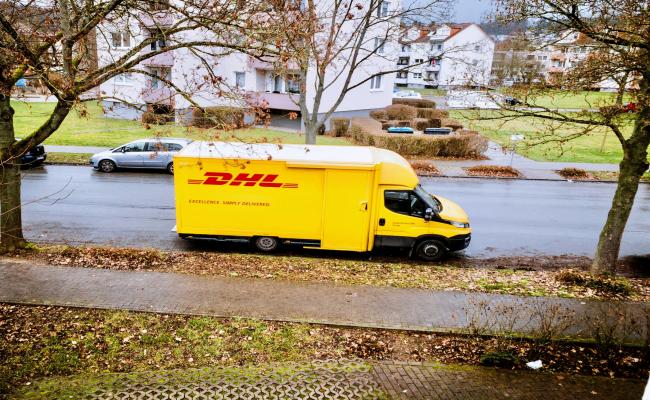
International transportation of goods and within the town is the core of world trade. One of the most apparent questions, which many businesses and private senders have to tackle, is DHL vs FedEx. Both brands deliver to almost every country and process millions of packages per day.
However, alternative networks, pricing schemes, and customer service strategies are employed by each of them. The following article presents a detailed examination of the two giants and brings the readers to the choice that suits their interests the most.
DHL vs FedEx: Company Overview
Originally, DHL started in 1969 in San Francisco, as an idea of flying custom papers in advance of freight ships to expedite clearance of the port. Now the company is part of Deutsche Post DHL Group, it operates in over 220 countries and has an effective network in Europe, Asia, and emerging African markets. The core services include express air parcels, time-definite roads and rail lines, freight forwarding, and supply chain contract work.
FedEx began in Memphis in 1973 and transformed the entire world of overnight delivery by constructing an air system with a hub-and-spoke model. FedEx Corp. currently has possession of FedEx Express, FedEx Ground, FedEx Freight, and FedEx Logistics. It has a central US hub based in Memphis International Airport capacity to sort over half a million packages in an hour. The company has a bright future in North America and provides competitive transit time on most of the Asia-US and intra-US routes.
FedEx vs DHL: What’s the Difference?
The decision between DHL vs FedEx international shipping is a choice between affordability and reach, speed and ease of using customs, and add-ons and additional services versus personal choice. The firms are differentiated by four areas.
Network Strength in Different Regions
DHL has a more intensive air and road network in Europe, the Middle East, and Africa. FedEx possesses unmatched overnight capability within the United States and combines it with powerful lanes in Asia.
Pricing Structure
The zone-based tariffs that are employed by DHL are more preferential to small and light parcels over long distances. At FedEx, there are two levels of lists, including International Priority with time-sensitive products and International Economy with products that can be delayed several additional days.
Customs and Clearance Speed
DHL’s in-house brokerage and long history in hard-to-reach markets allow quick clearance in places with strict rules. FedEx relies on local partnerships outside North America, which may add a short delay in remote areas, yet keeps US border crossings smooth.
Value-Added Services
FedEx gives shippers a wide menu: Saturday delivery in many US ZIP codes, Hold at Location, and time-definite morning options. DHL focuses on end-to-end visibility, late pickup windows in many capitals, and a carbon-insetting tool that lets firms offset emissions.

Reolink Security Camera Sale - Secure Your Home with Huge Savings!
Save big with Reolink! Special deals on security cameras, doorbells, and systems.
DHL vs FedEx: Comparison Table
After learning how DHL and FedEx differ in operations and pricing, it helps to view their features side by side. A comparison table allows customers to spot key differences quickly and assess which provider fits their business or personal shipping style.
FedEx or DHL: Pros and Cons
Before deciding between the two, it’s useful to weigh the strengths and weaknesses of each brand. Every carrier offers clear benefits but also has certain limitations that may affect delivery time, pricing, or convenience.
FedEx: pros and cons
Pros:
- Large overnight network inside the United States
- Robust pickup density in suburban areas
- Flexible ground-express mix for e-commerce
- Hold at retail partner stores without surcharge
- Strong late-night customer hotline
Cons:
- Base rates can trend high for extra-large boxes
- Fuel surcharge swings add cost uncertainty
- Limited Saturday service outside North America
- Remote area fees appear on many small islands
DHL: pros and cons
Pros:
- Quick customs clearance in complex regions
- Competitive export rates for small parcels
- Broad on-demand delivery time slots in cities
- Detailed carbon reporting for firms that track ESG data
- Single contact point for freight and express
Cons:
- Fewer service centers in rural US ZIP codes
- Limited ground service in North America
- Early phone lines close in some time zones
- Extra paperwork on US inbound duty-free gifts above $100
DHL or FedEx: Which to Choose?
With the main comparisons and pros and cons in mind, it’s time to consider how to make the right choice. The following guidelines explain how to select between DHL and FedEx based on destination, delivery speed, cost expectations, and customer support.
- Destination strength – Match the carrier with the region where it holds the widest local network.
- Speed vs cost – Decide if you need overnight delivery or can accept a slower economy lane.
- Parcel size – Compare dimensional weight rules; bulky lightweight goods may cost less with the firm that uses the lower divisor.
- Customs support needs – Lean toward DHL for tough regulatory zones; choose FedEx when you rely on US inbound tools like paperless trade.
- Pickup time window – Confirm which firm collects later in your ZIP code; late pickup can save a production day.
- Sustainability goals – Select the provider whose carbon tool aligns with your internal reporting format.
- Return services – If you run an online shop, check label creation, drop-off points, and any restocking integrations.
FAQs
What are the disadvantages of DHL?
DHL offers fewer drop sites in rural North America, closes some customer lines early, applies extra paperwork on certain US inbound gifts over one hundred dollars, and sets higher surcharges for large lightweight boxes. Businesses that need late US pickup may find the schedule tight.
Which carrier is best for international shipping?
Depending on your route, budget, and customs requirements, the best carrier is the one that fits. DHL excels in Europe, Africa, and high-risk markets, hence providing hassle-free brokerage and broad coverage of cities. FedEx is operating well in North American and Asia-US lanes with a quick hub and good support in the late night.
Which courier is faster, DHL or FedEx?
FedEx International Priority usually takes two or three days to transfer packages between key global centers in the world, whereas DHL Express documents indicate one to four days to any of the key destinations. Transit documentation reveals that FedEx is capable of clearing by several hours on flights going to the US, but DHL can make clearances faster in Europe.
Conclusion
The DHL vs FedEx debate stays lively because both firms keep improving service. DHL edges ahead in regions with intricate customs rules and offers detailed sustainability tools. FedEx commands overnight moves in North America and blends ground and express networks for online sellers. Consider destination, speed, and support needs, then choose the partner that fits your workflow. Share your own experience with either carrier in the comments so other readers can gain from real-world insight.
Search
Subscribe for the Latest Updates
Security insights & offers right into your inbox