
Coldest Place in Australia: Experience the Chill
Australia has some cold places where water freezes solid, and snow blankets the ground for months. The low temperature at these places makes life a bit difficult.
In this article, we will share some of the coldest places in Australia. We will share the temperature range and other statistics to help you understand how cold these places are.
5 Coldest Places in Australia in Winter
These five locations experience the most brutal winter conditions. Snow, ice, and freezing fog define daily life here from June through August.
Charlotte Pass, NSW
Charlotte Pass sits at the top of every cold list for good reason. Winter temperatures here regularly plunge below -10°C at night. The village receives massive snowfalls, often accumulating several meters deep. Access roads close frequently due to blizzard conditions. It is Australia's closest equivalent to a true Arctic environment.
Perisher Valley, NSW
Perisher Valley ranks as the Southern Hemisphere's largest ski resort. Winter temperatures average around -4°C during July nights. Snow depths here often exceed two meters by mid-winter. The valley's shape traps cold air, creating frosty conditions even on sunny days. Thousands of skiers brave the cold here annually.
Thredbo, NSW
Thredbo offers a European-style alpine village in Australia's Snowy Mountains. Winter temperatures drop consistently below freezing from June onward. The village sits at 1,365 meters, with ski lifts reaching much higher. Fresh snow covers the ground for most of the winter season. It remains a premier destination for winter sports enthusiasts.
Liawenee, Tasmania
Liawenee holds the title for Tasmania's coldest permanent settlement. Located in the Central Highlands, it experiences harsh winters. Temperatures frequently drop below -10°C on clear winter nights. The town primarily serves fisheries and hydroelectric operations. Its population of just two people makes it one of Australia's smallest towns.
Mount Hotham, Victoria
Mount Hotham sits on an exposed ridge in Victoria's Alps. Winter brings biting winds and heavy snow to this village. Average July minimum temperatures hover around -3°C. The village's position above the tree line makes it feel even colder. Wind chill factors often make conditions feel dangerously frigid.
Source: ABC News
4 Coldest Places in Australia in Summer
Summer offers little warmth to Australia's highest peaks. These locations remain cool even during January's heatwaves.
Charlotte Pass, NSW
Even in summer, Charlotte Pass requires warm clothing. January averages only reach about 19°C during daytime hours. Nights frequently dip below 5°C, sometimes approaching freezing. Snow patches often linger in shaded areas until late summer. It offers a true alpine summer experience, unique in Australia.
Liawenee, Tasmania
Liawenee remains stubbornly cold throughout the year. February temperatures average just 17°C during the warmest afternoons. Nights regularly fall below 5°C even during peak summer months. The town holds the title for the coldest year-round temperatures in Tasmania. Summer visitors must still prepare for frosty mornings.
Thredbo, NSW
Thredbo provides mild summer days perfect for hiking and mountain biking. However, evenings cool rapidly after sunset. Nighttime temperatures often drop to 5°C or lower even in January. The altitude ensures cool conditions persist throughout summer. It remains popular for those escaping the lowland heat.
Mount Buller, Victoria
Mount Buller's village sits at 1,600 meters. Summer days reach pleasant highs around 18°C on average. Nighttime temperatures plummet quickly once the sun sets. Single-digit overnight lows are common throughout December and January. It offers reliable cool conditions when Melbourne swelters.
Source: News.com.au
Coldest Capital in Australia
Canberra holds the official title for Australia's coldest capital city. Its inland location and elevation of 580 meters create colder winters than coastal capitals. Average July minimum temperatures drop to around 0°C in the city center. Suburbs in surrounding valleys often record much lower readings.
Frost blankets Canberra's lawns on most winter mornings. Ice forms on car windows and ponds throughout the season. Light snow occasionally dusts the nearby Brindabella Ranges. Residents accept winter as part of life in the national capital.
Why Are These Places So Cold in Australia?
Several scientific factors combine to create Australia's cold zones.
- High Altitude: Temperature drops approximately 1°C for every 100 meters climbed. Charlotte Pass sits at 1,764 meters above sea level. This elevation alone explains much of its extreme cold.
- Latitude and Solar Angle: Southern locations receive less direct sunlight during winter. The sun sits lower in the sky, providing less warmth. Tasmania's position near 40° south means weaker solar heating.
- Cold Air Drainage: Cold air is dense and flows downhill overnight. Valleys like Perisher trap this cold air, creating frost hollows. This explains why valley bottoms are often colder than slopes.
- Southern Ocean Weather Patterns: Cold fronts regularly sweep north from Antarctica. These systems bring freezing temperatures and snow to southern Australia. They are responsible for most winter precipitation events.
- Lack of Maritime Influence: Coastal cities benefit from ocean warmth in winter. Inland locations lack this moderating effect. Canberra cools rapidly overnight without ocean heat storage.
- Albedo Effect: Snow cover reflects sunlight rather than absorbing it. This keeps snow-covered areas colder than bare ground. Once snow falls, it helps maintain freezing conditions longer.
Bonus: Cold Winter Security Camera Recommendation
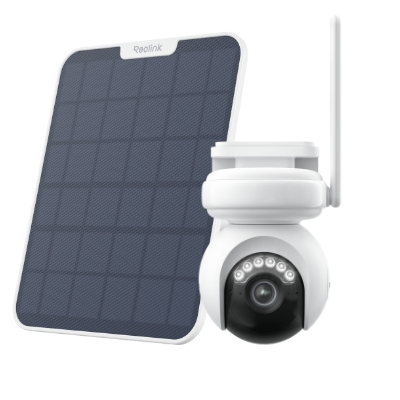
Altas PT Ultra is a robust security camera that works even in the snow and rain. It bears low temperatures and offers reliable performance. It's a 4K pan-and-tilt security camera that covers 360 degrees. It automatically tracks the motion of objects and sends real-time alerts.
It's a battery-powered camera with a 500-day long-lasting battery. It also supports a solar panel for auto-recharging. Its ColorX night vision captures true colors even in the darkest conditions. With Wi-Fi 6 compatibility, it ensures uninterrupted and fast streaming.
Industry-leading 4K Continuous Recording Battery Camera
4K UHD Continuous Recording; ColorX Night Vision; Pan & Tilt; Automatic Tracking; All Recordings Stored Locally.
FAQs
Where is the coldest place in Australia?
The coldest place in Australia is Charlotte Pass in the Snowy Mountains of New South Wales, where temperatures reached -23.0°C in 1994.
Is Tasmania the coldest place in Australia?
Tasmania is extremely cold, especially in the Central Highlands, but New South Wales holds the national record for the lowest temperature.
Has it ever reached 50 degrees in Australia?
Yes, Oodnadatta in South Australia recorded 50.7°C on January 2, 1960, setting the national heat record.
Which Australian city has the coldest winters?
Canberra experiences the coldest winter nights of any Australian capital city due to its inland location and elevation.
Conclusion
We have shared the coldest places in Australia where the temperature drops quite low. Charlotte Pass stands on top with temperatures below -10°C. Its record remains unchallenged, and then we have other locations like Perisher Valley, Thredbo, and Mount Hotham. The locations we have shared experience extreme weather conditions in winter, and some of them remain cold even in summer.
Search
Subscribe for the Latest Updates
Security insights & offers right into your inbox