
Can Steam Set Off a Fire Alarm? Causes, Myths & Solutions
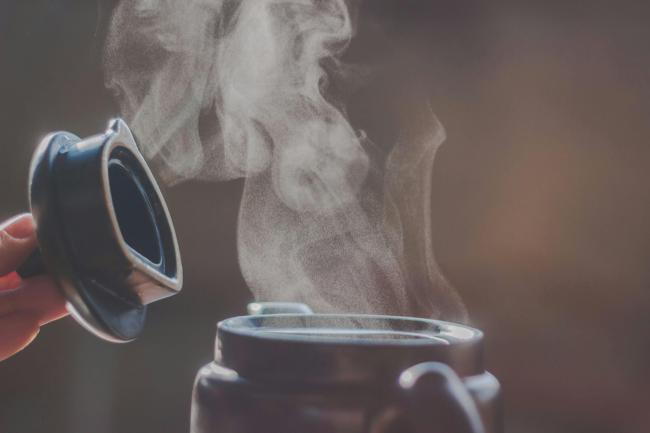
A relaxing shower, a hectic commercial kitchen, or a humidifier in a home can be the source of steam. The clear question of safety that many people ask themselves is whether can steam set off a smoke alarm. This article discusses how up-to-date fire-detection systems respond to the presence of water vapor, why false alarms occur, and what measures can be put into practice to ensure that everybody is safe.
- Can Steam Set Off a Fire Alarm?
- Can Shower Steam Set Off a Fire Alarm?
- Can Steam from Boiling Water Set Off a Fire Alarm?
- Why Does Steam Set Off Fire Alarms?
- Where Steam Most Commonly Sets Off Fire Alarms
- Is It Dangerous If Steam Sets Off a Fire Alarm?
- How to Prevent Steam From Setting Off a Fire Alarm
- FAQs
- Conclusion
Can Steam Set Off a Fire Alarm?
Yes, most typical fire-alarm systems are triggered by steam. Photoelectric detectors operate on a uni-beam of light. The circuit sends a warning when the light is scattered by smoke particles. The same applies to dense water-vapor droplets, which also scatter light as a result of their size and density. The ionization detectors search for the change in electrical currents between two charged plates. When the vapor condenses on the plates, the current can be reduced by the steam.
Can Shower Steam Set Off a Fire Alarm?
Yes, shower steam can set off a fire alarm if there is poor ventilation in the bathroom.
The steam in a shower tends to happen directly up to the ceiling, where smoke detectors are installed by builders. The little bathroom volume fills quickly; thus, the detector receives a generous dose of vapor within a short period.
When the fan or window is unable to remove the air, the moisture deposits in the device and disturbs the display of light or ionic stream within the device.
Aerosols that are least visible, like shampoo residue or dust that is knocked off by the water, are also carried by warm air on the showerhead. These additional particles increase the light scattering and increase the possibility of a signal.
Since it has to be done in the mornings repeatedly, the detector is prone to recurring cases of fog and becomes hypersensitive as the residue accumulates within, thus it becomes prone to falsely triggering in the future.
Can Steam from Boiling Water Set Off a Fire Alarm?
Yes, if placed directly below the fire alarm, steam from boiling water can set off a fire alarm.
Any steam from a pot of boiling water can be used to activate a kitchen smoke detector, particularly when the pot lacks a lid and the sensor is positioned directly underneath it.
When bubbles crust the surface, the hot vapor shoots upwards, colliding with cooler air and condensing into mist. A photoelectric chamber gets that mist confused with products of combustion.
Moreover, when cooking, there is a tendency for oil droplets, starch, or seasoning dust to be released. These additional companions combine with the vapor and form an even more opaque cloud, which disorients the detector.

Reolink Spring Sale - Step Into Spring, Step Into Security!
Reolink Spring Sale is here! Grab top deals on security cameras, doorbells, and systems to keep your home safe this season.
Why Does Steam Set Off Fire Alarms?
There are a number of physical and practical reasons as to why even the mere boiling of water or a shower can result in a screaming siren. The following points relate the sensor design to real-life conditions.
Light Scattering in Photoelectric Sensors
Within a photoelectric alarm, an LED releases a light beam inside a dark chamber. A beam is broken, and a photodiode detects the scattered light. The water droplets, which are visible as steam, are nearly the same diameter as fine smoke particles. When the droplets collide with the beam, the photodiode records scattered light and transfers the same electrical charge as actual combustion, thus the alarm goes off.
Conductivity Change in Ionization Sensors
Ionization alarms are made up of a small amount of radioactive material that maintains a minor electric current between two plates. Actual smoke retards that current, as it furnishes ions. The same is true of dense vapor. The condensing steam on the plates interferes with the ion movement, falls through the current, and causes the circuit. The alarm can even go off before the room seems cloudy because the event can occur within a few seconds.
Sensor Chamber Contamination Over Time
Microscopic minerals, residual soap, and cooking aerosols are moved around with every burst of steam. These are the materials that adhere to the walls of the chambers. Layer after layer builds a thin film that scatters light even when the room is clear. The alarm then needs only a small extra push to reach its threshold. As the device ages, false alarms occur more often until cleaning or replacement restores proper performance.
Insufficient Ventilation Near the Detector
Bathrooms and kitchens need fans or range hoods that move moist air outdoors. When ventilation fails, or residents do not use the fan, steam pools near the ceiling and drift into sensors. High humidity can linger long after the activity ends, so a detector may sound minutes later, confusing people who see no visible cloud at that moment.
Where Steam Most Commonly Sets Off Fire Alarms
Certain rooms create a perfect mix of moisture, heat, and sensors placed overhead. Knowing these locations helps occupants plan simple steps before vapor reaches an alarm.
- Residential bathrooms: Small room fills quickly, and weak fans allow vapor to touch the hallway detector.
- Home kitchens: Uncovered pots and high ceilings send thick plumes upward, especially when fans lack good capture.
- Hotel bath-bed combinations: Steam escapes at door opening and meets corridor sensor, causing late checks or evacuations.
- Commercial laundries: Irons and washers produce steady moist air mixed with lint that drifts to ceiling alarms.
- Dishwashing stations in restaurants: Conveyor machines vent endless vapor that cross-drafts push into dining zones.
- Pool changing areas and spa corridors: Heated water and jets raise humidity; open service doors let fog reach standard detectors.
Is It Dangerous If Steam Sets Off a Fire Alarm?
False alarms create their own set of risks. People may ignore future warnings because they assume another false call. During an unnecessary evacuation, elderly residents can fall on stairs, and patients in health-care wings face exposure to cold or infection. Fire departments must cross town at high speed, increasing traffic hazards. When the system rings often, maintenance staff silence or disable devices, leaving the building unprotected during an actual fire.
How to Prevent Steam From Setting Off a Fire Alarm
You can reduce false steam alarms with a few routine changes. The list below starts with simple habits and moves to technical upgrades that building codes permit when moisture creates frequent problems.
- Run exhaust fans during and after moisture tasks: Start the fan before steam forms and leave it on for twenty minutes later to sweep vapor outside.
- Cover pots and lower the heat: A lid and gentle simmer shrink the plume, keeping droplets in the cookware.
- Use heat-only detectors where code approves: Replace smoke sensors with fixed-temperature units in steamy zones after consulting an inspector.
- Move detectors out of direct paths: A small shift away from doorways or stoves keeps vapor from entering the chamber.
- Clean detectors twice a year: Vacuum grills and use compressed air so residue does not scatter light.
- Restore full fan capacity: Replace clogged filters and worn motors to regain the designed airflow.
FAQs
Can steam make a fire alarm beep?
Yes. Steam can scatter light or change ion flow inside the sensing chamber. The detector interprets the change as smoke and sends a warning pulse, which you hear as a single chirp or a full alarm cycle. Quick, dense bursts from showers or boiling pots cause most beeps in homes.
How close does steam need to be to trigger an alarm?
Distance varies by detector type and airflow, yet a cloud within two to three feet often suffices. In cramped bathrooms, vapor travels that far in seconds. In open kitchens, a ceiling plume may need a stronger concentration or a cross-draft. Good ventilation increases the required distance for activation by a lot.
Will cooking steam set off a fire alarm?
Yes, especially when you boil large pots without lids or use high-output steamers. Hot vapor rises, mixes with oil droplets and starch, and becomes dense enough to mimic smoke. Range hoods lessen the risk, but clogged filters or weak fans allow that mixed cloud to reach ceiling sensors and ring.
Conclusion
Steam may appear harmless, yet the examples above show how easily water vapor confuses a photoelectric or ionization sensor. By learning where false alarms start and applying smart ventilation and maintenance, you can reduce disruptions and keep the system ready for real danger. Share your own experiences and tips in the comments so other readers can learn from your success and improve household or workplace safety.
Search
Subscribe for the Latest Updates
Security insights & offers right into your inbox