
Amazon Echo Dot vs Google Home Mini: Which Smart Speaker Is Better?
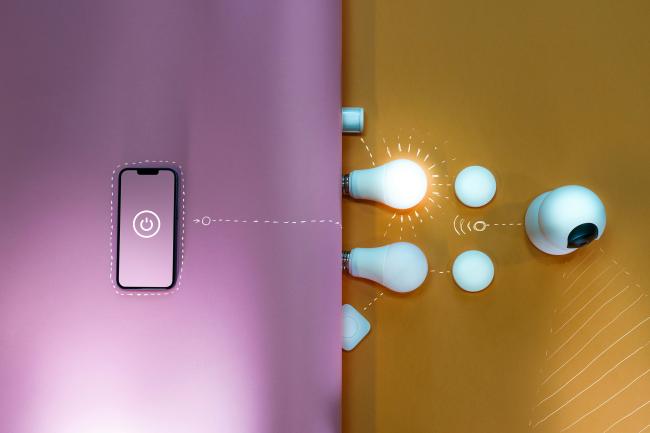
Millions of coffee tables, desks, and kitchen counters now have smart speakers. The most active market is the smallest one, the mini, in which the Amazon Echo vs Google Home Mini discussion influences most purchasing intentions.
The two models are not expensive, introduce a voice assistant into the bedroom, and are connected to a broad range of smart-home devices. This article compares the two devices in clear detail, allowing the readers to select the one that suits their habits and budget.
Echo Dot vs Google Home Mini: Overview
Voice helpers once lived only in phones. Amazon and Google pulled them into small speakers that answer questions, play music, and steer lights. While both units act as gateways to broader ecosystems, each one follows its maker’s style.
What is an Amazon Echo Dot?
Echo Dot is a small smart speaker from Amazon that works with the voice assistant Alexa. It resembles a miniature cylinder with a light ring and four buttons on it. One driver produces sound in an upward direction, and a microphone array that is built into the device listens to the Alexa wake word.
Customers request the weather, alarm clocks, the control of smart plugs, and order goods using a brief order on Amazon. It has a 3.5 mm audio jack and also has Bluetooth that enables it to be connected to bigger stereos in case I want bigger sound. Amazon maintains a low price and does frequent sales, which makes the Dot the cheapest device to get into the Alexa world.
What is a Google Home Mini?
Google Home Mini, currently marketed as Nest Mini, is a small smart speaker powered by Google Assistant. It is like a piece of fabric-covered puck that is roughly the size of a drink coaster. When the device is called by its Hey Google wake phrase, there is a row of hidden LEDs flashing.
Since Google Assistant uses Search, Gmail, Calendar, and Maps, the Mini will be able to respond to a wide variety of questions and retrieve personal information after the user connects an account. Wi-Fi and Bluetooth allow it to participate in multi-room audio groups or take music as a phone.
Google Home Mini vs Echo Dot: What’s the Difference?
Both speakers convert voice instructions into actions, but they are different in terms of hardware, software, and services. The following sections subdivide the five important areas to allow the buyers to view the leadership or lagging of every model.
Design and Build
Echo Dot has the shape of a hockey puck with flat sides, and Home Mini has a lower placement and appears softer due to the fabric top. Amazon is made of more plastic and displays buttons, thus it resembles a gadget. Google hides controls under fabric, giving it a home-decor vibe. Both come in neutral colors, though Google adds pastel options that can match a room’s palette.
Sound Quality
The latest Echo Dot has a slightly larger driver than the Mini, so it delivers stronger bass and greater volume in a small room. The Mini favors clarity in the midrange, which suits voice and podcasts. Neither unit replaces a full stereo, but Dot’s output feels a bit richer for music.
Voice Assistant Skills
Alexa shines in smart-home control because it supports a wider list of third-party devices through “Skills.” It also allows custom routines that link many actions to one trigger. Google Assistant handles general knowledge queries with ease and can interpret natural speech more smoothly. It also ties into Google’s own services, such as Calendar, without extra steps.
Ecosystem and Services
Echo Dot lives inside Amazon’s store and Kindle, Prime Music, Audible, and Ring products. Buying the Dot works best for shoppers already using those services. Home Mini fits into Google One accounts, YouTube Music, security cameras, and Android phones. Users who rely on Gmail and Chromecast will feel at home with the Mini.
Some Reolink cameras work with Amazon Alexa and Google Assistant, so you can control them with your voice and see the live view on your smart hub.
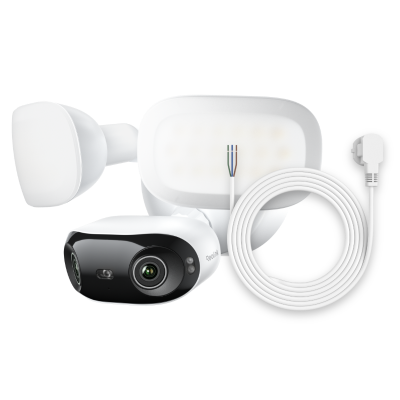
4K 180° Ultra-Wide Wired Floodlight Security Camera
3000-Lumen Dimmable Lighting, Adjustable Color Temperature, Local AI Video Search, Local Storage, Dual-Band Wi-Fi 6.
Price and Value
List prices stay close: Echo Dot sells for about $50, and Home Mini for around $49. Amazon discounts the Dot often and bundles it with bulbs or plugs. Google runs fewer sales, though it includes YouTube Music trials. Dollar for dollar, Dot gives more sound per cent, yet Mini may save time for people deep into Google’s platform.
Google Home Mini vs Amazon Echo Dot: Comparison Table
A quick glance can help busy readers decide. The table below lines up the main specifications side by side.
Google Mini vs Echo Dot: Pros and Cons
Many shoppers weigh strengths against weak points instead of scanning specifications. The lists below outline practical gains and tradeoffs.
Google Home Mini: pros and cons
Pros:
- Ties into Google services, giving smooth access to personal data
- Strong at answering random questions with up-to-date Search info
- Compact, fabric design blends into décor
- Supports multi-room audio groups with other Chromecast speakers
Cons:
- Lacks a physical audio jack for bigger speakers
- Bass response stays limited, so music feels light
- Fewer sales make the effective price higher
- Fewer third-party smart-home accessories than Alexa supports
Amazon Echo Dot: pros and cons
Pros:
- Louder sound with deeper bass for its size
- Frequent discounts, bundles, and refurbished deals
- 3.5 mm jack and Bluetooth let it pair with any stereo
- A large skill catalog covers many smart devices and services
Cons:
- The interface shows buttons and plastic that may clash with some décor
- Answers to broad questions trail Google Assistant in accuracy
- The Alexa app feels cluttered for new users
- Amazon ads and prompts can pop up more often than some prefer
Google Home Mini or Amazon Echo Dot: Which to Choose?
Choosing a smart speaker should follow daily habits instead of brand cheerleading. The points below highlight typical use cases and link each scenario with the better pick.
- Heavy Google account usage: Users who rely on Gmail, Calendar, and Android notifications will gain quick hands-free help from Google Assistant.
- Prime member and Amazon shopper: People who stream Prime Video and make frequent Amazon purchases will benefit from the Echo Dot’s tight store links.
- Better sound on a budget: Listeners who want maximum bass and volume without adding an external speaker should pick the Echo Dot.
- Smart-home variety: Tech fans who mix many device brands will find broader compatibility through Alexa skills.
- Privacy control preference: Owners who like a clear mute switch and fewer voice recording prompts may lean toward the Google unit, which stores less marketing data.
FAQs
What are the disadvantages of Google Mini?
Google Mini lacks an audio jack, produces modest bass, and supports fewer third-party smart-home gadgets than Alexa. Its price drops less often, and it sometimes lags on slower networks because it pulls cloud data for answers. These factors may limit value for some homes.
Why are people getting rid of Alexa?
Some users feel uneasy about Amazon’s data collection. Others switch after buying speakers with fuller sound or when they invest in devices that Google controls. A few dislike sponsored prompts within Alexa responses. Ongoing service fees for music can also push owners to cancel and resell their Echo gear.
Why is Google so much better than Alexa?
Google Assistant wins at general knowledge because it taps the vast Search index. It understands natural phrases and context shifts well, which means fewer repeated commands. Standard Android and Chrome use deepens the link, so tasks such as adding calendar events feel faster and more seamless than on Alexa-based speakers.
Conclusion
The future of voice control is within the reach of both speakers. Echo Dot is glowing with increased loudness, regular promotions, and broad connections with the smart home. Google Home Mini is a master in fast responses and close connections with regular Google services.
The superior option will be based on the accounts that you use the most and the room where you will place the device. Give your personal decision in the Amazon Echo vs Google Home Mini discussion in the comment section.
Search
Subscribe for the Latest Updates
Security insights & offers right into your inbox