
6K Resolution Explained: Everything You Need to Know

6K resolution brings exceptional clarity and details to the screen with its high number of pixels. But it demands extensive storage and processing power.
In this article, we will discuss what 4K resolution is. We will compare it with 4K and 8K resolutions to give you a better idea of what it offers and where it lacks.
What Is 6K Resolution?
6K resolution refers to displays or images with approximately 6,000 horizontal pixels. The most common standard measures 6144 x 3160 pixels for cinema applications, totaling over 19.4 million pixels. Some consumer-oriented 6K displays use 6016 x 3384, still delivering roughly 20.4 million pixels. It represents nearly 2.5 times the pixel count of 4K (8.3 million) and about 60% of 8K's 33 million pixels.
Cinema cameras adopted 6K to enable higher-quality 4K output through oversampling. When a 6K image is downsampled to 4K, each output pixel averages data from multiple source pixels, resulting in sharper images. For photographers and videographers, 6K provides significant cropping flexibility. A 6K image can be reframed, stabilized, or digitally zoomed in post-production while still delivering sharp 4K output.
4K vs 6K vs 8K Resolution: Comparison Between Them
4K UHD (3840 x 2160) represents the current consumer standard with 8.3 million pixels. It offers excellent image quality for most viewers, abundant content availability through streaming services and physical media, and reasonable hardware demands for playback and gaming.
6K (6144 x 3160) serves as the professional creator's tool with 19.4 million pixels. It enables filmmakers and photographers to capture with oversampling benefits, producing superior 4K final outputs through downsampling. However, 6K demands significant storage, processing power, and expertise that consumers neither need nor typically possess.
8K UHD (7680 x 4320) pushes toward the future with 33 million pixels. It offers theoretical visual fidelity beyond human perception at normal viewing distances, but content remains scarce, bandwidth requirements prove immense, and the benefits over 4K remain debatable for most applications.
Is 6K Resolution Worth It?
For most consumers, 6K monitors offer diminishing returns compared to 4K. The human eye struggles to distinguish pixel differences beyond 4K at normal viewing distances on typical screen sizes. Content availability remains another barrier. Streaming services deliver 4K at best. Physical media tops out at 4K. No consumer content exists in true 6K resolution.
For professional creators, however, 6K proves invaluable. Videographers shooting in 6K can stabilize shaky footage, reframe shots, and apply digital zooms while still delivering pristine 4K final exports. Photographers capture images with enough resolution for large prints and extensive cropping. The oversampling benefits alone justify the investment for anyone earning income through visual content.
High Resolution Security Camera Recommendation
TrackFlex Floodlight Wi-Fi
The Reolink TrackFlex Floodlight Wi-Fi delivers professional-grade 4K surveillance with intelligent features. Its dual-lens system provides close-up and wide-angle views at the same time, while it covers a 360° view with pan and tilt capabilities. The 3000lm floodlight with adjustable warm-to-cool color temperature illuminates intruders while recording in crystal-clear 4K resolution at night. Local AI Video Search lets you find specific events instantly.
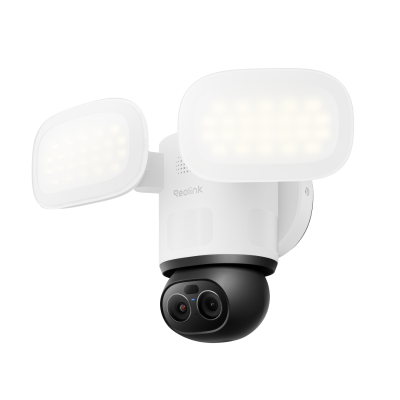
Smart 4K 360° Coverage Wi-Fi Floodlight Security Camera
Local AI Video Search, 4K 8MP Ultra HD, 360° Coverage View, 6X Hybrid Zoom, Dual-Color Floodlight.
Altas PT Ultra
The Reolink Altas PT Ultra redefines wireless security with a 500-day long-lasting battery that eliminates frequent charging concerns. Its 4K ColorX night vision captures vibrant, detailed footage even in complete darkness. Up to 10 seconds of pre-recording ensures you never miss critical moments before motion triggers the camera. The 360° automatic tracking follows intruders across your property while Wi-Fi 6 delivers uninterrupted streaming without buffering.
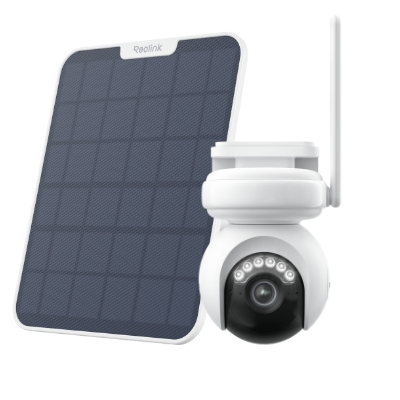
4K Battery-Powered PTZ Camera with Continuous Recording
👍 4K UHD video with continuous recording
👍 ColorX night vision in low light
👍 Pan, tilt, and automatic person tracking
👍 Local storage without monthly fees
FAQs
Is 6K better than 4K?
For professional content creation, yes. 6K enables superior 4K output through oversampling. For consumer viewing on standard displays, the difference is negligible to the human eye at normal distances.
What size is a 6K video?
A single minute of uncompressed 6K video consumes approximately 170-200 gigabytes of storage. Compressed formats like ProRes or H.265 reduce this significantly while maintaining professional quality.
Conclusion
6K resolution is undoubtedly better than 4K in terms of the number of pixels it contains. However, for the human eye, it's difficult to distinguish after 4K. Plus, 6K also needs high processing power and uses more storage space. For consumer viewing and standard displays, 4K is enough. But for professional creators, photographers, and movies, 6K is the best choice to produce exceptional 4K quality after downsampling.
Search
Subscribe for the Latest Updates
Security insights & offers right into your inbox