
3K Resolution Explained: What You Need to Know

The 3K resolution size offers the sweet spot, with more pixels than Full HD and less strain than 4K. It's an excellent option for many applications and users to find the right balance between the video quality and hardware requirements.
In this article, we will discuss what 3K resolution is. We will explain its common applications and compare it with other common resolutions. It will help you understand what it actually offers before making a decision.
What Is 3K Resolution?
3K resolution refers to displays with approximately 3,000 horizontal pixels. The most common implementation measures 3200 x 1800 pixels, sometimes marketed as "3K" or "QHD+" on premium laptops and monitors. This resolution totals 5.76 million pixels, sitting comfortably between 2K (2.07 million for 1080p) and 4K (8.29 million). Some manufacturers also use 3072 x 1920 or 2880 x 1800, all falling under the 3K umbrella.
The 3K resolution delivers a practical sweet spot for many users. At 3200 x 1800, it offers significantly more screen real estate than 1080p while demanding less graphics processing power than 4K. For many professionals and enthusiasts, 3K represents the ideal compromise. It provides enough detail for photo editing. It allows gamers to enjoy higher frame rates than 4K permits. It delivers sharp text for programmers without requiring scaling compromises.
Using Scenarios of 3K Resolution
3K resolution shines in specific use cases where 4K proves excessive, yet 1080p feels insufficient. Understanding these scenarios helps determine whether 3K suits your needs.
Premium Laptops and Ultrabooks: Manufacturers like Dell, HP, and Apple use 3K displays (3200 x 1800 or 3072 x 1920) to deliver sharp text and vibrant images while preserving battery life. The resolution provides noticeable improvement over 1080p without the power drain of 4K.
Content Creation and Photo Editing: Creators working with high-resolution images benefit from 3K displays. The extra pixels allow viewing photos at near 100% scale while keeping editing tools visible. Video editors appreciate the additional timeline space without overwhelming system resources.
Productivity and Multitasking: Spreadsheet users, programmers, and business professionals gain significant screen real estate from 3K resolution. Multiple windows sit side by side comfortably. Text remains sharp without scaling issues that sometimes plague 4K on smaller screens, reducing eye strain during long work sessions.
Gaming at High Frame Rates: Gamers seeking smooth performance with better-than-1080p visuals find 3K a compelling compromise. Modern graphics cards drive 3200 x 1800 at high refresh rates more easily than 4K, delivering responsive gameplay with crisp detail where frame rates matter more than absolute pixel count.
Security Camera Monitoring: Security professionals and homeowners monitoring multiple camera feeds benefit from 3K resolution. The extra pixels reveal details that 1080p might miss, yet the lower demand compared to 4K allows running multiple streams simultaneously on modest hardware, balancing coverage with performance.
2K vs 3K vs 4K Resolution: Comparison Between Them
The primary distinction lies in pixel count and use case. 2K (2560 x 1440) offers approximately 3.7 million pixels, serving gamers and productivity users who want noticeable improvement over 1080p without premium costs.
3K (3200 x 1800) delivers about 5.8 million pixels, targeting professionals needing sharper text and more screen real estate while maintaining battery life and performance. 4K (3840 x 2160) tops the consumer tier with 8.3 million pixels, demanding significant hardware investment for smooth operation.
Higher Resolution Security Camera Recommendation
TrackFlex Floodlight Wi-Fi
TrackFlex Floodlight Wi-Fi is a dual-lens 4K security camera with a floodlight. It captures a 360-degree view with pan and tilt motion and records close-up details with 6X hybrid zoom. You can see both the wide-angle and close-up views at the same time. The 3000-lumen floodlight covers a massive area. You can adjust the color temperature and brightness. Its local AI video search allows users to search for the desired video in no time.
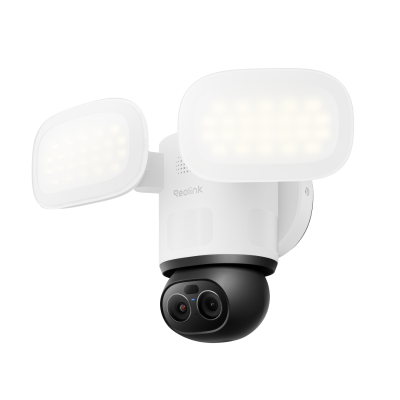
Smart 4K 360° Coverage Wi-Fi Floodlight Security Camera
Local AI Video Search, 4K 8MP Ultra HD, 360° Coverage View, 6X Hybrid Zoom, Dual-Color Floodlight.
Altas PT Ultra
Altas PT Ultra is a battery/solar-powered pan and tilt security camera. It has a 20,000 mAh battery that lasts up to 500 days. It captures videos in 4K and covers a 360-degree wide field of view. It automatically tracks the motion of objects and sends real-time alerts to the connected devices. Its ColorX night vision records clear videos at night with incredible details. You can enjoy remote access, real-time alerts, and all advanced features without any subscription fee while using local storage.
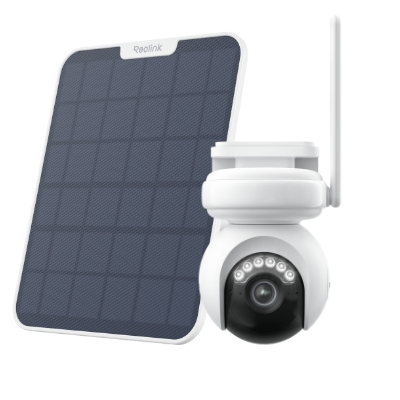
Industry-leading 4K Continuous Recording Battery Camera
4K UHD Continuous Recording; ColorX Night Vision; Pan & Tilt; Automatic Tracking; All Recordings Stored Locally.
FAQs
Is 1440p 2K or 3K?
1440p (2560 × 1440) is considered 2K or QHD. As display technology advances, 1440p will likely remain the gaming sweet spot while 3K and 4K dominate professional and premium consumer applications.
Is 2880 x 1800 3K?
Yes, 2880 x 1800 is commonly marketed as 3K, particularly in Apple's MacBook lineup. This resolution will likely become standard for premium laptops as manufacturers balance sharpness with battery efficiency.
Is 3K Full HD?
No, 3K is not Full HD. Full HD refers specifically to 1920 x 1080 resolution. Future display standards will likely phase out Full HD in premium devices as 3K and 4K become more affordable.
Is 3K the same as 1080p?
No, 3K contains roughly 2.8 times more pixels than 1080p, delivering noticeably sharper images. As content creation tools evolve, 3K will increasingly serve as the baseline for professional work while 1080p remains adequate for casual viewing.
Conclusion
3K Resolution finds the perfect balance that offers excellent results in various applications. With approximately 5.76 million pixels at 3200 x 1800, it delivers sharp text, vibrant images, and meaningful productivity gains without the performance demands of 4K. While 4K dominates marketing budgets, 3K represents the practical choice for users who want noticeable improvement without unnecessary overhead.
Search
Subscribe for the Latest Updates
Security insights & offers right into your inbox