








Different Types of Chargers and Their Uses: A Complete Guide
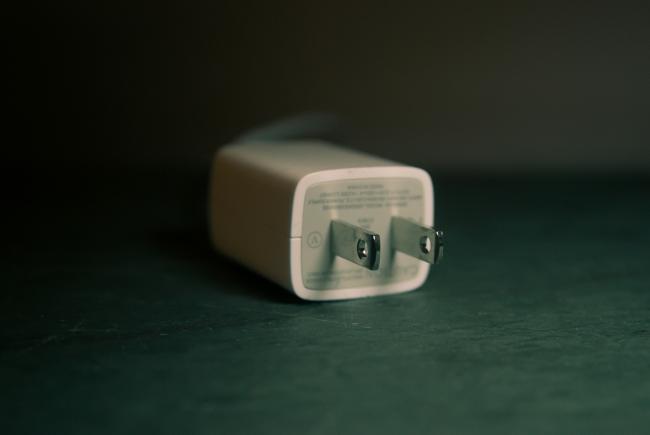
Power chargers are the ones that are used in almost every modern tool, but most owners choose them randomly. This guide describes the key charger types and demonstrates how each one of them can be applicable to daily needs. No more charging time wasted with vivid facts concerning the different types of chargers that you can now be able to charge faster and safeguard batteries, while being able to move around with a lighter load.
TL;DR
- USB-C is now compatible with most phones, laptops, and tablets; USB-A remains compatible with old equipment.
- EV drivers use Level 1 when they want to stay home overnight, Level 2 when they need to take a trip in a day, and DC Fast when they have to engage in a trip.
- Check the shape of the plug, watt rating, and the quality of the cable always to prevent slow fills and heat.
- One high-watt USB-C PD brick is capable of substituting multiple small chargers in a travel bag.
What Are Main Types of Chargers?
Gadgets, cars, and home sensors draw power from families of chargers built around voltage and connector shape. Knowing the group helps you sort drawers full of bricks and cables.
Wired Chargers
- USB-C: The newest standard of the majority of new phones, tablets, laptops, and accessories. It is reversible and has the ability to charge quickly, and is capable of transmitting high-speed data.
- Lightning: A custom connector that is used on iPhones and iPads and selected accessories manufactured by Apple through the 14 series.
- Micro-USB: A connector that was once popular with Android gadgets, small electronics, and accessories. It has become obsolete on the majority of cheaper devices, but is still found on a few budget items.
- USB-A: The well-known rectangular connector of most conventional wall chargers, laptops, and car adapters.
- USB-B: A larger, square connector, used most commonly by printers and scanners, and the opposite type is usually USB-A or USB-C.
Wireless Chargers
- Wireless charging pads or stands: These are used to charge your device by just laying it on the pad- no cable needed. Supported iPhones have popular standards, namely Qi, Qi2, and MagSafe.
Portable and Vehicle Chargers
- Power banks: Portable battery packs, which store power so that you can recharge your devices when you are not at a power source.
- Car chargers: These are plugged into the power port in your vehicle (where the cigarette lighter used to be) so that you can charge your phone or GPS when you are driving.
Multi-Port Chargers
- Multi-port wall or desk chargers: Small chargers that have multiple USB-A and/or USB-C ports. They enable you to have several gadgets connected to the same power outlet, which is ideal when traveling or when sitting at a desk.
What Are Types of Phone Chargers?
Phones evolve fast; power gear follows that pace. Each connector rose to meet new speed or size goals. Plug the right model for safe, quick refills.
1. USB-A Chargers
This classic rectangle is one of the common types of USB chargers that charge older phones and accessories at 5 V, 1–2.4 A. Quick Charge bricks the lift voltage to 9 V or 12 V when a matching handset agrees.
2. USB-C Chargers
The slim reversible plug rules new devices. Standard USB-C supplies 5 V at 3 A; Power Delivery scales to 20 V at 5 A, enough for many laptops. One brick adapts from earbuds to portable monitors. Gallium nitride (GaN) transistors now let makers shrink high-watt USB-C bricks, so a palm-sized charger can push 65 W without overheating.
3. Lightning Chargers (Apple Devices)
Apple relies on an eight-pin plug. Lightning chargers are one of the common types of iPhone chargers. Basic bricks push 5 V at 1 A; USB-C to Lightning cables raise output to 20 W through Power Delivery and include a protection chip.
4. Micro-USB Chargers
This trapezoid plug served Android phones from 2012 to 2017. It still charges cameras, speakers, and fitness bands at up to 2 A.
5. Wireless Chargers
Qi pads and stands pass 5–15 W through matched coils. Magnets in newer phones help the coils line up. Many hotel chains and coffee shops embed Qi mats in tables, so travelers can recharge battery life without hunting for outlets.
6. Portable and Power Bank Chargers
Banks store energy in lithium cells, then release it over USB-A, USB-C, or a built-in cable. Capacity and port spec dictate run time.
7. Car Chargers
A 12 V accessory outlet runs a small converter that feeds USB ports. High-tier units offer 18 W Quick Charge or 45 W Power Delivery.
What Are Types of EV Chargers?
Electric cars need far more power than phones; stations come in three useful layers. Climate, battery size, and daily miles drive the choice.
Level 1 (120 V AC)
A cord that plugs into a standard wall outlet adds about five miles of range each hour. Level 1 suits hybrids or city commuters and draws 12–16 A.
Level 2 (240 V AC)
Wall boxes on 240 V circuits add 20–30 miles per hour, well-suited to regular commuting. Many units include apps that show charge status and let you delay start until grid rates fall at night.
DC Fast Charging (Level 3)
Roadside hubs feed 50–350 kW direct current to the pack, adding hundreds of miles in under an hour. Fees often rise with peak demand, so checking prices on the route saves money. Use them mainly for road trips to control battery heat.
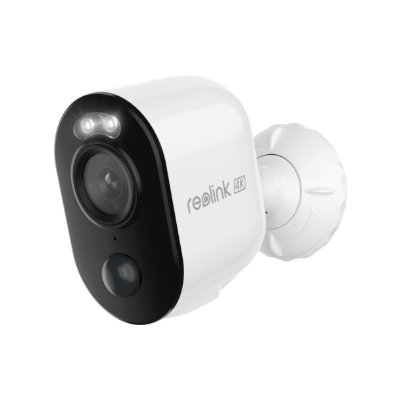
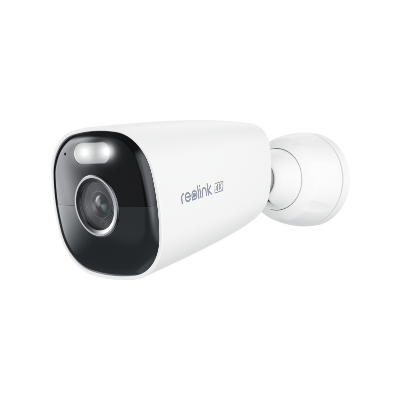
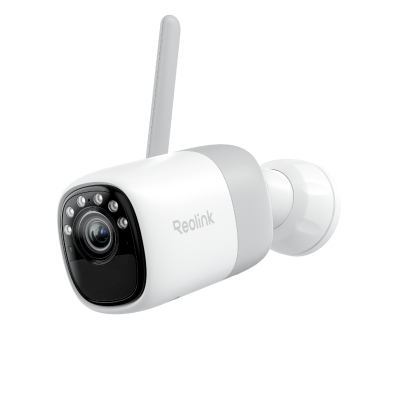
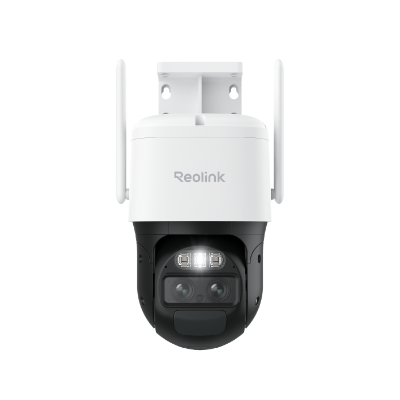
What Are Types of Security Camera Chargers?
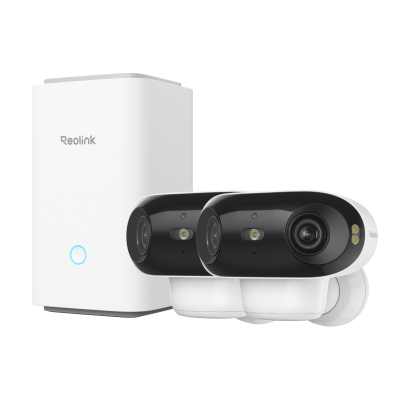
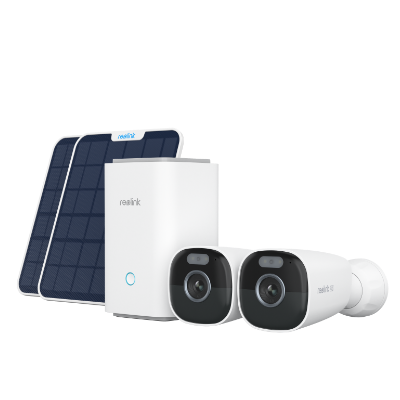
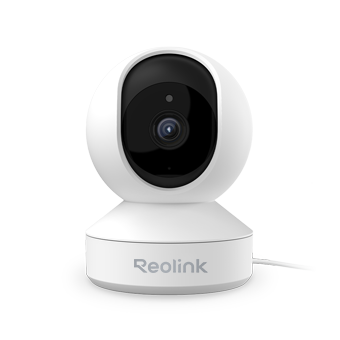
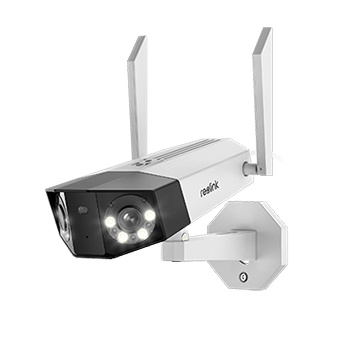
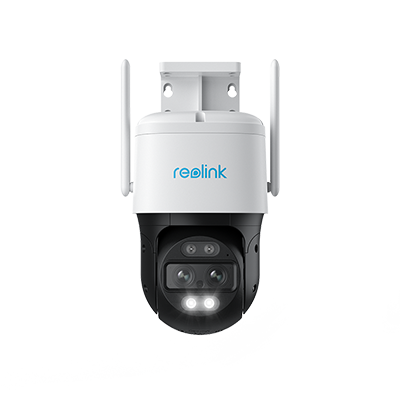
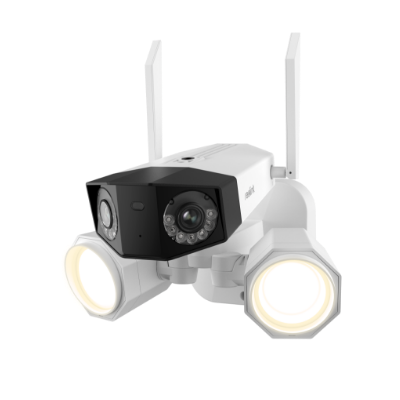
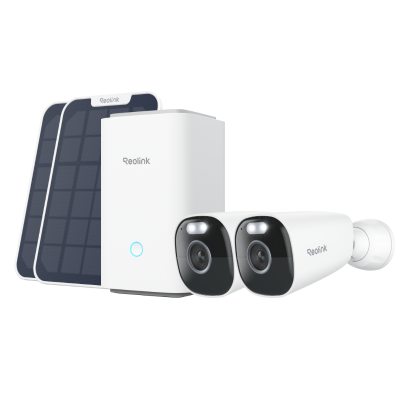
Smart cameras use several power styles:
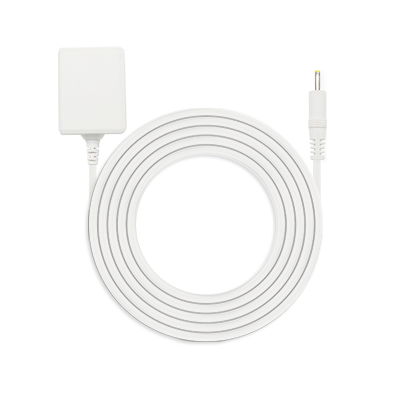
- Micro-USB wall plug: 5 V at 1 A for indoor models.
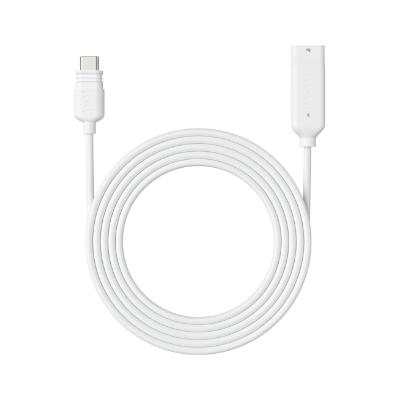
- USB-C weather-sealed cable: Resists rain on outdoor units and supports spotlights.
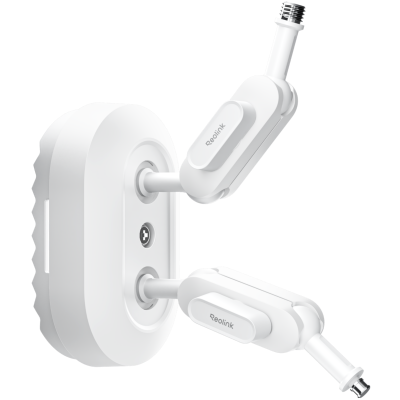
- Magnetic pogo pin dock: Snaps in place on battery cameras.
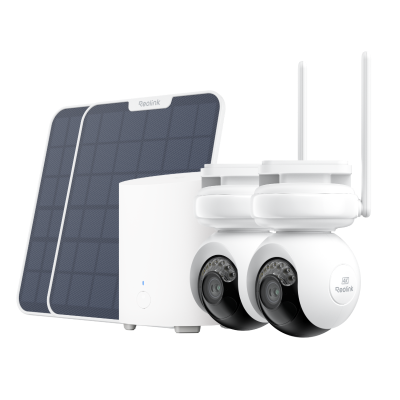
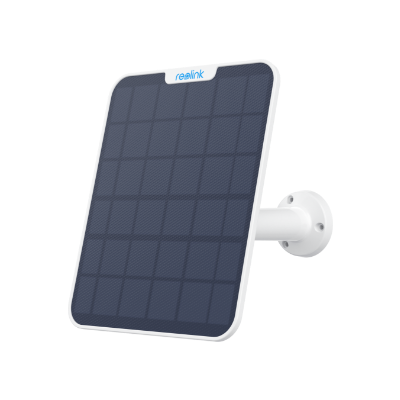
- Solar trickle panel: Keeps low-draw cells topped off.
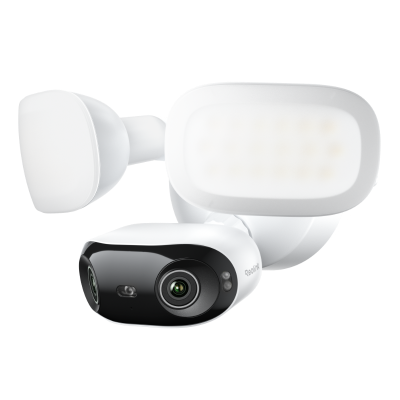
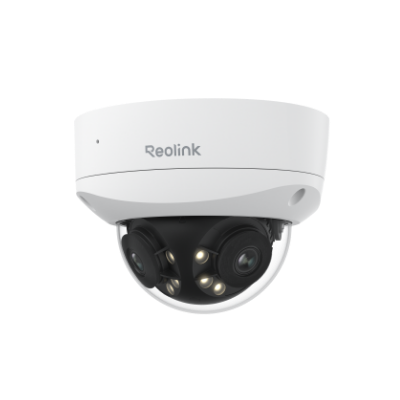
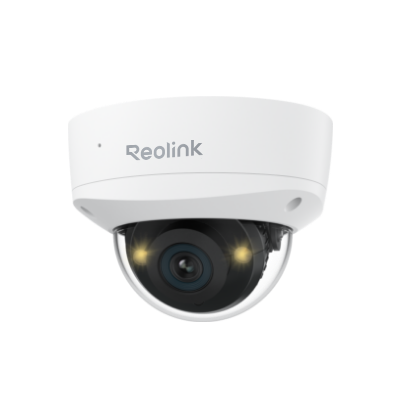
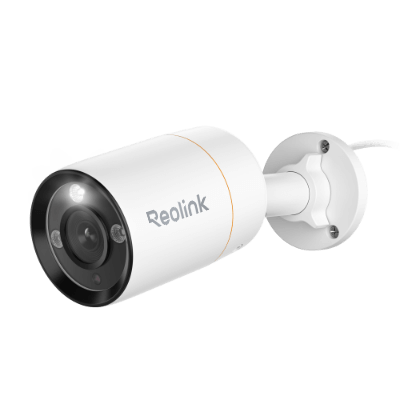
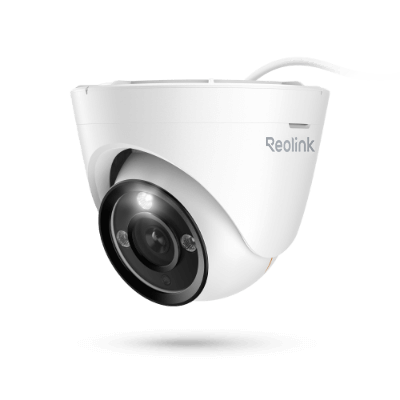
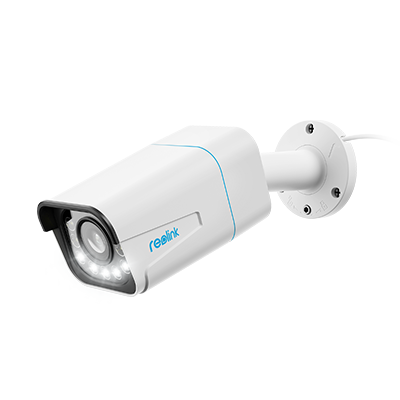
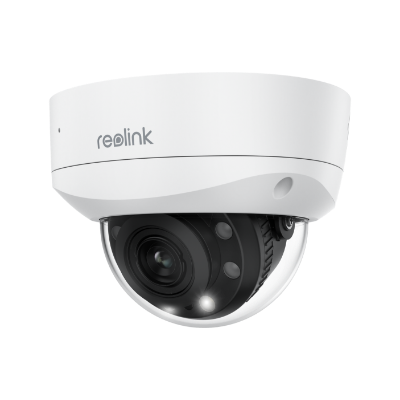
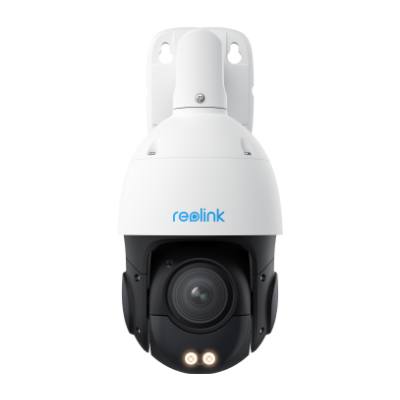
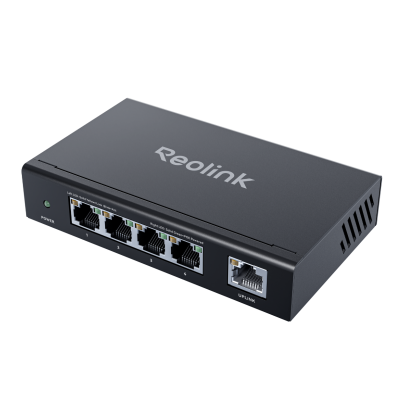
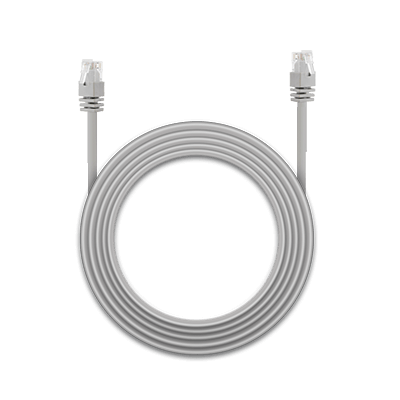
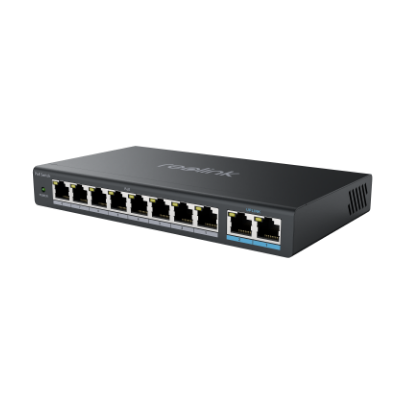
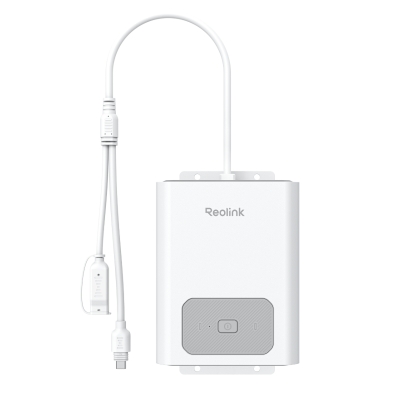
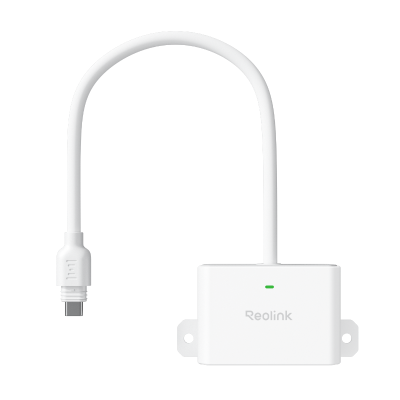
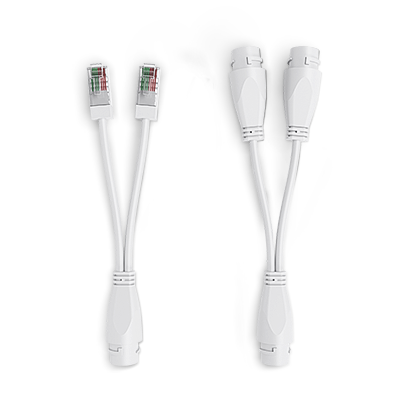
- PoE injector: For PoE security cameras, an injector sends data and 48 V power over one Ethernet line.
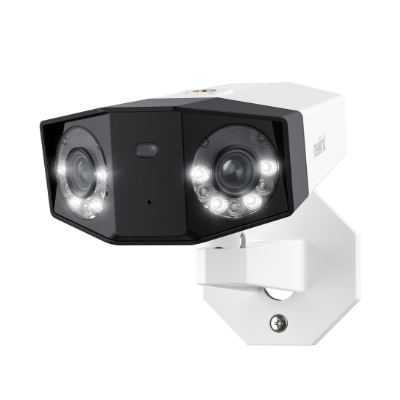
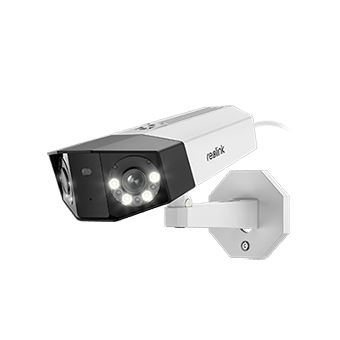
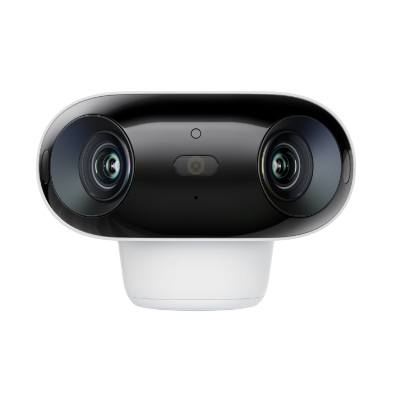
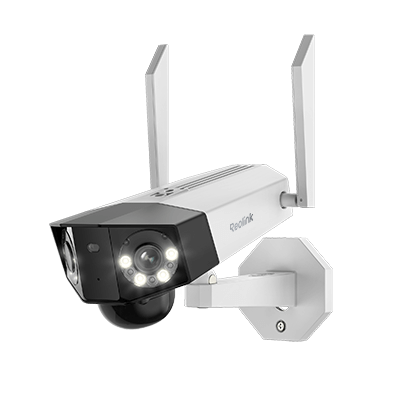
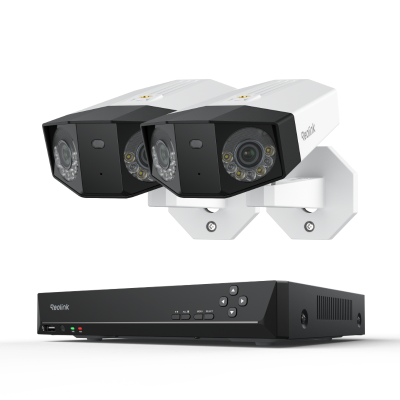
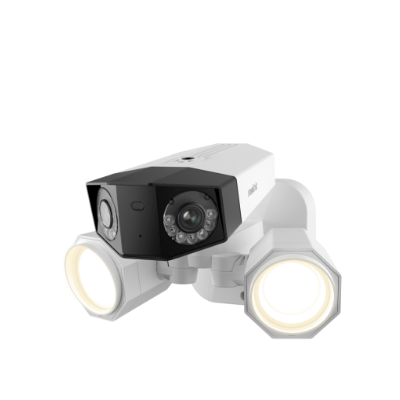
Groundbreaking 16MP Dual-Lens PoE Camera
16MP UHD, Dual-Lens, Motion Track, 180° Wide Viewing Angle, Power over Ethernet, Color Night Vision.
Comparison Table of Charger Types
Before we line up numbers, keep one idea in mind: ratings help only when you match them to the real task. A chart does not replace reading your device label, yet it gives a useful first filter.
How to Choose the Right Type of Chargers?
Use these checks before you buy a charger:
-
Connector match: Plug shape must fit the port.
-
Watt headroom: Pick a brick at or above the device rating.
-
Cable grade: A high-watt brick needs a cable rated for the same flow.
-
Safety marks: UL or ETL stamps prove heat and surge tests.
-
Setting: Outdoor use needs seals; travel needs folding prongs and world adapters.
-
Port count: A multi-port brick powers several devices at once and cuts wall clutter.
-
Future plans: A 65 W USB-C PD brick covers phones now and a thin laptop later.
FAQs
What are the three types of chargers?
Users often group chargers as wired USB, wireless Qi, and vehicle stations. Wired USB handles daily handheld devices, wireless pads add ease by removing cables, and vehicle stations supply the high current that car packs need. Together, they solve most charging tasks at home and on the road.
How many types of Dodge chargers are there?
Dodge has sold various Charger sedan models since 2006, such as SXT, R/T, Scat Pack, SRT 392, Redeye, and Hellcat. The counts do vary depending on the annual packages, but during the majority of the model years, counts encounter about six stable trim lines on the part of shoppers. Special editions such as Daytona also have slight additional features.
What is a B and C type charger?
USB-B is the square connector of printers and certain hubs, and USB-C is the small connector with the reversible connection of the current phones and laptops. Both are capable of data transfer and power transfer, still USB-C has greater wattage and higher transfer rates and is therefore the emerging standard of new devices.
Conclusion
You do not need to guess what to use or lose time trying, as you have mapped the best types and roles of the leading chargers. Use this guide to leave behind when you go shopping and buy accessories, or plan a trip, and you will no longer be slowed down by the variety of chargers. Wise decision-making is removing junk, saving, and having all batteries available to work. At times when power is a concern, the right charger is worth more than the gadget it serves.
Search
Subscribe for the Latest Updates
Security insights & offers right into your inbox