


























































Top 5 Safest Neighborhoods in Seattle
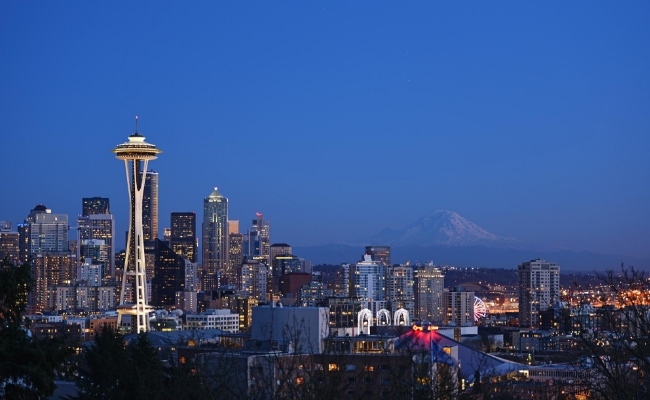
Seattle, known for its stunning landscapes, vibrant culture, and thriving tech industry, is a highly desirable place to live. However, like any major city, safety is a key concern for residents and visitors alike.
In this article, we'll explore the safest Seattle neighborhoods, provide detailed crime statistics, and offer practical tips for staying safe. Whether you're relocating or visiting, this guide will help you find the safest neighborhoods in Seattle and ensure a secure living experience.
Is Seattle Safe to Live in?
Seattle has a violent crime rate of 7.75 per 1,000 residents and a property crime rate of 50.08 per 1,000 residents.
While property crime remains a persistent challenge for the city, Seattle has experienced a major positive shift. According to the Seattle Police Department's year-end data, overall crime dropped by 18% citywide. This positive momentum includes a dramatic 36% decline in homicides, an 18% reduction in burglaries, and a 24% decrease in vehicle thefts.
Furthermore, crime in Seattle does not happen uniformly. It is highly concentrated in specific nightlife, transit, and commercial corridors, while many residential neighborhoods maintain exceptionally low crime rates.
Top 5 Safest Neighborhoods in Seattle
If you are looking for the most secure and peaceful areas in the Emerald City, these five neighborhoods consistently stand out for their low crime rates, strong community engagement, and excellent quality of life.
1. Magnolia
Magnolia is highly regarded for its serene, peninsula-isolated surroundings and tight-knit community feel. It remains one of the safest residential enclaves in Seattle.
- Safety Profile: Features exceptionally low violent crime and property crime rates that sit roughly 50% below the city average.
Families and working professionals are drawn to its quiet, tree-lined streets, top-tier local schools, and scenic viewpoints at Discovery Park, all while maintaining a brief commute to the downtown core.
2. Queen Anne
Perched on a prominent hill just north of downtown, Queen Anne combines historic charm with a highly active, secure streetscape.
- Safety Profile: The Upper Queen Anne residential district is remarkably safe, tracking well below national urban crime benchmarks. It is statistically safer than roughly 74% of other neighborhoods across the city.
Renowned for its stunning views of the Puget Sound and Space Needle, the neighborhood offers pedestrian-friendly commercial strips, historic architecture, and highly responsive community watch groups.
3. Ballard
Ballard is a historic, waterfront neighborhood that seamlessly blends a rich Scandinavian heritage with a hip, modern energy.
- Safety Profile: Despite its bustling commercial activity, Ballard's residential corridors remain highly secure, maintaining steady, low single-digit violent crime metrics per 1,000 residents.
Locals and visitors enjoy a vibrant lifestyle anchored by its famous Sunday Farmers Market, an expansive craft brewery district, excellent boutique shopping, and the historic Ballard Locks.
4. Green Lake
Centered around a pristine glacial lake, Green Lake is a vibrant, wellness-focused neighborhood engineered for outdoor enthusiasts and families.
- Safety Profile: It ranks continuously among the top tiers for personal safety in Seattle due to high foot traffic, excellent public visibility, and continuous residential occupancy.
The neighborhood features a heavily utilized 2.8-mile lakeside trail, abundant sporting facilities, and an array of dense, buzzing cafes and restaurants that keep the neighborhood lively and self-policed.
5. West Seattle (including Alki)
Operating almost like its own independent beach town, West Seattle offers a relaxed, maritime lifestyle cut off from the frantic pace of the city center.
- Safety Profile: Property and violent crime numbers mirror the low baselines found in Magnolia, benefiting from its geographic buffer and a highly protective homeowner base.
It boasts panoramic views of the Seattle skyline, sandy stretches along Alki Beach, and a strong culture of independent, small business ownership along "The Junction."
Quick List of Safest Neighborhoods in Seattle
Tips for Choosing the Safest Seattle Neighborhoods
Finding the perfect area in a changing urban landscape can feel overwhelming. However, by focusing on a few strategic indicators, you can cut through the noise and make a highly informed decision for your next move:
1. Leverage Localized Law Enforcement Data
While broad national platforms are useful, they often rely on lagging data. For the most accurate, up-to-the-minute safety insights in Seattle, go straight to the source. Consult the Seattle Police Department (SPD) Crime Data Dashboard and the SPD Blotter. These tools provide micro-level heat maps showing exactly where incidents occur, helping you differentiate between a busy commercial corridor and a quiet residential block.
2. Evaluate Infrastructure and Community Investment
Safety is often visible in a neighborhood's upkeep. Prioritize areas with well-maintained public parks, highly rated local schools, and active business improvement districts (BIDs). Neighborhoods that feature well-lit streets, clear pedestrian walkways, and thriving local shops naturally foster higher foot traffic, creating a safer "eyes on the street" environment.
3. Dig Into Real-Time Community Forums
To get an authentic feel for a neighborhood's day-to-day safety, tap into hyper-local networks. Check platform groups like Nextdoor, localized Seattle Reddit communities (such as r/Seattle or neighborhood-specific subreddits), and Facebook community groups. This is where current residents discuss everything from package theft trends to block watch initiatives, giving you firsthand context you won't find on a data sheet.
4. Visit at Different Times of Day
A neighborhood can feel entirely different at 10:00 AM on a Tuesday than it does at 11:00 PM on a Saturday. Once you have shortlisted an area, visit it during both day and nighttime hours. Pay attention to street lighting, transit stop activity, and how comfortable you feel walking through the residential pockets.
Most Dangerous Areas to Avoid in Seattle
While Seattle is statistically safer than many major U.S. metro areas, safety varies significantly from block to block. The city's overall crime numbers are heavily skewed by concentrated activity in transit hubs, retail centers, and nightlife corridors.
If you are looking for a quiet lifestyle or planning to walk around late at night, these are the areas where you should practice heightened situational awareness:
1. The Downtown Commercial Core (Specifically 3rd Avenue)
Downtown Seattle acts as the city's central transit artery, bringing massive daytime foot traffic that naturally attracts opportunistic property crime.
- The Reality: While safely traversed by hundreds of thousands of commuters daily, specific blocks—most notably the corridor along 3rd Avenue between Pike and Pine Streets—experience persistent challenges with open-air drug markets, retail theft, and occasional street-level altercations.
2. Pioneer Square
As Seattle's historic birthplace, Pioneer Square features beautiful architecture but transitions into a highly unpredictable environment after business hours.
- The Reality: The neighborhood has long-standing socioeconomic challenges and a high density of social services. While bustling during daytime gallery walks or stadium game days, it sees a stark spike in property crime, car prowls, and late-night assaults once the crowds thin out.
3. Chinatown-International District (CID)
The historic CID is a culturally vibrant community that has unfortunately borne a heavy burden of transitional property and violent crime over the last few years.
- The Reality: The intersection of 12th Avenue South and South Jackson Street remains a noted hot spot. SPD has actively deployed targeted neighborhood resource officers to this corridor to combat elevated rates of robbery, vandalism, and public disturbances.
4. Belltown (Nightlife Corridors)
Located just north of downtown, Belltown is dense, trendy, and packed with high-rise condos and popular bars.
- The Reality: It frequently registers among the highest-activity zones for property crime in the city. The mix of high vehicle density and active nightlife means car break-ins, larceny, and late-night physical disputes are common, particularly during weekend closing hours.
Practical Tips for Staying Safe in Seattle
Even when living in Seattle's most peaceful residential neighborhoods, practicing proactive personal security is essential. Because property crime and opportunistic theft make up the vast majority of the city's safety challenges, implementing a few smart security habits can dramatically reduce your risk profile.
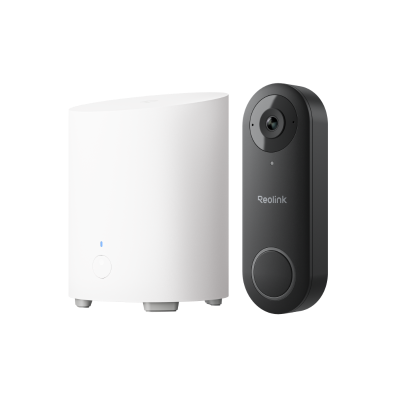
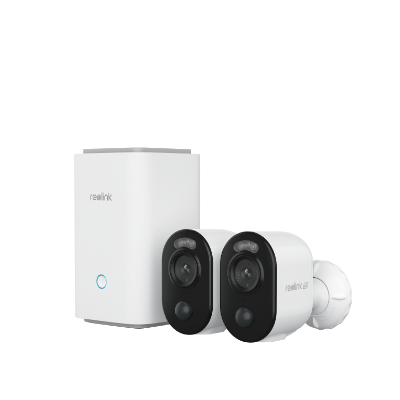
1. Deploy a Comprehensive Smart Camera System
The most effective deterrent against package thieves and property trespassers is visible, high-definition surveillance.
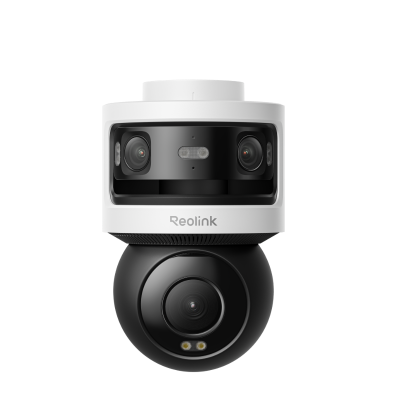
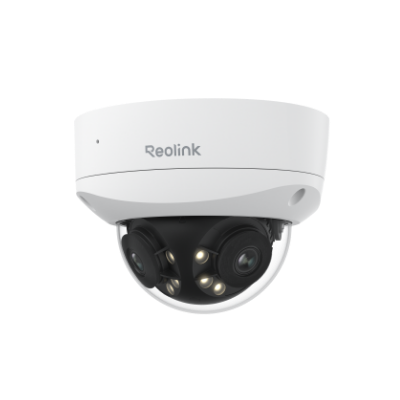
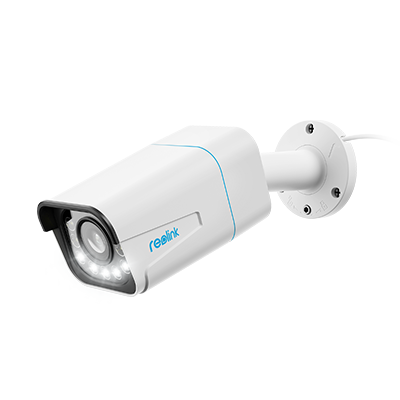
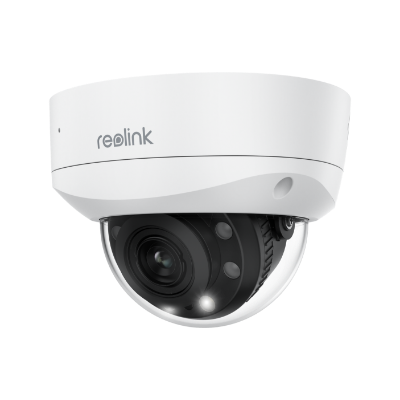
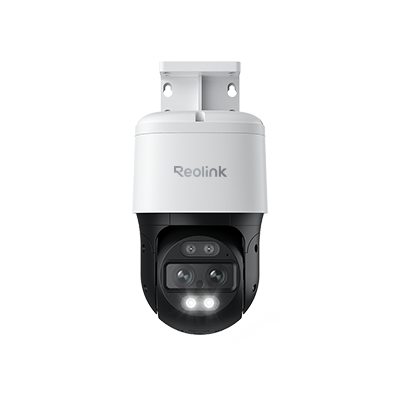
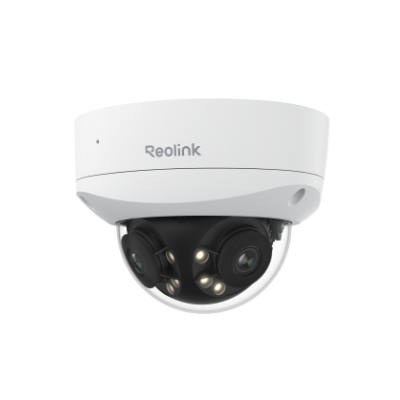
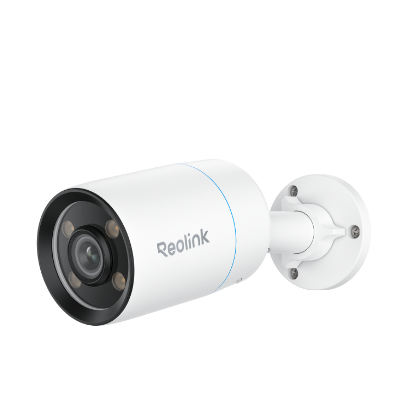
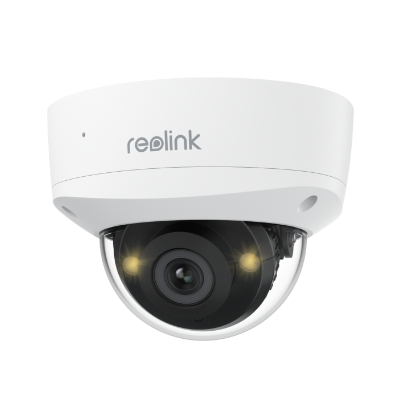
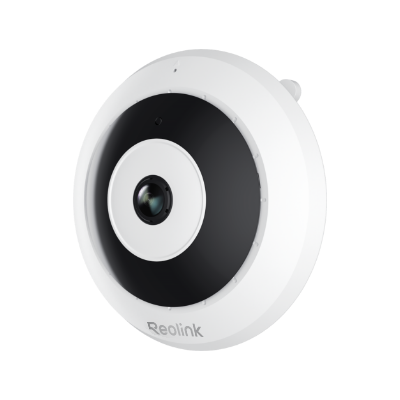
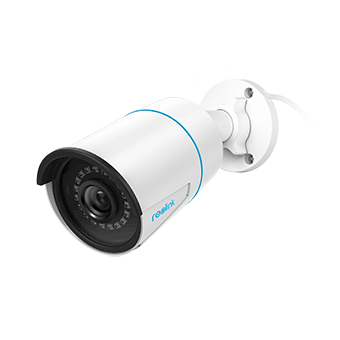
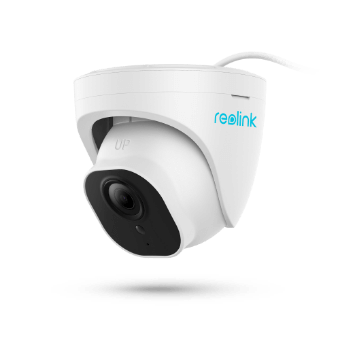
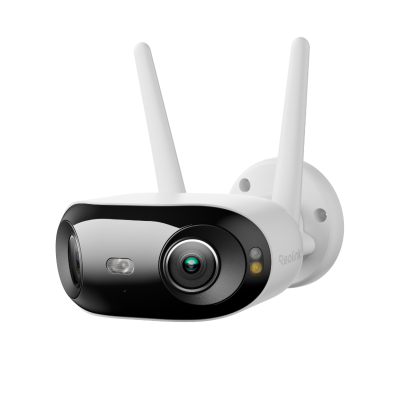
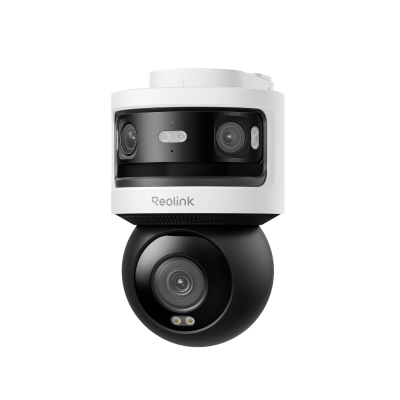
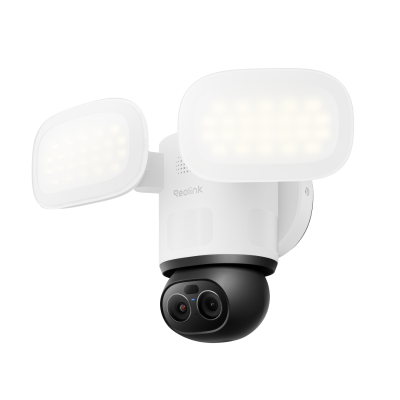
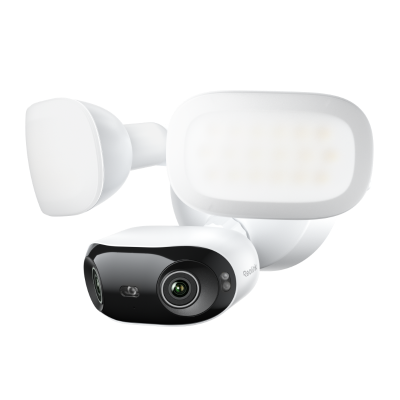
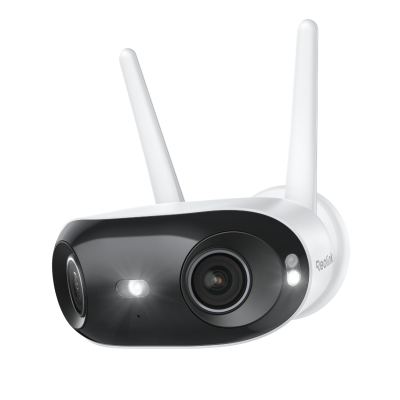
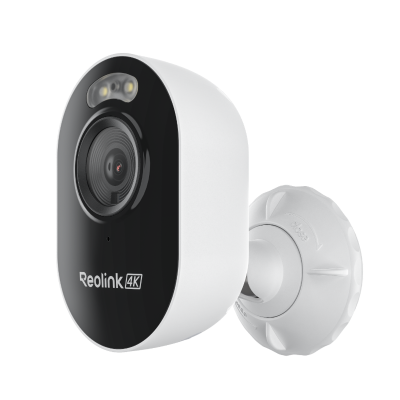
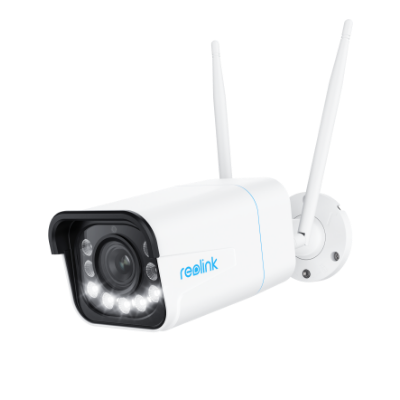
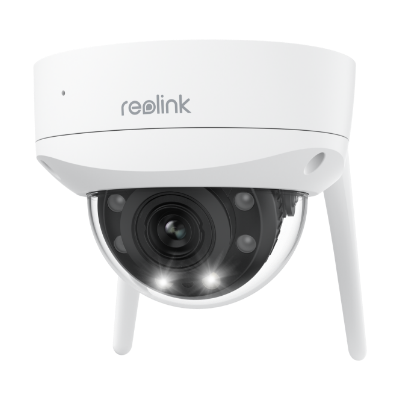
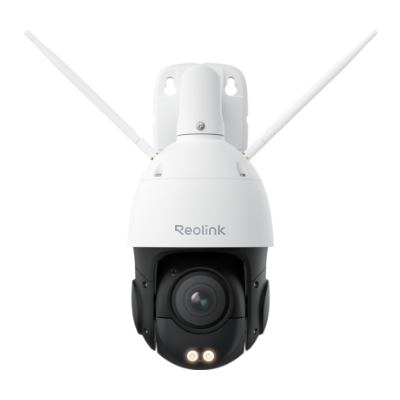
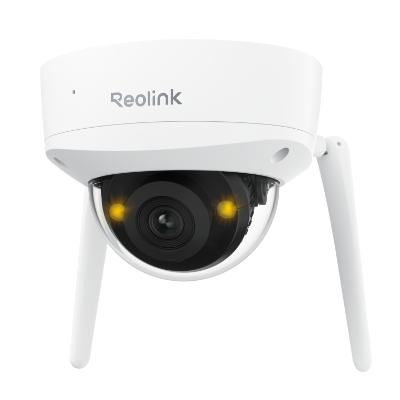
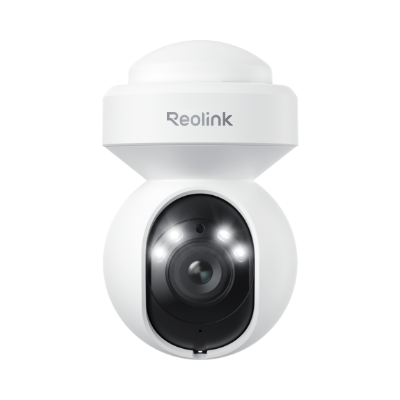
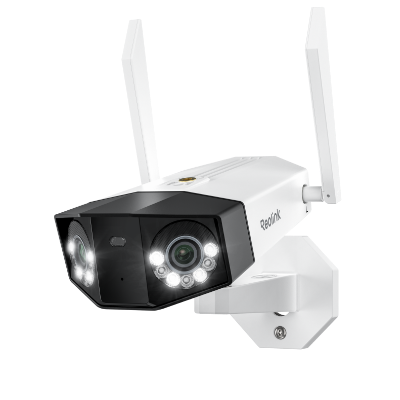
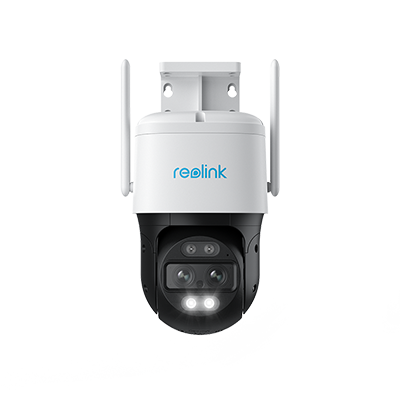
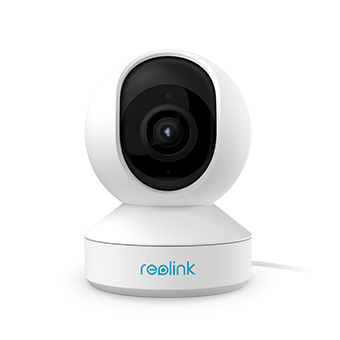
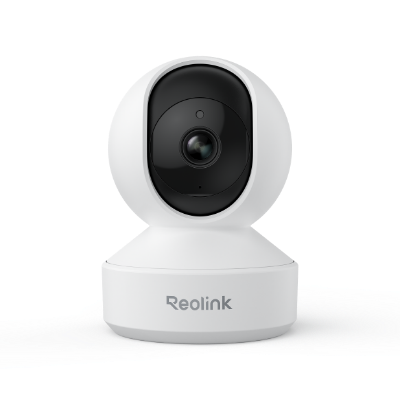
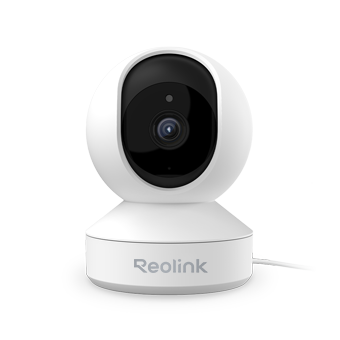
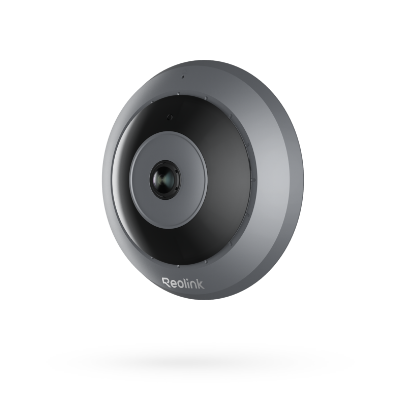
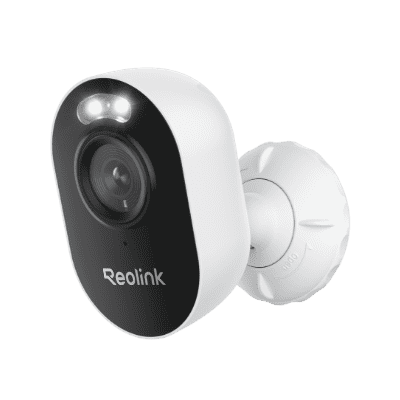
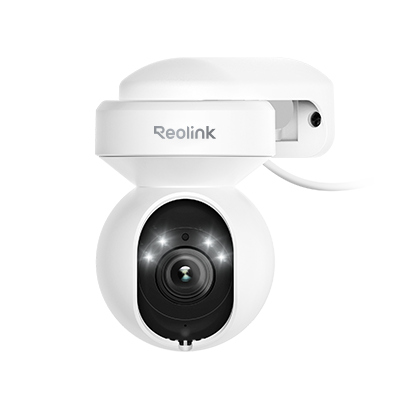
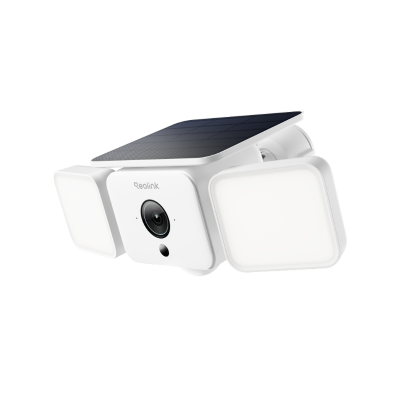
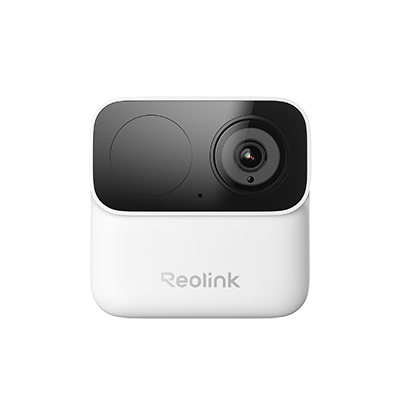
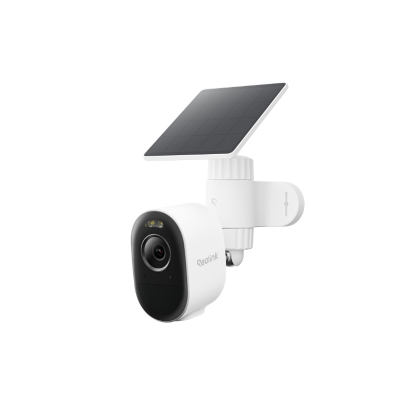
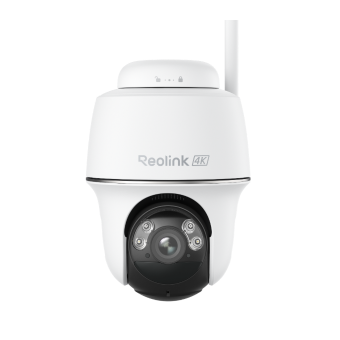
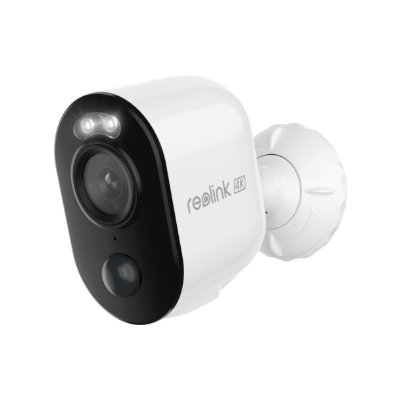
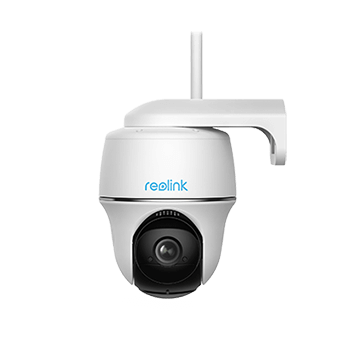
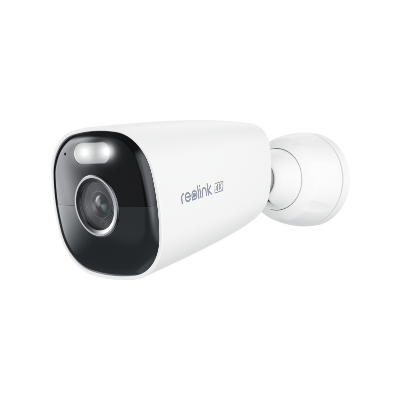
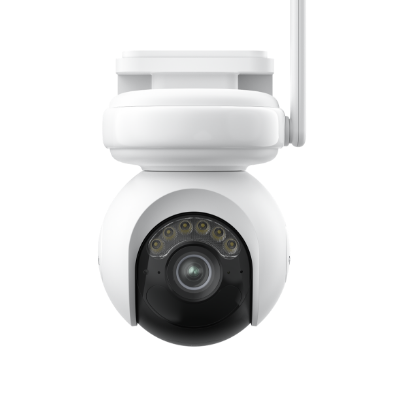
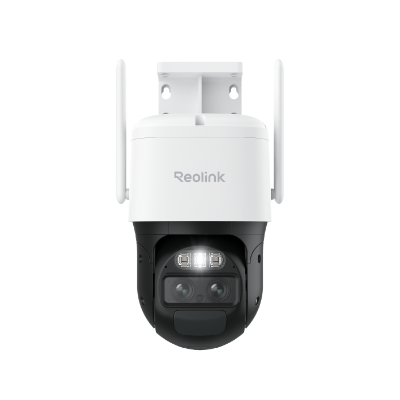
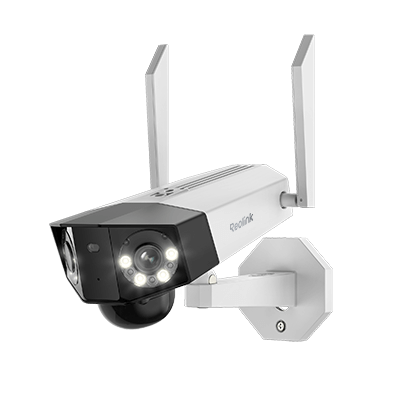
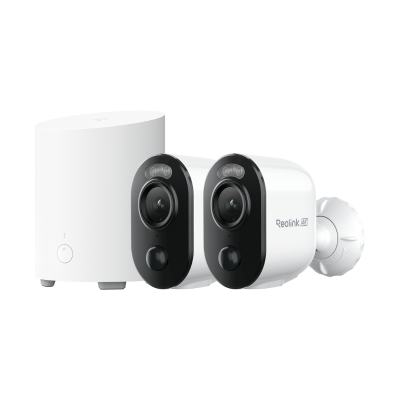
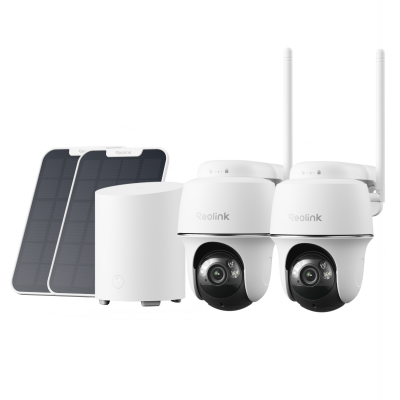
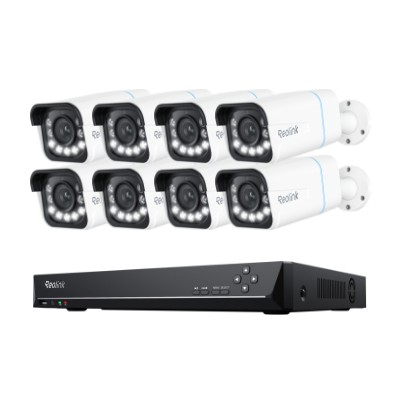
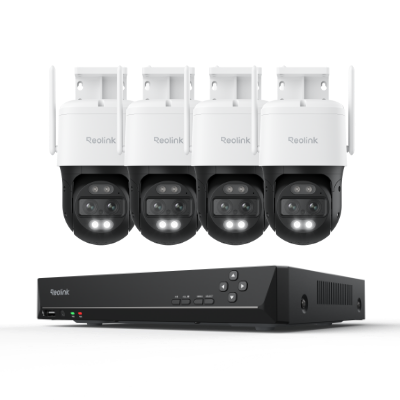
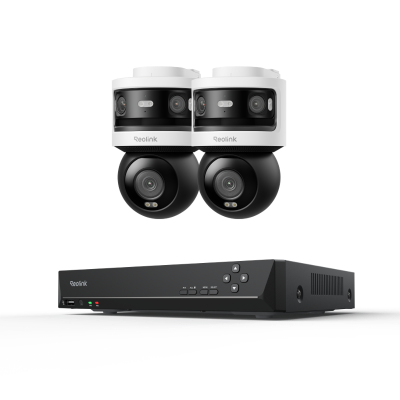
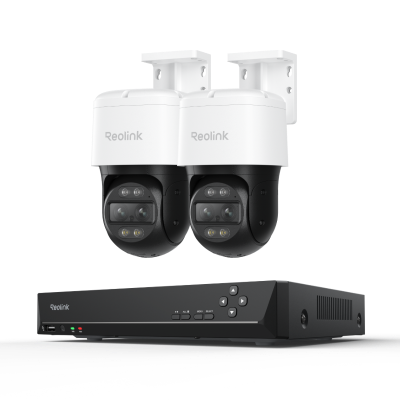
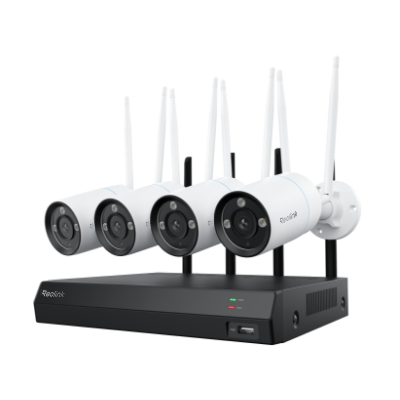
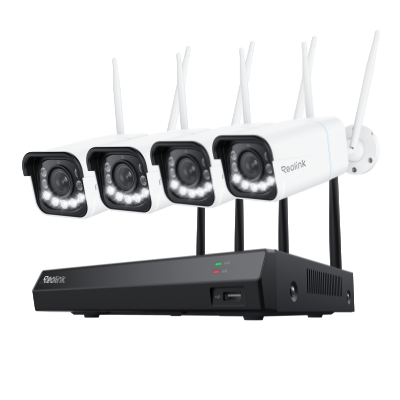
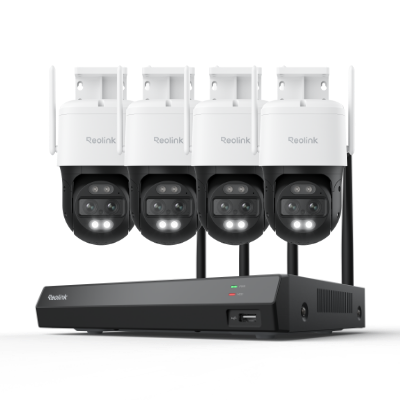
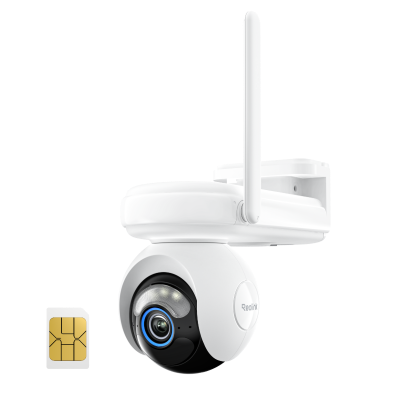
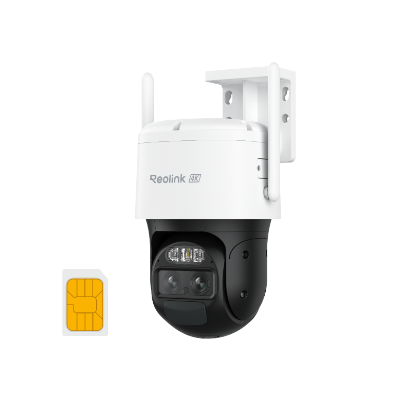
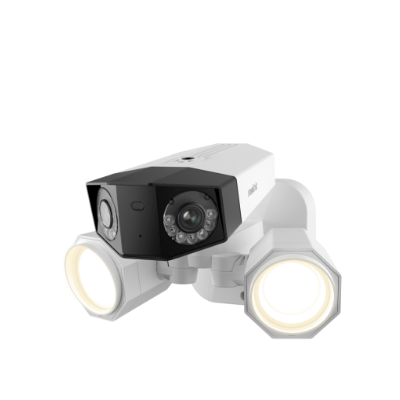
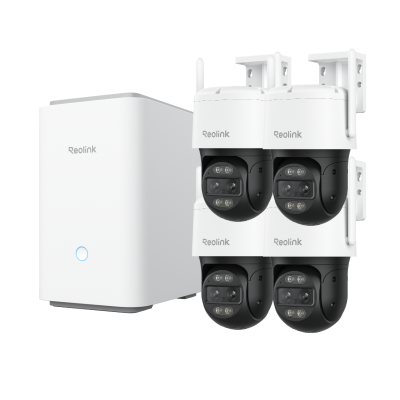
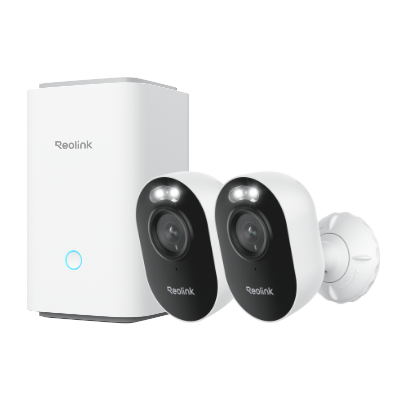
Invest in a modern ecosystem like the Reolink OMVI 3i PoE. Setting up an interconnected array of triple-lens cameras equips your property with crystal-clear day and night vision, onboard AI motion detection to filter out false alerts, and local storage backups. Position cameras at primary entry paths and clear vantage points overlooking where deliveries are dropped off.

All-in-one Triple-Lens 180° Panoramic Pan-Tilt Security Camera
10MP Dual-Lens 180° View, 4K 360° Full Coverage, SyncTrack with auto framing & auto tracking, Local Storage (No Monthly Fees), Local AI Video Search.
2. Upgrade to Smart Video Doorbells and Remote Locks
Unsecured entry points and vulnerable front porches are primary targets for urban property crime.
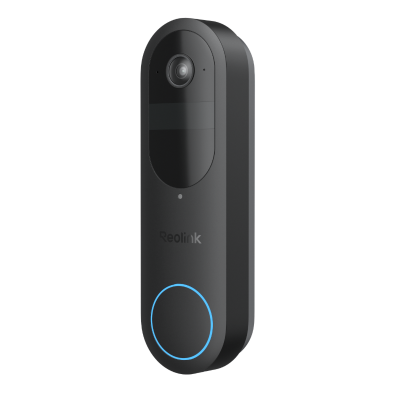
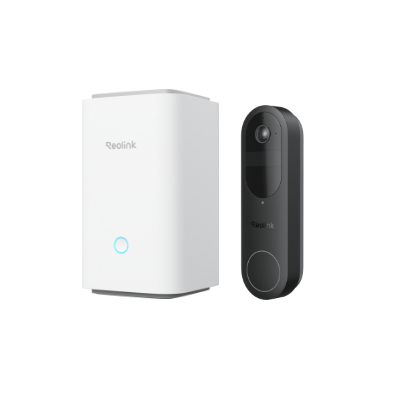
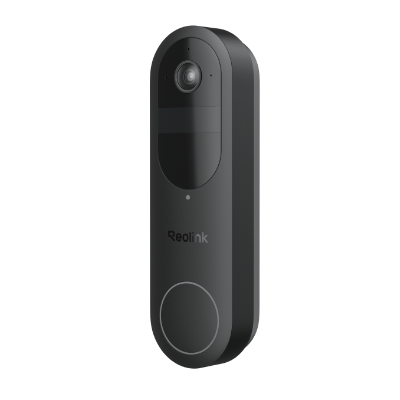
Replace traditional hardware with a video-enabled smart doorbell paired with a remote smart lock. This combination allows you to visually verify and speak with delivery drivers, neighbors, or service workers in real time from your smartphone—whether you are upstairs or across the country. It also eliminates the dangerous habit of hiding physical spare keys outside your home.
3. Practice Strict Digital Discretion
Burglars frequently use open-source intelligence—like public social media accounts—to identify vacant homes.
Refrain from posting real-time vacation photos, flight check-ins, or countdowns to upcoming travel plans on public social media feeds. Wait until you have returned home to share your travel experiences, ensuring you don't inadvertently advertise an empty property to local opportunistic thieves.
4. Monitor Micro-Local Safety Trends
Seattle's crime landscape is highly fluid, with specific localized trends (like a sudden spike in car break-ins or porch piracy) shifting from week to week.
Dedicate a few minutes each month to review local precinct updates via the Seattle Police Department (SPD) Crime Data Dashboard or community-verified networks. Staying informed allows you to adjust your routines proactively—such as modifying where you park your vehicle or adjusting delivery times—before an issue impacts your household.
FAQs
Which area of Seattle is the safest?
Magnolia and Queen Anne are two of the safest neighborhoods in Seattle. This is because of their low crime rates, welcoming atmospheres for families, and outstanding amenities.
What is the best neighborhood to stay in Seattle as a tourist?
Ballard and Queen Anne are excellent tourist destinations because they are charming, safe, and have plenty to offer. Both neighborhoods have a calm ambiance and are conveniently close to downtown Seattle.
Conclusion
Seattle has a variety of safe neighborhoods that come with their respective lifestyles and preferences. One can conduct research on crime data, interact with local communities, and follow safety tips to find a fitting area to call home. The safest neighborhoods in Seattle will provide comfort and enjoyable experiences, whether you are looking to move or visit.
Search
Subscribe for the Latest Updates
Security insights & offers right into your inbox