
Most Dangerous Roads in the World in 2026
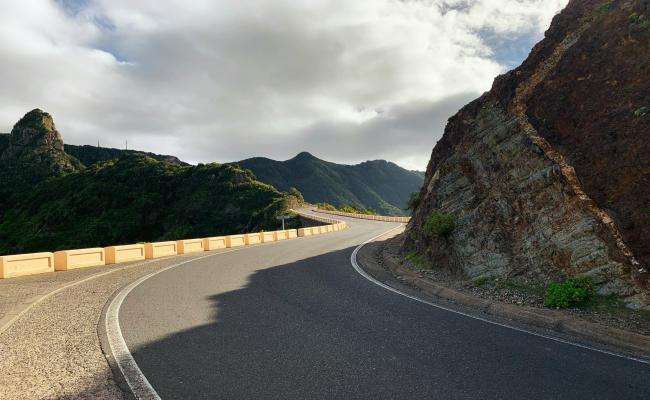
New crash statistics continue to indicate that there are several highways that are a source of much pain compared to others. Such roads continue to take the grim lead in 2026, and with increased traffic, the danger only increases exponentially.
It is a guide to make you understand how any ordinary lane can be the deadliest road in the world, a comparison of the twenty-five most dangerous roads in the world, and it finishes with some simple advice on how to be safe.
How We Define the Most Dangerous Roads in the World?
Before ranking any highway, we need fair rules. A road moves higher on the danger list when its shape, weather, and driving habits all work against safety.
-
Crash numbers - A number of years of fatal and severe wrecks of one mile paint a stable image and prevent one-day spikes.
-
Road type - There are narrow lanes, blind turns, precipitous declives and cliff precipices, which cannot be negotiated.
-
Threats of climate - Snow, fog, rockfalls, flood waters, and a sudden spin can change a slip that otherwise would be simple into a death spin.
-
Maintenance and markings - Lost guardrails, deterioration of paint, and deep potholes reduce the reaction time and decrease safe space.
-
Driver behavior - Acceleration has faster speed, drowsiness, and cell phone boosts all other risks already inherent in the road.
10 Most Dangerous Roads in the World
Many reports repeat wild tales, yet hard figures point to the same top tier. The next ten headings name highways that mix hard ground, harsh sky, and heavy traffic in a way that keeps rescue crews busy.
1. North Yungas Road
This cliff pathway falls approximately 3,600 meters between the cool cloud forest and the hot jungle floor. Rain gnashes the margin, fog conceals oncoming buses, and a two-way traffic is compressed in a single withered path. Drills are excavated by Crews, but the storms sever new gullies in a few weeks. Bike tours continue to be in pursuit of thrills, and rescue teams drag wrecks out of the gorge nearly on a monthly basis.
2. Karakoram Highway
Workers paved the world’s highest border road across brittle slopes. Rockslides pound the surface in summer, and snow plows through tunnels in winter. Drivers fight thin air, stray goats, and long truck convoys. Big repair jobs run each year, yet the range never rests, so the risk stays sharp.
3. James W. Dalton Highway
Oil-field trucks shake this 666-kilometer haul road. Arctic blizzards cut sight to a few feet, and fuel stops sit far apart. Ice grips long downgrades that lead toward frozen rivers. Crews spread gravel, but flying chips crack windshields and shred tires.
4. Guoliang Tunnel Road
Villagers carved a tunnel through sheer rock, leaving rough windows above the valley. No lights hang inside, so drivers rely on headlamps that flash off wet stone. Tour buses jam the single lane; one wrong move can block both ends for hours. Rain drips in and makes slick spots that betray newcomers.
5. Kolyma Highway
Locals call it the Road of Bones. Permafrost heaves each spring, cracking the track wide open. Minus-60 °C air kills engines fast, and towns sit hundreds of miles apart. One simple breakdown can turn into a fight against wolves and wind.
6. Skippers Canyon Road
The rental companies require a permit as they will not be insured to take this route. He has a gravel ribbon above the Shotover River that does not have a guardrail and has an almost insufficient space to pass through. Should two vehicles collide, one will have to reverse five hundred yards. Rain turns bends into mud slides, which drag wheels off the edge.
7. Zojila Pass
This is a 3528 meters path connecting Srinagar and Leh. One broken lane is contested by army jaws and tourists clattering vans and by grass herds of sheep. The road gets covered by snowstorms within a few minutes, and entire parts are removed by avalanches. In the sky, there is a screaming stop, and the bulldozers continue their work due to the necessity to keep the borders open.
8. Atlantic Ocean Road
There are eight bridges that pass between islands. Crowds of people go after views of postcards in summer, and in winter wrath of the storm blows the waves over the deck. The cross winds move the light cars to the left, and the black ice is covered with salt spray. Employees see rust throughout the year, but seawater still causes minor battles.
9. Taroko Gorge Road
Raised above a narrow strip of tarmac are marble cliffs. There are quakes and typhoons that shake certain rocks that crash into the traffic. There is no shoulder in tunnels, hence any failure stops the entire line. Dark tubes are occupied by scooters, buses, and walkers, which are associated with a small number of lamps. Increased rains cause the officials to close the road, but most tourists bend through the barriers.
10. Tianmen Mountain Road
Eleven kilometers of the 1,100 meters ascent comprise nine bends. There are concrete rails in place, yet driver speedsters cut corners and crash head-on. In a few minutes, thick fog arrives, and lightning-speed shuttle buses can help you set the pace, which people observing them struggle to keep up with.
Comparison Table of 25 Most Dangerous Roads in the World
Ten names do not show the full map of risk. The next table widens your view and scan it before planning any dream drive.
What Make These Roads Extremely Dangerous?
Readers often ask why danger gathers in the same spots year after year. A short link here answers that question and slides into the deeper causes.
Steep terrain
Mountain roads climb or fall fast. Engines lose power in thin air, and brakes overheat on long drops. One missed shift can stall a car, and one hot rotor can fade to metal. Gravity does not forgive slow moves.
Unstable climate
Storms, freezes, and sudden rain beat the surface day and night. Water creeps into cracks, then ice pries them wider. Rockfalls and mudslides follow hard rain, blocking lanes and sweeping cars away within seconds.
Limited upkeep
Many remote roads see repair crews only after a disaster hits. Guardrails rust, paint wears away, and potholes grow deep enough to trap wheels. Drivers swerve around damage and create new crash paths.
Risky driving culture
Speed, phones, and tired eyes travel with people, not land. Local drivers know each bend and push harder; visitors copy without the same memory. Heavy trucks add weight and tall loads, raising the rollover odds on sharp curves.
Safety Tips for Driving on the World’s Most Dangerous Roads
Risk never drops to zero, but good habits push it down. Here are some of the safety tips for driving on the world’s most dangerous roads.
- Plan for daylight – Clear the worst stretch before sunset when holes and animals hide in the dark.
- Check the car – Test brakes, tires, fluids, and lights before leaving; repair shops may sit hours away.
- Watch the sky – Delay if heavy rain, snow, or strong wind is due; patience beats flares.
- Slow for corners – Enter bends under control; climbing back from a slip takes more time than reaching a view.
- Give big rigs room – Trucks need long stops and drift wide; stay back rather than honk.
- Pack survival gear – Carry water, food, warm clothes, and a charged beacon; a breakdown then feels like a camp, not a crisis.
- Use a car security camera – Dashcams help record accidents or near-misses, provide evidence in emergencies, and give extra peace of mind on risky roads.
FAQs
What are the top 10 most dangerous roads in the world?
North Yungas Road, Karakoram Highway, Dalton Highway, Guoliang Tunnel Road, Kolyma Highway, Skippers Canyon Road, Zojila Pass, Atlantic Ocean Road, Taroko Gorge Road, and Tianmen Mountain Road still head the list of the most dangerous roads.
Where is the most dangerous road in the world?
The majority of experts retain the name as the North Yungas Road in Bolivia. Slippery roads, or much precipitation, poor gravel shoulders, and conglomerate groups of buses, trucks, bicycles, and pedestrians stress the annual death rates higher than anywhere in recorded history.
What is the deadliest street in the world?
Changing the subject to urban cities, BR-116 in the vicinity of São Paulo usually becomes the number-one deadliest street. There is heavy traffic, nonstop commuters, a lack of illumination, and congested streets. Speed collides with weight within a small area, and even trifles of slipping will result in life and death accidents.
Conclusion
Dangerous highways stir the mind, but numbers prove the threat. We checked crashes, land, weather, upkeep, and driving habits to name the deadliest road in the world and its closest rivals.
Study the tips above before you plan a scenic run, and pass this guide to friends who love sharp bends. Have you faced any of these routes? Share your story so the next reader learns before the next corner.
Search
Subscribe for the Latest Updates
Security insights & offers right into your inbox