
Is San Francisco Safe? Breaking Down Crime, Neighborhoods & Travel Tips
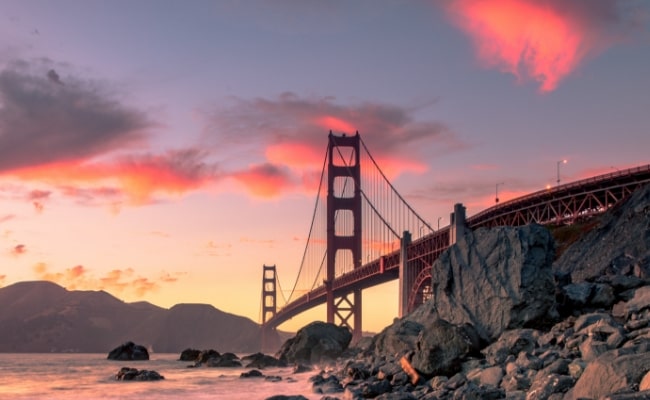
San Francisco still inspires wonder. The Golden Gate Bridge cuts through fog; cable cars rattle up Nob Hill. Yet a quiet question hangs in many conversations: Is San Francisco safe? Travelers, new residents, and even long-time locals type the phrase San Francisco safety into search bars and look for calm, credible answers.
This guide offers a careful walk-through of crime numbers, fire worries, street realities, and practical habits that keep a visit—or a life—secure. Expect clear facts, mixed with a few ordinary reactions, because cities seldom feel like neat charts.
Is San Francisco Safe?
Safety in San Francisco sits in a middle zone. It is not the most dangerous big city in the United States, yet it never feels as quiet as a small coastal town. Violent crime levels hover close to the average for large California metros. Property crime, especially theft from cars, runs higher than most tourists expect.
Is Union Square, San Francisco Safe?
As a combination of high-end stores, hotel lobbies, and brisk feet, Union Square tends to confuse and even amaze the visitor. During the day, the district is crowded yet not overwhelming; police and uniformed security guards can be found near the Powell Street cable-car turnaround. Grab-and-run thefts, shoplifting, and thefts of other products have come to the Daily News; however, the vast majority of them focus on products and not individuals.
Is San Francisco Safe from Fires?
Wildfire headlines sometimes blur regional maps. The city proper rests on a cool marine peninsula, separated from the dry North Bay hills that burn most seasons. Large wildfires rarely reach the urban core. Indoor fires do occur; tightly packed Victorian homes and apartment buildings carry their own risks. The fire department responds fast; hydrants dot sidewalks every few yards.
How Safe is San Francisco?
Safety never stands on one leg. Think of it as a table with several sturdy supports—travel habits, neighborhood choice, transit options, even the water poured at lunch. With that small disclaimer, let us scan the main factors that shape the answer to Is San Francisco safe to visit for a short break or an extended stay.
Travel safety
Is San Francisco safe for tourists? Business visitors still fill downtown conference hotels each month. They walk to Moscone Center, carry badges, and rarely face violent threats. Petty theft, however, shadows luggage wheels. An unattended tote disappears from café chairs quicker than one expects. Most hotels now post polite reminders near the elevator: keep valuables on your person, not in parked cars.
Neighborhood safety
The low crime profile is evident in some of the regions. There are stroller-friendly blocks, night porch lights, and dog walkers saying hello by name in Noe Valley. Outer Richmond and Sunset remain fairly quiet due to the protection offered by residential grids and a smaller number of nightlife opportunities.
On the other hand, some areas of Tenderloin struggle with drug trafficking in the open, mental health emergencies, and an increased number of violent crimes. The Mission is a blend of colorful taquerias, street art, and places where assaults peak past midnight. SOMA alternates between the tech offices and the secluded alleys under freeway ramps where cars are broken into regularly. If you happen to live in a high-crime neighborhood, consider installing a visible security camera to help deter potential intruders and protect your home.

2K Pre-recording Bullet Camera with a Long Lasting Battery
2K 10s Pre-recording ; ColorX Night Vision; 20,000mAh Battery; Dual-band Wi-Fi 6.
Transportation safety
Bay Area Rapid Transit (BART) trains link the airport to downtown in about thirty minutes. Stations see consistent patrols but also experience phones snatched near doors that close quickly; holding a device away from doors reduces loss. Muni buses operate twenty-four hours. Drivers often know repeat riders and call inspectors when disturbances flare.
Drinking & food safety
Tap water flows from the Hetch Hetchy reservoir in the Sierra, reaching faucets among the purest in the state. Restaurants pass county inspections displayed near entrances; closures for violations happen, but reopen fast after fixes. Alcohol laws match the rest of California; bars shut their doors at 2 AM. A city's effort to curb drink spiking led many venues to train staff on spotting odd behavior.
Crimes in San Francisco: Overview & Trends
Crime statistics paint broad strokes; lived moments fill in the edges. Still, numbers anchor the discussion. Official reports for the year ending December 2024 show patterns worth noting. Property crimes outnumber violent incidents by a wide margin, explaining the constant talk of car glass on asphalt.
- Violent crime count averaged 6.7 incidents per 1,000 residents. This figure includes assaults, robberies, rapes, and homicides. While close to Los Angeles levels, it trails Oakland’s rate by about two points.
- Homicides totaled 56 citywide in 2024. The number climbed slightly from 53 the prior year, yet stayed below the early-2000s peak above 90.
- Property crime stood at roughly 53 incidents per 1,000 residents. The largest slice involved larceny-theft, particularly smash-and-grabs from parked cars near scenic overlooks.
- Auto burglaries reached about 22,000 reported cases. Although that seems huge, the total was actually two percent lower than 2023.
- Commercial burglary spiked eight percent. Empty downtown retail spaces created targets after business hours. Union Square saw high-profile break-ins that drew national headlines despite overall violent crime around the plaza staying flat.
How to Stay Safe in San Francisco?
No city reveals a single manual, yet certain habits reduce risk reliably. A short reflection first: people sometimes overthink gadgets and apps while ignoring plain habits. Consistency wins.
- Mind the bag. Keep backpacks zipped and purses forward-facing on crowded transit. That tiny adjustment blocks quick unzips by skilled fingers.
- Hide items before parking. Stow laptops, cameras, and even charging cords in the trunk before reaching scenic viewpoints. Thieves watch for last-minute hiding moves.
- Stay on lit arteries after dark. Market, Columbus, and Fillmore maintain lively storefronts; smaller alleys empty fast and amplify risk with each dark doorway.
- Use hotel safes for passports. Replacing a stolen passport at the downtown federal building drains a day that most travelers prefer to spend along the shoreline.
- Call a rideshare when tired. Fatigue saps alertness. A five-minute wait for a car beats a twenty-minute shuffle past shuttered storefronts.
FAQs
Is San Francisco safe for tourists now?
Yes, within limits. Violent crime against visitors remains uncommon. Petty theft shows up more often, especially near parked cars and crowded transit. Travelers who plan routes, keep valuables secure, and avoid isolated blocks late at night usually explore without incident.
What areas to stay away from in SF?
The southeastern slice of the Tenderloin—around Turk and Leavenworth—records higher assault figures. Sections of the Mission east of Potrero Avenue see more robberies after midnight.
Is there a crime problem in San Francisco?
Crime exists, and property offenses stand out. Yet the word “problem” depends on perspective. Residents who compare current rates with the early 1990s note large improvements.
Is San Francisco a safe city to live in?
Thousands thrive here. Tech employees bike to work, chefs close restaurants past midnight, and students crowd late buses. They navigate risk with routine measures and choose housing in calmer neighborhoods when possible. Safety varies by budget and schedule, yet many long-term residents grow comfortable—and protective—of their blocks.
Conclusion
So, is San Francisco safe? The answer, though never tidy, lands on cautious optimism. The city wrestles with property crime, while violent rates sit near big-city averages. Certain neighborhoods shine; others struggle. Fires rarely threaten the core; everyday street smarts matter more.
Visitors who read these notes, keep valuables hidden, and stay alert, discover that San Francisco safety often feels like common-sense travel safety, dressed in fog and framed by bright bridges. Share thoughts below—does the city’s balance of beauty and risk surprise, worry, or simply fascinate?
Search
Subscribe for the Latest Updates
Security insights & offers right into your inbox