
Is Manchester Safe? What You Need to Know for Your Safety
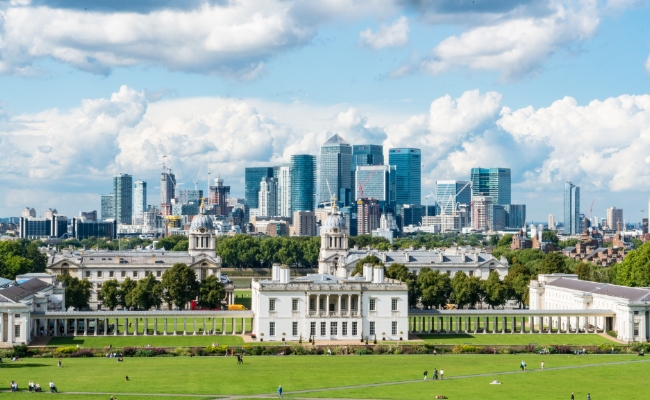
To determine whether Manchester is safe or not, we need to examine the city's crime rate. Not only that, but we also need to be aware of common crimes, the most dangerous areas, the safest areas, and other important details to ensure our safety.
In this article, we will review the latest crime statistics for Manchester. We will explain how safe it is at night and compare different regions. We will also share some safety tips that visitors and residents can consider.
Is Manchester Safe?
The crime rate in Manchester is extremely high, making it the most dangerous of all English metropolitan boroughs. By the first quarter of 2025, the total recorded offences (excluding fraud) in the previous 12 months were 147.02 per 1,000 population.
The percentage difference from the last equivalent period is -9.5, which means the number of crimes has been reduced a bit. Approximately 68,516 victim-based offenses were reported, while 18,180 other crimes against society were recorded.
Is Manchester Safe at Night?
Manchester is not entirely safe at night due to its high crime rate. According to Numbeo, the safety of walking at night is 32.69, which is quite low. During the day, it is 62.72, which is much better.
It does have a vibrant nightlife, but with its own risks, such as alcohol-fueled incidents. Certain areas, such as Piccadilly Gardens, have been identified as crime hotspots at night. Violent and sexual offenses are the most recorded. Extra precautions are needed while traveling alone at night.
Common Types of Crime in Manchester
1. Violence Against the Person
Violent offenses consistently represent the largest statistical category of reported crime in Manchester, spanning localized altercations, domestic incidents, and late-night assaults.
- The Reality: Violent incidents represent roughly 27% of all recorded crime in the city, a metric that tracks about 38% higher than the UK national average. While serious seasonal street violence dropped following aggressive summer enforcement initiatives, knife crime and sharp-object injuries remain primary areas of focus for local safety patrols.
2. Theft and Retail Shoplifting
As a sprawling commercial capital, opportunistic property theft—specifically retail shoplifting and vehicle-related property theft—remains exceptionally high in shopping districts.
- The Reality: Theft offences make up nearly 20% of the city’s total crime share. While dedicated operations managed to reduce personal theft and vehicle break-ins by roughly 24% year-over-year, shoplifting remains a stubborn fixture on high streets, with police currently processing over 500 repeat retail offenders every single month.
3. Public Order & Antisocial Behaviour (ASB)
Due to Manchester's massive student population and dense concentration of nightlife zones like the Northern Quarter and Deansgate, public order disturbances are heavily recorded.
- The Reality: Public order complaints and general anti-social behavior combine to form roughly 10% of all reported police incidents. These disturbances are highly concentrated around weekend nighttime hours and transport hubs, frequently involving public intoxication, property defacement, and neighborhood noise disputes.
4. Criminal Damage and Arson
Vandalism, property destruction, and deliberate vehicle or bin fires represent a smaller but highly visible segment of property crime.
- The Reality: Accounting for roughly 6% of localized offenses, criminal damage tracks heavily in outer city boroughs and specific suburban hot spots. Local councils have increasingly countered these numbers by deploying automated number plate recognition (ANPR) grids and expanding public CCTV networks to flag offenders in real time.
Safest and Most Dangerous Areas in Manchester
Safest Areas in Manchester
Manchester’s crime rate is high without a doubt. However, there are some areas where the crime rate is slow, and they are considered safer than others.
Here are some of the safest areas in Manchester.
- Didsbury
- Chorlton-cum-Hardy
- Altrincham
- Sale
- Heaton Moor
- Monton
- Worsley
- Prestwich
- Whitefield
- Urmston
Most Dangerous Areas in Manchester
Some areas in Manchester are extremely dangerous, and they require extra precautions when travelling and passing by.
Here’s a quick list to remember.
- Moss Side
- Longsight
- Cheetham Hill
- Salford
- Beswick
- Blackley
- Openshaw
- Ancoats
- Wythenshawe
Safety Tips to Stay in Manchester
1. Urban Vigilance & Smart Route Planning
Navigating Manchester safely requires a conscious effort to minimize vulnerability to opportunistic street crimes, which frequently target distracted pedestrians.
- Keep Your Smartphone Stowed Away: When walking through high-traffic city zones like Piccadilly Gardens, Market Street, or near university corridors, resist the urge to look down at your phone or wear noise-canceling headphones. Muggers and phone-snatchers on e-bikes often target individuals who are visibly isolated from their surroundings.
- Stick to Well-Lit, Populated Paths: Stick strictly to busy, well-lit thoroughfares, especially when walking back to your accommodation at night from areas like the Northern Quarter or Deansgate. Avoid taking unlit canal paths, isolated alleyways, or dark park shortcuts, as these are historically prone to localized crime spikes.
- Pre-Check Localized Postcode Risk: Before booking a hotel, choosing a long-term rental, or exploring an unfamiliar outer borough, you can instantly check street-level incident histories using the Reolink Postcode Crime Checker. This free tool tracks real-time data across specific UK postcodes, giving you the tactical insight needed to avoid known hotspots.
2. Commuting Protocols & Emergency Contact Lines
Manchester’s public transport infrastructure—including the extensive Metrolink tram network and local bus lanes—is highly convenient but requires basic security hygiene during peak hours.
- Stay Alert on Trams and Buses: Keep a close eye on your bags and personal items while riding public transit, keeping zippers closed and wallets out of back pockets. Map out your transit route in advance, know exactly which stop is yours, and avoid lingering alone at isolated platform shelters late at night.
- Know Who to Call: If you spot suspicious behavior, experience non-urgent antisocial behavior, or need to report a localized property issue, dial the non-emergency police line at 101. In the event of an active crime, a physical threat, or any immediate danger, dial 999 for emergency dispatch without delay.
3. Fortifying Residential Security with Smart Tech
Because property damage, retail shoplifting, and residential thefts represent a combined bulk of localized neighborhood crime, deploying an intelligent perimeter defense for your home or business is essential.
- Invest in a Hardware-First Setup: To protect your property 24/7 without being trapped by ongoing operational costs, utilizing a dedicated security camera without subscription ensures that all your footage is processed and stored safely on local hardware inside your walls.
- Deploy Next-Generation Panoramic Tracking: For unparalleled perimeter coverage, the Reolink Duo 3V PoE is an exceptional fit for urban environments. It features a massive 16MP Ultra-HD resolution dual-lens array that stitches together a seamless, 180-degree panoramic view, eliminating the blind spots that traditional cameras miss.
- Vandal-Proof and Intelligent Protection: Encased in a heavy-duty, IK10 vandal-proof dome housing designed to withstand direct physical impacts, the camera features advanced on-device AI to track motion automatically and send real-time alerts straight to your smartphone. For a complete safety grid, complement your camera setup by locking daily valuables in a high-quality physical safe and integrating smart entry sensors and motion-activated smart devices around primary doorways.
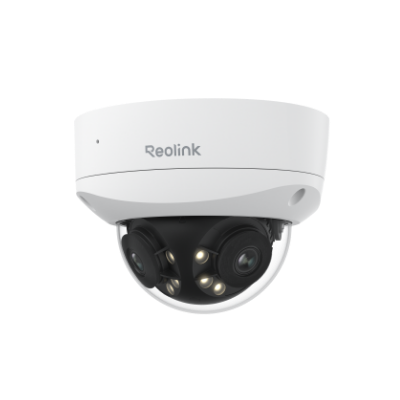
16MP Dual-Lens IK10 Vandal-Proof PoE Camera
16MP Ultra HD, 180° Panorama, Motion Track, IK10 Vandal-Proof, color night vision.
FAQs
1. Is London or Manchester safer?
London’s population is significantly larger than Manchester's, which is why there is a higher number of crimes. However, Manchester has a higher overall crime rate per capita, which makes it more dangerous than London.
2. Is it safe to travel to Manchester?
Yes, it’s safe to travel to Manchester. However, you need to be cautious. Take appropriate safety measures and avoid dangerous areas.
3. Is Manchester water safe to drink?
Yes, the tap water in Manchester is safe to drink. However, if you are in a public place, you must ensure that the water supply meets the required quality standards.
4. What are the cons of living in Manchester?
Some cons of living in Manchester are the high cost of living, harsh weather, limited public transportation, traffic congestion, and high crime rate.
Conclusion
Manchester’s crime rate is alarming. It’s higher than other English boroughs. We have shared recent crime data to help you understand the level of safety in Manchester. We have listed the common crimes recorded in the past 12 months and highlighted the most dangerous and safest areas in the city. After all, you need to ensure your own safety, so consider the safety measures we have shared.
Search
Subscribe for the Latest Updates
Security insights & offers right into your inbox