
Is It Illegal to Sleep in Your Car? Laws You Need to Know
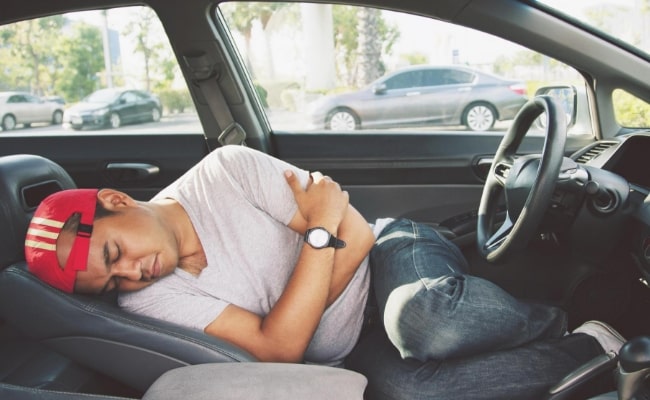
Driving all night or looking for cheaper housing makes sleeping inside your car necessary. The rules about sleeping in vehicles differ greatly from one state to another and between local governments. Understanding ‘is sleeping in your car legal’ will keep you away from legal consequences. Let’s take a look at whether is it illegal to sleep in your car.
Is it Illegal to Sleep in Your Car?
Sleeping in your car is not illegal under U.S. federal or most state laws. but it heavily depends on local laws. The law permits people to sleep in their cars while properly parking them in various parts of the United States. Many urban areas enforce regulations that stop people from sleeping in their cars on public roads or parking lots during nighttime. Local authorities put these rules in place to stop homeless people from creating camps on public spaces.
Sleeping in your car for short trips is usually permitted but living in it for long periods breaks local rules about vehicle habitation and camping. Local authorities enforce different rules that result in fines between $250 and $1000.
Is it Illegal to Sleep in Your Car in a Parking Lot?
Laws get stricter regarding parking lots. Most prohibit overnight parking, including big retailers like Walmart or 24-hour businesses. Parking enforcement may ticket your vehicle if caught after hours.
Many parking lots expressly forbid sleeping in vehicles even during the day. Signage may warn "No oversized vehicles" or "No living in vehicles allowed." Security may knock on your window and ask you to relocate off private property if discovered sleeping on site.
Is it Illegal to Sleep in Your Car in a Neighborhood?
Sleeping overnight in a residential area also risks violating local codes limiting parking duration or prohibiting camping. Homeowners associations often restrict parking of recreational vehicles, trailers, or oversized vehicles to maintain neighborhood aesthetics.
While a single night in a passenger car likely goes unnoticed, regular overnight parking eventually draws attention. Neighbors may complain about trash, noise, or bathroom needs associated with living in vehicles. It leads to posted restrictions, parking enforcement, or police asking folks to "move along."
Fines for repeat violations in the same area often increase with each ticket to dissuade long-term stays. Those unable to pay fines also risk vehicle impound or arrest in some jurisdictions.
Why Is It Illegal to Sleep in Your Car in the US?
Local governments cite several reasons for outlawing regular overnight sleeping in vehicles:
- Preventing semi-permanent homeless encampments on public streets
- Discouraging solicitation, littering, public urination or other nuisance crimes
- Maintaining aesthetics and property values in residential areas
- Reducing risk of vehicle break-ins or other crimes targeting those assumed to store belongings in cars
- Liability concerns if makeshift camps increase risk of fires or accidents on public property
Where Is It Legal to Sleep in Your Car?
Finding safe, legal places to sleep in a vehicle often proves tricky despite no universal ban. Consider these options to avoid fines when occasional overnight stays become necessary during travel:
- Highway rest stops - State-run rest areas along interstates allow car, RV, and semi-truck parking 24 hours (some states restrict stays longer than a day).
- Campgrounds / RV parks - These parks offer hookups and amenities for self-contained RVs. Many allow tent camping and will rent tent sites to vehicle campers too.
- Recreation areas - Parking lots serving hiking trails, lakes, beaches, ski resorts, etc, often allow overnight sleep to facilitate access to outdoor recreation areas.
- Private property - Friends or family may allow you to occasionally park overnight on their land.
- "Safe parking" programs - Some nonprofit organizations and city authorities offer safe, free parking lots for people living in their cars.
Where Sleeping in Your Car Is Commonly Prohibited or Illegal?
There are also places where sleeping in your car is generally not allowed.
- Commercial parking lots - In commercial parking lots like Walmart or 24 hour store, overnight sleep may be not tolerated. But authorization varies store to store.
- Public street - In many cities, local ordinances ban overnight parking or sleeping in cars in residential areas, near schools, or public parks.
- Areas with posted signs - Always obey signs indicating “No Overnight Parking” or “No Sleeping in Vehicles.” Violating these rules can result in fines or towing.
What States Can You Sleep in Your Car?
Laws limiting sleeping in vehicles vary significantly across different states and even cities or counties within each state. Specific overnight parking regulations depend on the jurisdiction. If you are wondering what states is it legal to sleep in your car, let’s take a look at some of those states:
California
Is it illegal to sleep in your car in California? No, California allows sleeping in vehicles on public streets for up to 24 hours in most municipalities. However, codes prohibiting using cars as living spaces still apply. Fines around $100 often accompany citations for violating posted parking limits or returning to the same area habitually.
But can you sleep in your car in California in residential areas? Certain California cities like Los Angeles, San Francisco, and San Diego enforce strict restrictions on vehicle residency with fines from $25 up to $1000. But occasional overnight sleep is usually permitted.
Florida
Is it illegal to sleep in your car in Florida? Yes, Florida state law prohibits living in vehicles. Many municipalities also forbid parking oversized vehicles or RVs on public streets overnight. You can expect fines around $500 if discovered violating these statutes.
Beach communities often prohibit overnight parking near shorelines. And stores uniformly prohibit overnight sleep in their lots. So finding a safe, legal place for more than a quick nap proves difficult.
Pennsylvania
Pennsylvania's Turnpike Authority allows car, RV and trailer parking in designated areas for up to 24 hours. But can you sleep in your car in Pennsylvania for more than 24 hours? No, in that case fines apply for longer stays. Pittsburgh allows legal street parking for up to 72 hours. Other municipalities restrict overnight vehicle stays or issue tickets for repeat violations.
Texas
Is it illegal to sleep in your car in Texas? No, Texas transportation code allows passenger vehicle parking legally on public streets for up to 24 hours. After that, local regulations may prohibit overnight stays or longer-term habitation deemed camping on public property.
Cities like Austin, Dallas, El Paso, Fort Worth, and Plano still issue $500+ fines for overnight sleeping inside vehicles after the 24 hour mark.
Virginia
Virginia expressly prohibits sleeping overnight at highway rest areas or waysides. Fines up to $250 apply per violation.
Local ordinances also forbid parking oversized vehicles, RVs or trailers on public streets overnight. And you must keep moving vehicles every three days. These laws intend to prevent semi-permanent encampments.
Ohio
Ohio law allows sleeping in vehicles overnight only at approved rest areas - basically highway truck stops. And stays longer than 24 hours, risk trespassing fines around $150+.
Cleveland, Cincinnati, and other cities also prohibit parking vehicles used as living spaces on public streets. You can expect penalties over $100 for overnight stays, with fines doubling for each repeat violation.
New Jersey
New Jersey has no statewide laws expressly forbidding sleeping in properly parked vehicles overnight. Atlantic City and Jersey Shore towns do prohibit overnight parking near beaches during peak season, however.
Many municipalities still ticket vehicles violating posted parking limits or ordinances against using cars as domiciles, so staying under radar remains important in residential areas.
Check out Reolink Wireless Security Camera System to safeguard your car and driveway. Enjoy wireless connectivity, subscription-free storage, and more!
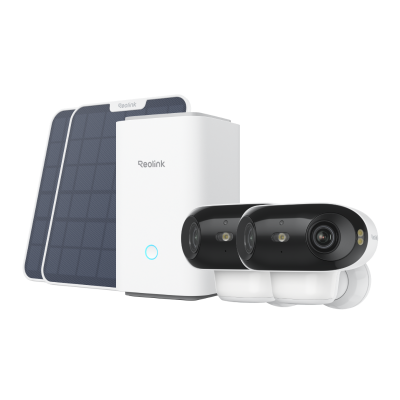
4K UHD Wi-Fi 6 Security System with 180° Blindspot-Free View
ColorX Night Vision, 1 Year of Local Storage, Exclusive Anti-Theft Algorithms, 180° Blindspot-Free Coverage, Expandable System Up to 8 Reolink Cams.
How to Sleep in a Car Safely?
Beyond figuring out local laws, safety and security also remain important considerations when sleeping in vehicles. Follow these tips to spend the night safely and undisturbed:
- Park under lights in busy areas to deter break-ins
- Use light blocking window shades for privacy
- Choose well-lit parking lots near 24-hour businesses
- Enable vehicle alarm system when parked
- Use a roof vent fan for ventilation to avoid condensation buildup
- Install portable security cameras with motion detection inside or use a garage security camera outside the vehicle
- Keep expensive items like laptops and GPS units out of sight
- Charge devices and maintain emergency power bank reserves
- Familiarize yourself with the closest police stations and hospitals
- Notify someone of parking location and check in with them periodically
FAQs
In what states is it legal to sleep in your car?
sleeping in your car is legal in some areas of most states, including parts of California, Oregon, Washington, Texas, and Florida, but rules differ by city and parking location. Always check local laws and posted signs.
What happens if a cop catches you sleeping in your car?
If a police officer catches you sleeping in your car, the outcome depends on local laws and the situation. You may:
- Be warned and asked to move.
- Receive a citation or fine for violating parking or loitering laws.
- Be towed if parked illegally.
- In rare cases, face arrest if trespassing or breaking other laws.
Can I sleep for a night in my car?
Yes, you can sleep in your car for a night in some areas, but it depends on local laws, parking rules, and the location. Public streets, private property, and commercial lots may have restrictions.
Can I sleep in my car at Walmart?
Walmart generally allows RV and passenger vehicle parking overnight. However, authorization varies store to store and you risk fines if caught sleeping in vehicles after hours. You should stay quiet, park away from entrances and leave early to avoid attention.
Conclusion
As housing costs continue rising faster than wages, more folks consider living out of vehicles due to economic necessity or wanderlust. However, laws limiting sleeping in cars aim to discourage semi-permanent encampments on public property and maintain neighborhood aesthetics preferred by homeowners and businesses.
What has your own experience sleeping in a vehicle been like? Do you feel current laws restricting vehicle habitation are too punitive given rising housing scarcity? Share your thoughts below.
Search
Subscribe for the Latest Updates
Security insights & offers right into your inbox