
Is Brixton Safe? A Detailed Analysis
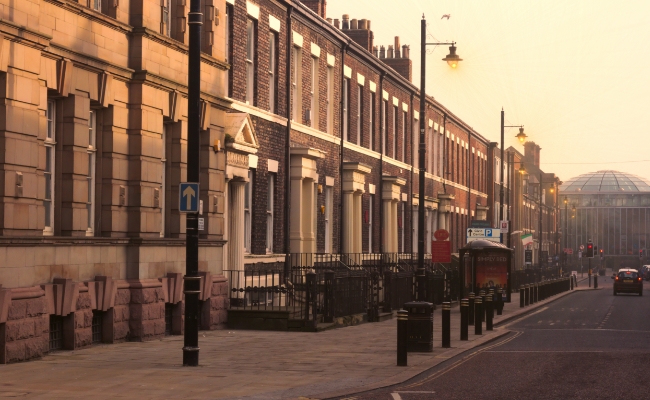
Despite being one of London's most dynamic neighborhoods due to its rich history, people still wonder, "Is Brixton, London, safe?"
This thorough guide examines crime statistics, safety trends, and practical precautions. We'll examine elements that improve security, identify prevalent offences, and compare the rates of violent and property crime in various locations.
Is Brixton Safe? Crime Rates Across Brixton
Different statistics show Brixton's violent crime rate remains 28% higher than London's average, with 32.7 reported incidents per 1,000 residents compared to the citywide 25.5 average. Property crimes exhibit a similar pattern, with Brixton recording 48.2 incidents per 1,000 residents, compared to London's average of 38.4.
Geographic analysis shows crime distribution varies dramatically within Brixton. The immediate vicinity of Brixton Station accounts for 22% of all reported crimes, with a violent crime rate of 38.1 per 1,000 residents. In contrast, the residential streets between Brixton Hill and Tulse Hill show rates closer to London averages.
Encouragingly, targeted policing initiatives have yielded measurable results. The Safer Neighborhoods program reduced street crime by 18% in its first year, while improved lighting along Atlantic Road decreased nighttime robberies by 27%. Burglary rates show the most dramatic improvement, falling 31% since 2020.
Common Types of Crime in Brixton
1. Violence and Sexual Offences
Mirroring broader trends across Lambeth, violent crime metrics represent the largest single category of reported offenses in the sector.
- The Reality: This combined category is highly prevalent, with 2,325 violence and sexual offences recorded annually in the Brixton area alone. This translates to a localized violent crime rate of approximately 43 incidents per 1,000 residents, which represents a minor annual increase compared to previous reporting periods.
2. Theft and Opportunistic Property Crime
Due to the massive volume of daily commuters and shoppers passing through regional transit junctions, opportunistic theft remains a constant challenge.
- The Reality: Pickpocketing, phone-snatching, and bicycle thefts are heavily concentrated around high-traffic public landmarks. Open-source data tracks these property crimes at a rate of roughly 48.2 incidents per 1,000 residents within the immediate vicinity of major commercial thoroughfares like Brixton Station and Atlantic Road.
3. Anti-Social Behaviour (ASB) & Public Order Offenses
Because of Brixton’s dense concentration of live music venues, bars, and late-night clubs, alcohol-related public disruptions make up a massive share of local policing efforts.
- The Reality: Depending on the specific ward layout, anti-social behavior represents a significant chunk of localized distress. For example, monthly police tracking shows that ASB accounts for up to 30% of all reported incidents in sections like Brixton Rush Common and Brixton Windrush, with a heavy skew toward weekend nighttime hours.
4. Drug Offences and Robbery
Because of its role as a key regional transit crossroad, targeted enforcement against street robberies and illicit drug possession remains a continuous priority for local Safer Neighbourhood Teams.
- The Reality: The borough of Lambeth overall features elevated risk indexing, frequently ranking as the third most dangerous borough in London with an average overall baseline of 103 crimes per 1,000 people. This elevated tracking has prompted continuous deployment of targeted public lighting and increased foot patrols to depress street-level robbery rates.
Factors Influencing Safety in Brixton
Multiple interconnected factors shape Brixton's safety landscape.
The £250 million Brixton Central regeneration project has transformed previously problematic areas. With wider pavements, better lighting, and active ground-floor commercial spaces, it has reduced reported incidents along this route by 39% since completion.
Community engagement plays an equally important role. The Brixton Guardians program trains local volunteers in conflict de-escalation, with 142 certified members now patrolling key areas. Their distinctive yellow jackets have become symbols of community safety, resolving over 1,200 potential incidents before police intervention was needed.
Business partnerships fund additional measures, including private security patrols. It supplements police coverage during peak periods.
The borough's new Smart Streets initiative installed additional HD cameras with AI-powered analytics that can detect unusual behavior patterns. Early results show a 22% faster police response time to incidents in covered areas.
How to Improve Brixton Safety
-
Public Programs: Public awareness campaigns and neighborhood programs can improve safety. These connect locals and law enforcement authorities to prevent crimes through education, job opportunities, and watch programs, among other initiatives.
-
Law Enforcement: Implementing better foot patrols, targeted policing in high-crime areas, and ensuring quick response times can help decrease the crime rate. Plus, addressing the root cause, such as drugs and gangs, is important.
-
Effective Reporting: Victims must be encouraged to report the crime as soon as possible. They should be provided with robust support to recover and encouraged to report in the future.
-
Urban Planning: Proper lighting, CCTV monitoring, traffic management, cleanliness/maintenance, and other urban planning and developmental projects can help in reducing the crime rates.
Safety Tips for Staying in Brixton
1. Smart Route Planning & Pedestrian Awareness
Navigating Brixton safely relies heavily on maintaining strong spatial awareness and staying on designated paths, especially after dark.
- Stick to Major Thoroughfares: When walking through the area, plan your route to utilize well-lit, heavily foot-trafficked main roads like Brixton Road or Effra Road, completely avoiding poorly lit alleys or isolated cut-throughs.
- Secure Your Belongings: In crowded areas like Brixton Market or near the high street, opportunistic phone-snatching and pickpocketing are common. Keep your phone out of sight, avoid walking while distracted by headphones, and consider wearing your backpack on your front in dense crowds to eliminate blind spots for thieves.
- Pre-Check Your Destination: Before heading out to an unfamiliar street or booking accommodation, you can instantly check localized incident trends using the Reolink Postcode Crime Checker. This tool allows you to input any UK postcode to review real-time crime data, helping you proactively avoid high-risk pockets.
2. Nighttime Transit & Commuting Best Practices
Brixton Station and its surrounding bus interchanges are incredibly busy, making nighttime commuting a scenario that requires a few tactical adjustments.
- Use Main Station Areas: If you are waiting for a train or tube at night, always wait inside the staffed, well-lit main concourse rather than lingering near isolated side entrances or dark exit stairwells.
- Opt for Designated Pickups: If you are using ride-hailing apps or traditional black cabs, arrange your pickup from designated, well-lit taxi ranks or main road pull-ins rather than waiting in dark side streets or random, unmonitored street locations where vehicle matching can be confusing and unsafe.
3. Fortifying Residential & Property Security
Home and commercial property security deserves special attention in Brixton due to elevated burglary and anti-social behavior metrics in the borough.
- Eliminate Blind Spots: Traditional security cameras often leave critical gaps along side gates or alleys. Deploying a wide-angle system like the Reolink Duo 3V PoE is particularly effective locally; its dual-lens design stitches together a seamless 180-degree panoramic view, doing the work of two traditional cameras without any image distortion.
- Prioritize Low-Light Identification: Brixton’s urban landscape features highly mixed, unpredictable street lighting. Utilizing cameras equipped with advanced color night vision ensures that if an incident or trespassing occurs, the system captures vivid, forensic-level detail—such as the exact color of clothing or a vehicle—providing actionable evidence that standard black-and-white night vision misses entirely.
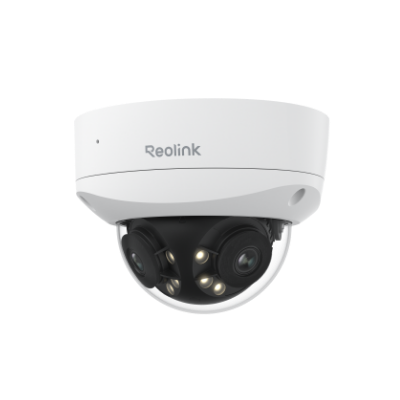
16MP Dual-Lens IK10 Vandal-Proof PoE Camera
16MP Ultra HD, 180° Panorama, Motion Track, IK10 Vandal-Proof, color night vision.
FAQs
Is it safe to walk around Brixton at night?
Main roads with active businesses like Brixton Road remain relatively safe, but avoid quieter residential side streets after midnight, especially when alone.
Is Brixton, London, safe for tourists?
Yes, with standard big-city precautions. Stay aware of crowds, secure valuables, and avoid displaying expensive jewelry or electronics unnecessarily.
Is Brixton a good place to live?
Many find that Brixton offers an excellent quality of life, though safety varies by exact location; research specific streets and visit at different times before deciding.
Is Brixton becoming safer?
Crime data show a consistent improvement, with overall offenses down 19% since 2020, attributed to regeneration, policing strategies, and community initiatives.
Conclusion
The data reveals Brixton is changing as a result of wise investment and community work. Although there are still issues in the city, the violent crime rate has decreased more quickly than the national average since 2021. In the upcoming years, even bigger safety improvements are anticipated due to the area's ongoing revitalization. Residents and visitors can now safely enjoy Brixton's unmatched cultural energy.
Search
Subscribe for the Latest Updates
Security insights & offers right into your inbox