
Is Aruba Safe? 2026 What You Need to Know
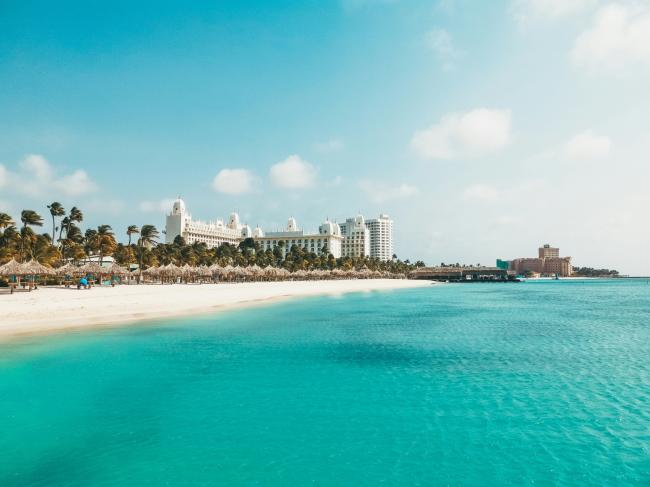
Travel safety matters. You plan a trip, you want facts. You want to know if is Aruba safe? In 2026, Aruba will remain one of the more stable spots in the Caribbean. It draws visitors with clear waters and soft beaches. Yet you still need to take steps to keep yourself secure. This article answers key questions. It covers crime rates, natural risks, food safety, and more. Read on to get a clear picture of Aruba's safety in 2026.
Is Aruba Safe?
Yes. Aruba is safe compared to many Caribbean destinations with a low violent crime rate (assault, armed robbery) of ~7.2 per 100,000. The local government works hard to protect residents and tourists. Police patrol major resort areas every day. You will see officers on foot near hotels, beaches, and shopping centers. They aim to respond fast if you need help.
That does not mean crime does not happen. Petty theft and minor scams occur, mostly in busy spots. Violent crime against visitors remains very low. You can feel secure walking after dark in most tourist zones. Still, common-sense steps help. Watch your belongings. Stay in well-lit areas at night. These small moves make your visit smoother.
Is Aruba Safe to Travel to?
Many visitors ask, “Is Aruba safe for tourists?” Yes. Tourists make up a big part of Aruba’s economy. The island depends on visitors spending money. That gives extra reason to keep resorts and beaches safe.
Local hotels and tour operators follow strict rules. They train staff on emergency plans. Resorts have security teams on site. You can take tours or rent cars with confidence. Roads are in good shape. Signage is clear in English and Dutch. You will find help points on major highways. So, whether you visit Palm Beach or Arashi, you can feel at ease.
How Safe is Aruba?
Every place has risks. Aruba faces some unique ones. Before you go, look at the main safety factors. They include crime, natural threats, and food and water concerns.
Crime rate
Aruba’s crime rate stays low by regional standards. Police recorded around 18 homicides island-wide according to latest data. With roughly 110,000 residents, that gives a homicide rate near 16 per 100,000. That sounds high. Yet most homicides happen away from tourist areas and involve known suspects.
Petty theft shows up more often. Grand theft auto and shoplifting claims about 5,000 incidents each year. With 1.5 million annual visitors, the risk to you as a traveler is small.
Natural safety risks
Aruba sits below the hurricane belt. You face a low risk of major storms. A tropical wave passed north of the island with no real harm. Rain tends to come in short bursts, then the sun returns. Flash floods in built-up areas can happen, but they clear fast. Roads drain well.
The island lies on a constant fault line, but earthquakes are tiny and rarely felt. You won’t need an earthquake plan. Aruba’s terrain stays flat. No steep cliffs or rugged trails that can catch you by surprise.
Drinking & food safety
Tap water in Aruba comes from reverse-osmosis plants. The government treats local seawater and brackish sources. You can drink from the tap without worry. Most hotels provide filtered water, too.
Street food stands sell fresh fruit and juices. They clean the equipment well. You can try them safely. If you have a sensitive stomach, stick to bottled water for drinks. Eat at places with high turnover. Busy stalls serve fresh food. Avoid stalls that keep items out in the sun for hours.
In resort restaurants, hygiene standards meet or exceed what you’d see in the U.S. Food inspections happen twice a year at each venue. Chefs handle shellfish, meat, and dairy properly.
Safe Places to Stay in Aruba for Tourists
Picking the right area helps you feel secure. Aruba offers options from high-rise resorts to small guesthouses. Here are some top choices:
- Palm Beach: Palm Beach draws the most visitors. High-rise hotels line the shore here. Security teams patrol 24/7. You will find easy access to shops and restaurants. Bus stops stand every few blocks. That makes it simple to return late after dinner or a show.
- Eagle Beach: A wider, quieter beach. Resorts sit back from the main road. You get calm vibes and firm sand. Nighttime noise stays low. Patrols cover the beach and hotel parking lots. Local bars close by if you want a nightcap. Yet they don’t stay open too late.
- Oranjestad: Aruba’s capital mixes urban life with beach access. You can stay in a boutique hotel in a restored Dutch building. Or pick a modern waterfront spot. Downtown offers safe walking streets, police on patrol, and ample lighting after dark.
- Noord District: This area lies between Palm Beach and downtown. It feels local, yet it stays friendly to tourists. You will find vacation rentals and small inns here. Streets run in a grid. That makes navigation easy. Local police keep an office open 24 hours.
- San Nicolas (hotel zone): The island’s east end sees fewer tourists. Resorts here cater to families looking for a laid-back vibe. You won’t find big crowds, but you get secure grounds and friendly staff. The area feels more remote, which some travelers prefer.
Aruba Safety & Travel Tips
You can take personal steps to stay safer. These tips work in Aruba and beyond. Always stay alert, but don’t stress too much.
- Use hotel safes: Most resorts give you a room safe. Store your passport, extra cash, and small electronics there. If you need cash during the day, carry only what you plan to spend.
- Stay in groups at night: Walking alone after dark is possible in many spots. Yet you feel safer in pairs or small groups. Choose resort areas with bright outdoor lighting or visible security cameras. Still, avoid empty side streets.
 Reolink Altas
2K Pre-recording Bullet Camera with a Long Lasting Battery
2K 10s Pre-recording ; ColorX Night Vision; 20,000mAh Battery; Dual-band Wi-Fi 6.
- Watch beach flags: Swim between red-and-yellow flags. No flags means no lifeguard on duty. Strong currents can pull you out fast. If you see a flag, obey it. Guards update flag colors based on real-time water checks.
- Carry a copy of your ID: Keep your driver’s license or passport info on paper or in a secure digital note. Show it if the police stop you. You don’t always need to show your main document.
FAQs
What is the safest Caribbean island to vacation on?
Cayman Islands and Aruba often top safety lists. Both have low violent crime and strong police presence. Aruba edges out many due to its location below the hurricane belt. That means fewer major storms. You still face petty theft, but violent crime stays low.
Is it safe to leave the resorts in Aruba?
Yes. You can leave the resort grounds safely in most areas. Shopping districts and beach bars stay secure. Yet exercise normal caution. Stay in well-lit areas at night. Avoid quiet streets away from the main drag. If you book a guided evening tour, go with a group.
Is Aruba or Puerto Rico safer?
Both islands are safer than most of the islands in the Caribbean. Puerto Rico experiences an increased number of visitors and incidents; it is just a matter of size and tourism levels. Aruba has an approximate 16 murders per 100,000, Puerto Rico has an approximate 9 murders per 100,000 by population, but there are increased chances of stray violence and looting in isolated regions. On the whole, Aruba has a more stable record of safety for tourists.
What should I be careful of in Aruba?
Be on alert about petty theft. Do not leave things unattended on the beach. Close the doors to cars and hotels. Pay attention to the water warning. Consume sufficient water and do not overexpose yourself to the sun.
Conclusion
Aruba is also a safer Caribbean destination in 2026. Tourist sites are not prone to violent crime. Theft is higher but of low magnitude. The natural threats, such as hurricanes and earthquakes, are not a great threat. The water that you consume is of high standards. Hygiene is well taken care of by food vendors.
Select a safe place to stay, like Palm Beach or Eagle Beach. Keep your valuables safe, swim in designated areas, and take licensed taxis. Be alert at night. There are some easy steps that save you the trouble.
Search
Subscribe for the Latest Updates
Security insights & offers right into your inbox