
How to Pick a Lock with a Card?
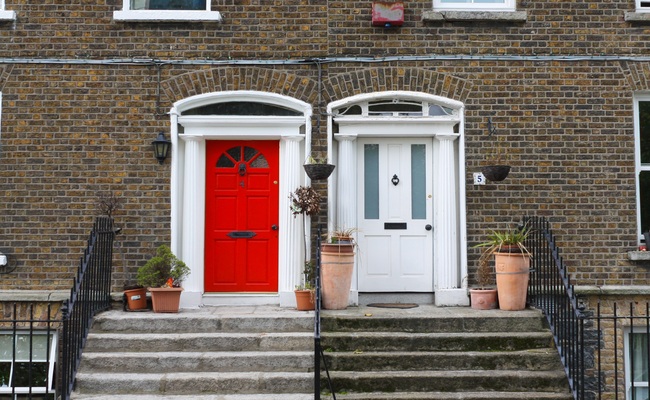
If you have locked yourself out of your house/room and have a card, you can try to unlock the door. It's a simple trick that could save you from calling a locksmith.
Let's see the step-by-step process of picking a lock with a card. We will explain how and when it works. We will also share some alternative options to try if this fails.
How to Pick a Lock with a Card?
This method only works on spring latch doors, the kind found on most interior bedrooms and bathrooms. It will not work on deadbolts or doors with an engaged privacy lock.
- Pick a thin, flexible plastic card you don't care about. An old gift card or expired membership card works best.
- Stand facing the doorknob on the side where the lock is located. You have a better chance if the door opens toward you, giving you better leverage.
- Slide the card into the vertical crack at the same height as the doorknob. Tilt it slightly downward to reach the slanted edge of the latch.
- Push the card as far in as it will go. Bend it back toward the door frame to slip behind the latch. Wiggle side-to-side with steady, graceful pressure.
- Once the card is behind the latch, push firmly while turning the doorknob. If you hear a click, the latch has retracted. Gently push the door open.
- It is normal not to succeed on the first try. Adjust the angle and try again. If it fails after several attempts, call a professional locksmith.
How Effective Is a Credit Card for Opening a Locked Door?
Using a credit card to open a locked door is technically called loiding or shimming. This technique uses a flat, flexible object to retract a spring-biased latch. It works on exactly one type of lock: the spring latch.
Spring latches are the slanted bolt mechanisms found on most interior bedroom and bathroom doors. When a door closes, the angled edge of the latch slides against the strike plate and automatically snaps into place. A credit card can mimic this action by pushing against that slanted edge, forcing the latch back into the door.
Success depends on three critical conditions.
- First, the door must have a spring-latch mechanism, not a deadbolt.
- Second, the latch must not be locked internally because privacy buttons or key locks block the mechanism.
- Third, there must be enough gap between the door and frame for the card to reach the latch.
Cons of Unlocking a Door with a Card
This method is not without risks. Before you try it, understand the potential downsides.
-
Damage to your card: Your card can get bent, scratched, snapped, or destroyed. You can use an old gift card. Your actual credit card with your name on it is a costly mistake.
-
Limited effectiveness: This move works on old, worn spring latches. But modern locks have anti-shim pins (deadlatches) that specifically prevent credit card entry. Advanced locks will completely resist this method.
-
Potential lock damage: Aggressive attempts can scratch the door edge or bend the latch mechanism. Plastic card fragments may get stuck inside the lock. If it doesn't work, call a professional rather than break the door.
-
Modern doors have tight seals: Newer homes have weather stripping and precise alignment that prevent card insertion. Modern doors are tightly sealed with minimal gaps. No clearance is the most common reason for failure.
Alternative Methods to Open a Locked Door
Here are other ways to get back inside. Try these in order from least to most destructive.
- Remove the hinge pins: Look at the hinge side of the door. Use a hammer and a small nail punch or screwdriver to tap the bottom of the hinge pins upward. Once the pins are removed, lift the door off its hinges entirely. This works even if the door has a deadbolt. You will need a helper to catch the door.
- Use a lockpicking set or bobby pins: This requires patience and practice. Insert the short end of a small Allen wrench into the bottom of the keyhole. Apply slight pressure to turn the lock slightly. Use an unbent paperclip with a small crook at the end. Push it in gently and lift upward in a scrubbing motion while increasing pressure on the Allen wrench.
- Drill the lock as a last resort: This is a destructive method. Use a 1/4 inch drill bit straight into the keyhole. This destroys the lock completely, and you will need to replace the entire doorknob afterward. Only do this if you have permission to damage the door.
- Call a professional locksmith: This is the safest and most reliable option. A licensed locksmith has specialized bypass tools and can open your door in minutes without causing damage. The cost typically ranges from $50 to $150 for standard daytime service. This is cheaper than replacing a damaged door or lock.
Bonus: How to Improve Door Lock Security?
The credit card trick exposes a real vulnerability. Any spring latch door could be opened by anyone with a plastic card. Here is how to protect yourself.
Install deadbolts on exterior doors: Deadbolts cannot be opened with a credit card. Install a Grade 1 or Grade 2 deadbolt on every exterior door. This is the single most effective security upgrade.
Check for anti-shim pins (deadlatches): Look for a small half-cylinder pin next to the main latch. When properly installed against the strike plate, this blocks credit card attacks. A quality knob-in-lock set has this mechanism.
Install a video doorbell for smart detection: The Reolink Video Doorbell WiFi helps you monitor the door from anywhere and record every moment in 5MP Super HD. You get real-time alerts if there is a person at the door. You can talk to the person directly.
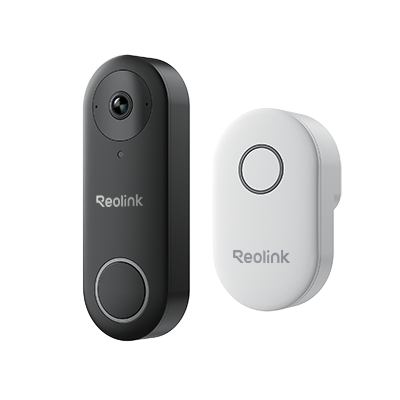
Smart 5MP Video Doorbell with Chime
5MP Super HD Day & Night, Person Detection, 2.4/5 GHz Dual-Band WiFi, 180° Diagonal Viewing Angle, Two-Way Audio, Rich Notification.
Tighten door alignment: Ensure doors close tightly with minimal gaps. Proper alignment lets the anti-shim pin do its job. Check that strike plates are installed correctly to minimize exploitable gaps.
FAQs
What is the easiest way to pick a lock?
Using a credit card on a spring latch door is the easiest method for beginners, but it only works on interior doors without deadbolts. For deadbolts, calling a locksmith is the safest option.
How to open a locked door without a key?
Try the credit card method on spring latch doors first by inserting the card between the door and frame near the latch. If that fails, remove hinge pins or call a professional locksmith.
How to prevent a door lock from being opened with a credit card?
Install deadbolts on exterior doors and ensure interior spring latches have functioning anti-shim pins. Keep door frames tight and properly aligned to eliminate gaps.
Conclusion
You can use a card to open a door lock, but it only works if the door has a spring latch. We have shared the step-by-step process that you can easily follow. Try to pick the lock, and you might not succeed on the first try. Just keep in mind that you might end up destroying the card. If this method doesn't work, try the alternative methods we have shared.
Search
Subscribe for the Latest Updates
Security insights & offers right into your inbox