
How to Get Rid of Raccoons: Effective & Humane Removal Tips
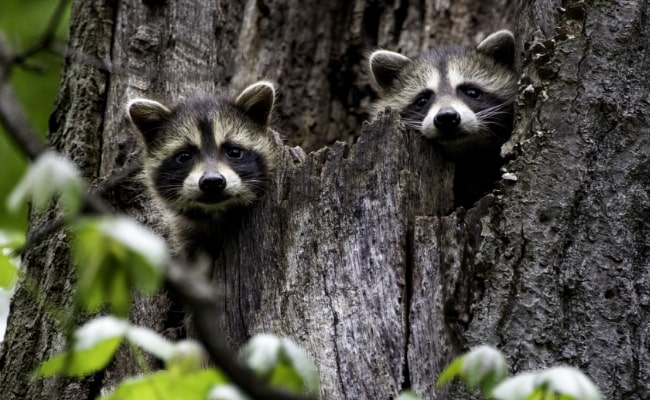
Raccoons may present a problem when it comes to your yard or house. These are intelligent animals, and they seek food and shelter. They can be patterns of making a mess and breaking things. The raccoon removal process is quite difficult for the majority of people. They are wondering what to do to prevent them into their yards. This article discusses easy kind and constructive solutions to this problem. You will know how to get rid of raccoons in yard.
Are Raccoons Hard to Get Rid of?
Yes, raccoons are cunning to eliminate. They are mentally quick and also adjust to a new environment easily. Raccoons do not forget the location of their food. They visit those places repeatedly. Their powerful legs and fast hands open garbage cans, doors, and even basic locks. They do not offer to give in without a struggle. However, you can drive them away. Follow the correct steps and hold to them. Then, they will keep their distance.
How to Know If Raccoons Are in Your Yard?
Raccoons like to visit at night. You might not see them right away. First, check if they’re around. Certain clues show they’re in your yard. Look for these signs to be sure.
- Tracks and Footprints: Raccoons leave special paw marks. Each foot has five toes, front and back. You’ll see these in mud, soft dirt, or dust. Check near trash cans, gardens, or water. The prints are small but stand out. They prove raccoons are close.
- Poop: Raccoon droppings look like small dog poop. But they often have seeds or berries inside. Find them where raccoons eat, like near trash, or on paths they travel. If they visit a lot, the poop piles up.
- Damage to Your Stuff: Raccoons mess things up when they hunt for food. They tip over trash cans and scatter garbage. They dig in gardens, too. You might notice broken bird feeders or scratched outdoor chairs. This damage shows they’re active in your yard.
- Sounds at Night: Raccoons get noisy after dark. You might hear chattering, growling, or scratching. These sounds come from trash areas, trees, or fences.
- Seeing Them: Raccoons move at night mostly. But you could spot them at dusk or dawn. Look for their black masks and ringed tails. If they feel safe near people, they show up more.
How to Get Rid of Raccoons in Yard?
If raccoons are in your yard, you need to act. You can make them leave without hurting them. Here are solid ways for getting rid of raccoons in the yard.
Lock Up Trash Cans
Raccoons love trash cans. They find easy meals there. Stop them by making trash hard to get. Use cans with tight lids. Add bungee cords or straps to hold lids down. Store cans in a garage or shed until pickup day. This cuts off their food supply. Then, they’ll stop coming.
Take Away Outdoor Food
Food outside draws raccoons in. Bring pet food and water bowls inside at night. Pick up fruits or nuts that drop from trees. Lock compost bins with lids or use wire mesh around them. When you remove this food, raccoons lose interest. They’ll look somewhere else.
Add Motion Lights or Sprinklers
Raccoons prefer darkness. Bright lights or sudden water scares them off. Set up lights that turn on when something moves. Put them near trash cans, gardens, or paths. Add sprinklers where raccoons walk, like near decks or fences. When lights flash or water sprays, raccoons feel unsafe. They’ll run away.
Build Fences
A strong fence keeps raccoons out of certain spots. Make it at least 3 feet high around gardens or yards. Add a top piece that sticks out. This stops them from climbing over. Dig the fence 6 inches into the ground. That keeps them from tunneling under. Fences block raccoons from places you want to be safe.
How to Get Rid of Raccoons in Attic?
Raccoons in your attic cause more harm than in your yard. They tear insulation, chew wires, and leave poop. If you suspect they’re there, act fast. These methods help you remove them safely.
Find Where They Get In
Start by finding how raccoons enter your attic. Look outside your house for holes or weak spots. Check the roof, vents, and siding. You might see claw marks, dark smudges, or chewed edges. Knowing their entry points helps you stop them.
Use One-Way Doors
One-way doors let raccoons leave but not return. Place one over the main entry hole. Watch it for a few days. Make sure all raccoons get out. In spring or summer, check for babies. They might not leave on their own. Once everyone’s gone, seal the hole tight.
Set Humane Traps
If one-way doors fail, try live traps. Put food like marshmallows or canned fish inside. Place traps in the attic or near the entry. Check them every day. You don’t want raccoons stuck too long. Release them far away. Follow your local rules when you do.
Close Up Entry Points
After raccoons leave, block their way back. Fix holes in the roof, vents, or siding. Use tough materials like metal sheets or wire mesh. Cover gaps near pipes or chimneys, too. Check your house often. Catch new weak spots before they’re a problem.
What Keeps Raccoons Away? Common Repellents
Repellents can help raccoons stay away. They don’t always work alone. But they boost other methods. Here are options that annoy raccoons.
- Vinegar: Raccoons hate vinegar’s sharp smell. Soak rags in white vinegar. Put them near trash cans or entry holes. Swap rags every few days to keep the scent strong. This pushes raccoons away from those areas.
- Coyote Urine: This smells like a raccoon enemy. Buy it at hunting stores. Sprinkle it around your yard’s edges or attic holes. It tricks raccoons into sensing danger. They’ll steer clear.
- Ammonia: Ammonia’s strong odor bugs raccoons. Pour it into small bowls. Set them in the attic or near entry points. Or soak cotton balls and scatter them. The smell drives raccoons out.
- Cayenne Pepper: This spice stings raccoons’ noses and mouths. Sprinkle it around trash cans or garden beds. Add more after rain to keep it strong. It makes raccoons uncomfortable. They won’t come back.
- Essential Oils: Oils like peppermint or eucalyptus smell bad to raccoons. Mix a few drops with water in a spray bottle. Spray it around your yard or attic. Use it often. It keeps raccoons from getting close.
How to Prevent Raccoons from Returning?
Getting raccoons out is just the start. You need to keep them gone. These tips make your property less appealing to them.
- Lock Food Sources: Keep securing trash cans. Pick up pet food and fallen fruit. Raccoons chase easy meals. If they find nothing, they’ll move on.
- Clean Your Yard: Cut grass short. Clear piles of wood or leaves. Raccoons love hiding in clutter. A tidy yard leaves them no place to settle.
- Add Barriers: Build fences around gardens or decks. Put caps on chimneys and covers on vents. These stop raccoons from sneaking into your yard or house.
- Check Regularly: Look at your house and yard often. Search for new holes, tracks, or poop. You can also use a CCTV camera to monitor your property. Fix problems early. This keeps raccoons from moving in again.
- Talk to Neighbors: Ask neighbors to secure their trash, too. If everyone helps, raccoons won’t just hop next door and return.
FAQs
What do raccoons hate the most?
Raccoons do not like intense odors and lighting. They are bothered by ammonia, vinegar, and motion lights. They are also frightened by predator odors, such as coyote urine.
What food is poisonous to raccoons?
Raccoons consume a lot of items. Certain foods are however, are harmful to them. They can become ill or die after eating chocolate, caffeine, grapes, raisins, and onions. Try not to feed these foods to raccoons.
What are raccoons afraid of?
Raccoons are afraid of predators such as coyotes, big dogs, and owls. They equally do not want bright light, loud sounds, and rapid movements. So, if you have a dog, then there is a good chance that you won’t have a raccoon problem.
Conclusion
Raccoons can stir up trouble. But you can manage them with the right moves. This article showed you how to spot raccoons, remove them from your yard or attic, and keep them away. Secure food, use repellents, and block entry points. That’s the key to raccoon removal. Knowing how to handle raccoons in your yard protects your home. You can do it safely and kindly. Try these ideas out. See which ones work best for you. Got tips or thoughts? Share them below!
Search
Subscribe for the Latest Updates
Security insights & offers right into your inbox