
How to Fix Loose Doorknob?
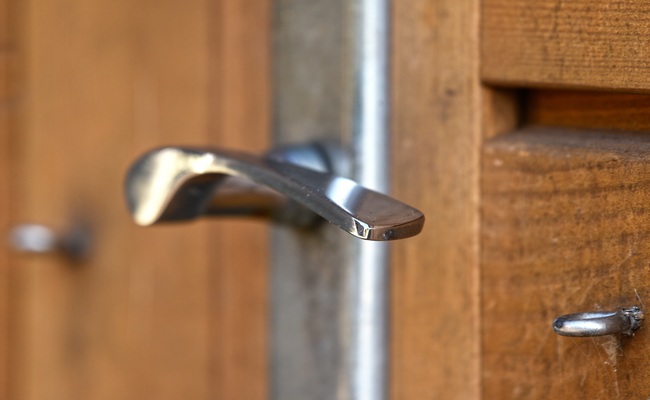
Doorknobs loosen over time and with frequent use. Often, you can fix them on your own by following a few simple steps.
In this article, we will discuss the signs of a loose doorknob. We will share the step-by-step process to fix it without any hassle. We will share the common causes of the issue and how you can avoid a loose doorknob in the future.
Signs of a Loose Doorknob
A loose doorknob announces itself through symptoms you likely already notice.
- The most obvious sign is wobbling. When you grasp the knob, it moves side to side or up and down before engaging the latch. This play indicates that the internal screws or mounting plate have loosened from the door surface.
- Sometimes you hear rattling sounds when opening or closing the door, metal components shifting against each other with every movement.
- Beyond the physical feel, functional problems emerge as looseness progresses. The latch may fail to retract fully, causing difficulty opening or closing.
- You might notice the knob spins slightly without engaging anything, leaving the door stuck in position. Gaps may appear between the knob base and the door surface, revealing unfinished wood or metal components that should remain hidden. These visual cues often accompany the mechanical issues.
- In the worst cases, the knob may pull partially away from the door when used. This creates a safety hazard, especially on exterior doors where reliable locking matters most. The door might fail to latch properly, leaving your home unsecured without your knowledge.
How to Fix a Loose Doorknob?
Most doorknob repairs require only a Phillips-head or flathead screwdriver, depending on your hardware. A small Allen wrench (hex key) may be needed for modern designs with hidden set screws. Keep a flashlight handy to see into tight spaces and a pencil or marker to mark alignment if fully disassembling the mechanism.
1. Locate the screws or set screws.
Examine the doorknob base near the door surface. Most knobs have visible screws on the interior side. Some have small set screws hidden on the knob shaft. Look carefully before attempting any disassembly.
2. Tighten visible screws first.
If screws are visible, tighten them firmly with the appropriate screwdriver. Do not overtighten, which can strip threads or crack the knob base. Turn until snug and test the knob movement.
3. Check for hidden set screws.
For knobs without visible screws, look for a tiny hole on the knob stem. Insert the appropriate Allen wrench and tighten gently. Some knobs require inserting the Allen wrench while turning the knob to access the screw.
4. Remove the knob if necessary.
If tightening doesn't work, remove the knob completely. Look for a small slot or hole to depress a retaining clip. Slide the knob off to expose the mounting plate underneath.
5. Tighten the mounting plate screws.
With the knob removed, you'll see screws securing the two halves of the lock mechanism. Tighten these firmly. This step typically solves most loose-knob problems.
6. Reattach the knob and test.
Slide the knob back onto the spindle until it clicks into place. Test the operation several times to ensure smooth function and secure latching.
Why Does a Door Knob Become Loose? How to Avoid?
Why Does a Door Knob Become Loose?
- Door knobs loosen over time through normal use, which gradually wears on the hardware. Each turn, push, and pull creates small vibrations that slowly work screws loose from their threads.
- Temperature changes cause wood to expand and contract throughout seasons, slightly shifting hardware positions against the door surface.
- Poor initial installation with improperly tightened screws accelerates loosening significantly.
- Low-quality hardware made with softer metals wears faster than quality components designed for frequent use.
How to Avoid a Door Knob Becomingg Loose?
- Preventing loose doorknobs requires simple maintenance habits that take only minutes. Check and tighten all visible screws every six months during regular home maintenance routines.
- Pay special attention to high-traffic doors used constantly throughout the day. Avoid hanging heavy items like bags, coats, or towels directly on doorknobs, as the extra weight stresses internal mechanisms beyond their design limits.
- Install door stops to prevent knobs from hitting walls when opened fully, which loosens internal components through repeated impact.
- For lasting results, consider upgrading hardware on frequently used doors.
Bonus: Reliable Video Doorbell Recommendation
The Reolink Video Doorbell Wi-Fi delivers 5MP 2K+ Super HD resolution. It captures faces clearly from a distance, ensuring you identify visitors before opening the door. Free person detection sends alerts only when people approach, reducing false alarms from passing cars or animals. The 2.4/5 GHz dual-band Wi-Fi ensures stable connectivity regardless of your network setup, while the IP65 weatherproof rating withstands rain, snow, and temperature extremes.

Smart 5MP Video Doorbell with Chime
5MP Super HD Day & Night, Person Detection, 2.4/5 GHz Dual-Band WiFi, 180° Diagonal Viewing Angle, Two-Way Audio, Rich Notification.
FAQs
How to fix a loose doorknob with no visible screws?
Look for a small hole on the knob stem containing a set screw. Insert an Allen wrench and tighten gently. If no set screw exists, the knob likely has a hidden retaining clip requiring removal for access.
How to fix a door that won't latch tight?
Check the strike plate alignment first. Loosen strike plate screws and adjust plate position slightly up, down, or inward. Tighten firmly and test latch engagement. Deepen the strike plate hole if the latch doesn't fully seat.
How to make a door shut tighter?
Adjust the strike plate inward so the latch engages deeper. Alternatively, check hinges for looseness. Tightening hinge screws often pulls the door tighter against the frame, improving seal and latch engagement.
Conclusion
If you know the right process to follow and have a few basic tools, you can fix a loose doorknob within 10 minutes. We have shared the step-by-step process that even beginners can follow. However, you should know the root cause of a loose doorknob and how to prevent it in the future. It will help you keep your doorknobs intact and reliable.
Search
Subscribe for the Latest Updates
Security insights & offers right into your inbox