
The Cheapest Place to Live in Canada: Live Well for Less

Canada has many places where you can live well and not spend much. If you want the cheapest place to live in Canada, this country has good options. These places mix low costs with a nice life. The cheapest city depends on what you need. You can find affordable spots in different provinces. This article helps you pick the cheapest city to live in Canada that fits your budget.
Top 10 Cheapest Places to Live in Canada
Canada offers many cities that keep costs low and life good. These stand out for affordable housing, jobs, and daily expenses. Here’s a list of the 10 cheapest cities to live in Canada to save money and enjoy life. Each one brings something special.
1. Regina, Saskatchewan
Regina sits in Saskatchewan’s heart. It’s very affordable. Houses average $300,000 CAD. Rent for a one-bedroom apartment runs from $900 to $1,200 CAD a month. Property taxes stay low, helping homeowners save. Jobs in tech and factories make it great for workers.
2. Quebec City, Quebec
Quebec City is old and cheap. Houses cost about $350,000 CAD. Rent for a one-bedroom apartment is $800 to $1,100 CAD. It’s safe and near nature. That suits people who love peace and culture. Jobs come from the government and tourism.
3. Winnipeg, Manitoba
Winnipeg is a bigger city but still cheap. Houses go for around $320,000 CAD. Rent for a one-bedroom apartment is $900 to $1,200 CAD. You find jobs in healthcare and schools. Parks and arts events add fun.
4. Moncton, New Brunswick
Moncton is growing and affordable. Houses cost about $280,000 CAD. Rent for a one-bedroom apartment is $800 to $1,000 CAD. Jobs are in healthcare and education. Beaches and parks nearby make it nice.
5. St. John’s, Newfoundland and Labrador
St. John’s sits on the east coast. It’s cheap. Houses average $290,000 CAD. Rent for a one-bedroom apartment is $800 to $1,100 CAD. It’s quiet with a tight community. Fishing and tourism offer work.
6. Saskatoon, Saskatchewan
Another cheap place within Saskatchewan is Saskatoon. The houses are priced at approximately 340,000 CAD. A one-bedroom apartment rent is between 900 and 1200 CAD. Jobs in healthcare and education increase here. Outdoor Sports and outdoor arts make it vibrant.
7. Trois-Rivières, Quebec
Trois-Rivieres is cool and economical. The average house cost is 270,000 CAD. The monthly rent on a single apartment is between 700 and 900 CAD. It is positioned between Montreal and Quebec City, and thus, large cities are not far. Jobs are offered in the factories and schools.
8. Windsor, Ontario
Windsor is in close proximity to the American border. It’s affordable. Homes sell at about three hundred and fifty thousand Canadian dollars. The cost of a one-bedroom apartment is 900 to 1100 CAD in rent. Cars and factories bring Jobs.
9. Halifax, Nova Scotia
Halifax is by the sea and cheap. Houses average $360,000 CAD. Rent for a one-bedroom apartment is $1,000 to $1,300 CAD. Education and government jobs are common. Ocean life is a bonus.
10. Edmonton, Alberta
Edmonton is big but affordable. Houses cost about $380,000 CAD. Rent for a one-bedroom apartment is $1,000 to $1,300 CAD. Oil and gas jobs are big here. Festivals and events keep it fun.
Quick Table
Cheapest City to Live in Canada for Different Needs
Affordable means different things to different folks. A student needs cheap rent near schools. A family wants safe areas and jobs. This section picks the best cheap cities for specific groups.
For Students
Sherbrooke, Quebec, suits students. Living costs are low. Schools like Bishop’s University and Université de Sherbrooke are affordable. Rent for a one-bedroom apartment is $600 to $800 CAD a month. Part-time jobs in shops or services help out. Fun activities keep life exciting.
For Families
Regina, Saskatchewan, works for families. Houses cost around $300,000 CAD. Rent for a one-bedroom apartment is $900 to $1,200 CAD. Schools are good, and areas are safe. Tech and factory jobs pay the bills. Parks and events make it family-friendly.
For Retirees
Saint John, New Brunswick, fits retirees. Houses average $260,000 CAD. Rent for a one-bedroom apartment is $900 to $1,100 CAD. Healthcare is solid, and it’s peaceful. Seniors get discounts, and the community is strong.
For Renters
Wondering what is the cheapest rent in Canada? Windsor, Ontario, has some of Canada’s cheapest rent. A one-bedroom apartment costs $900 to $1,100 CAD a month. Housing stays affordable, and factory jobs are steady. Being near Detroit gives renters more choices without high costs.
Cheapest Provinces to Live in Canada
Quebec
Quebec combines affordability with strong public services. Monthly living costs average $2,700–$3,300 CAD, lower than the national average. Its cost-of-living index is around 90, and housing costs are significantly lower than in Ontario or British Columbia
New Brunswick
New Brunswick is one of the most affordable provinces overall, with monthly living costs as low as $2,300–$2,700 CAD—among the lowest in Canada. It also offers strong purchasing power, where goods and services can cost noticeably less than in expensive provinces like Ontario.
Newfoundland and Labrador
Newfoundland and Labrador offers some of the lowest housing prices in Canada, with average monthly living costs around $2,700–$3,100 CAD. Typical home prices can be under $300,000 CAD, making it one of the most affordable places to buy property.
What Makes a Place Cheap to Live in Canada?
Before we list cities, let’s look at what makes a place affordable. A few things decide how cheap a city is. They change how much you spend each day and over time. Here are the key points for the cheapest place in Canada to live:
- Cost of living: This means basics like food, power, buses, and healthcare. Cities with low costs here save you money. For example, groceries cost less in small cities than in big ones like Toronto or Vancouver.
- Housing cost: Housing takes a big chunk of your money. Cheap cities offer lower prices to buy or rent homes. Some places sell houses for under $300,000 CAD. That’s below Canada’s average.
- Quality of life: Low costs don’t mean a bad life. Many cheap cities have parks, events, and solid services. These keep life fun without extra bills.
- Taxes: Taxes vary by province and city. Some spots have low income or property taxes. This leaves you with more cash after bills. Saskatchewan, for instance, often has good tax rates.
- Job opportunities: A cheap city needs jobs to work for you. Cities with growing industries or steady work help you live affordably. No job makes even low costs feel high.
Are Cheap Cities in Canada Safe? Here's How to Secure Your Home
Yes, many cheap cities in Canada are safe. Quebec City, Moncton, and Saint John have low crime and friendly folks. Safety makes them even better. Still, you should guard your home. Here’s how:
Add security cameras
Security Cameras scare off thieves and let you watch your place. ven visible cameras can make potential intruders think twice before approaching your home. For apartments or smaller houses, compact wireless cameras are often enough—they’re easy to install and don’t require complicated wiring.
If you want more advanced coverage, models with motion detection, night vision, and mobile alerts let you monitor your home in real time from anywhere. This is where options like the Altas PT Ultra fit naturally—they combine high-resolution video with flexible placement, making them suitable for both indoor and outdoor use without a complex setup.

2K Pre-recording Bullet Camera with a Long Lasting Battery
2K 10s Pre-recording ; ColorX Night Vision; 20,000mAh Battery; Dual-band Wi-Fi 6.
Use smart locks or video doorbells
Upgrading your front door adds a strong first layer of defense. Smart locks allow you to lock or unlock your door remotely using your phone, which is useful if you forget to secure it or need to let someone in while you’re away.
Pairing this with a video doorbell gives you even more control—you can see who’s at your door, talk to visitors, and get alerts when motion is detected. Devices like a WiFi video doorbell integrate smoothly into daily life, offering convenience without requiring a major investment. Over time, this kind of setup helps you stay aware of what’s happening at your doorstep, even when you’re not home.
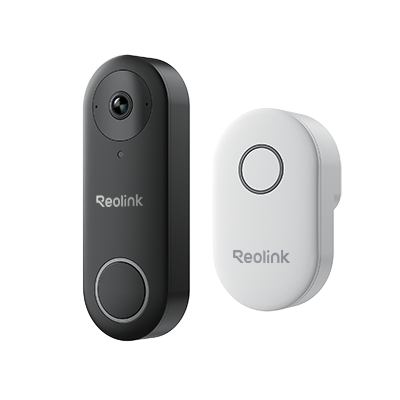
Smart 5MP Video Doorbell with Chime
5MP Super HD Day & Night, Person Detection, 2.4/5 GHz Dual-Band WiFi, 180° Diagonal Viewing Angle, Two-Way Audio, Rich Notification.
Join a neighborhood watch
Many Canadian communities, especially in smaller cities, have active neighborhood watch programs. These groups share updates about suspicious activity, safety tips, and local incidents, often through social media or messaging apps. Being part of such a network adds an extra layer of awareness—you’re not just relying on your own vigilance but benefiting from a collective effort. It also helps you build connections with neighbors, which naturally increases overall safety in the area.
Lock windows and doors
It sounds simple, but consistent habits are often the most effective. Always lock doors and windows, even if you’re stepping out for a short time. Ground-floor windows and back entrances are common targets, so adding secondary locks or window sensors can further reduce risk. Small upgrades like reinforced door frames or better-quality locks don’t cost much but significantly improve security.
FAQs
What town in Canada has the lowest cost of living?
Trois-Rivières, Quebec, regularly ranks as Canada’s cheapest sizable town. Moving2Canada’s 2025 survey shows average monthly expenses under CAD 1,100 and median rents near CAD 900, thanks to modest salaries, plentiful apartments, and low municipal taxes, making it popular with newcomers and students.
Is it cheaper to live in Canada or the USA?
According to the information obtained on Numbeo in the middle of 2025, living expenses, namely rent, are 12.7 percent higher in the United States than in Canada. Food and medicine north of the border are cheaper, but salaries and other consumer products are more expensive in America, making the buying power equal.
Where is housing most affordable in Canada?
The 2025 Housing Affordability report by RBC tags Regina, Saskatchewan, as the most affordable major market in the country that allowed mortgage payments, tax, and utility bills to only consume 26.1 percent of median incomes of an average household, which fell below the national average and even its own historical trend among housing seekers.
Where is the warmest and cheapest place to live in Canada?
Being the southernmost city in Canada, Windsor, Ontario provides a relatively warm climate (winter average high temperatures are around 0C, summer averages are close to 28C) and cheap living rates; according to the surveys conducted in 2025, median rental prices of one-bedrooms across the area go below CAD 1300, which is the lowest among midsize markets in Ontario, and general prices are constantly lower than provincial rates.
Can you live on $3,000 a month in Canada?
A single person usually needs around $3,000–$4,000 per month to live comfortably, while a family of four may require about $6,000–$8,000, depending on the city and lifestyle. This budget can work well in smaller towns or rural areas, but it may feel limited in major urban centres where living costs are significantly higher.
Conclusion
Canada has lots of cheap places to live in. Regina, Windsor, and Moncton mix low costs with good living. Whether you’re a student, family, retiree, or renter, this article has options. Housing costs, taxes, and jobs help you choose. Use these tips to find a spot you can afford. Share your thoughts or stories in the comments below.
Search
Subscribe for the Latest Updates
Security insights & offers right into your inbox