
Complete Guide to Cold Weather Security Cameras & Systems in 2026
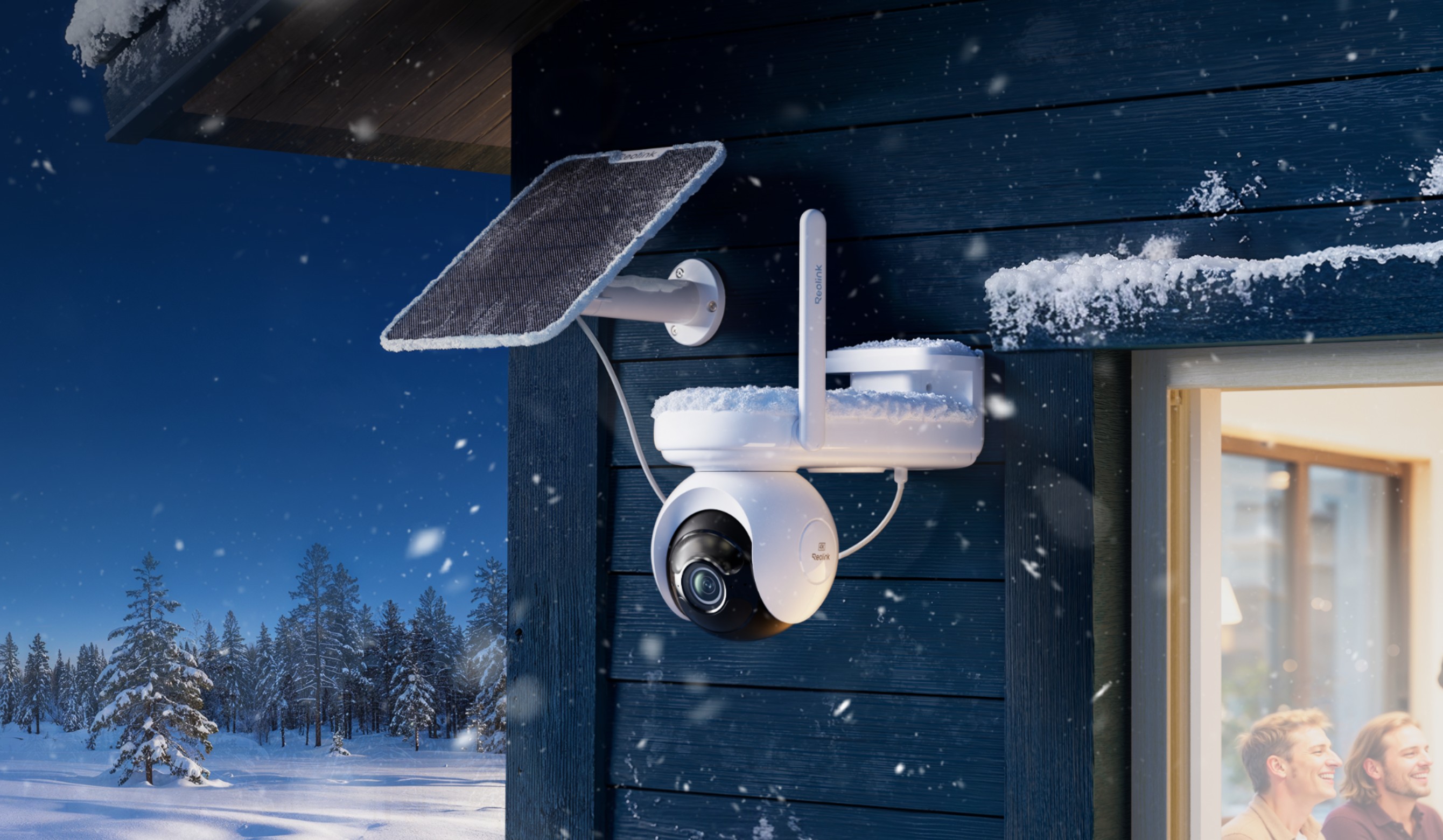
If you are looking for a cold weather security camera & system for winter, you can get what you need in this complete buying guide. You’ll get top 3 points to consider when you buy best security cameras for cold weather, so that you can get the most suitable one within minutes (with stunning videos). Also, we’ve included 3 extreme cold weather CCTV cameras & system top picks that got high praise from editors of top-tier media and customers.
Best Winter Cold Weather Security Cameras — 3 Points to Focus
Your security cameras used in winter, especially operated in the outdoor environments, should withstand the inclement weather, including snow, wind, dust, rain, extreme old.
You can try the 3-point checklist to buy the best outdoor security cameras for cold weather:
1. Check Your Local Temperature Before Buying Cold Weather Wireless & Wired Security Cameras & Systems
Before dive into buying the fanciest cold weather outdoor security cameras, you should check the local temperature in winter.
Security cameras that can withstand higher or lower temperature will cost you more.
A good rule of thumb is to get a security camera that can handle the winter of your local place, instead of just upgrading the CCTV cameras to the ones that can withstand highest or lowest temperature simply because they are available.
You don't necessarily buy a security camera that can stand up a winter with -60°C to -80°C, while your local temperature is only -5°C.
You can check your local temperature on weather.com.
2. Mark Cold Weather Security Camera Operating Temperature
The operating temperature in cold weather video surveillance cameras (typically can been seen in the specifics part in the product page), means the recommended operating temperature.
The operating temperature of winter IP security cameras varies. Some security cameras (systems) can perform well under the temperature range of -10°C ~ +55°C (14°F~131°F). Some even can handle/withstand the cold weather that is about -30°C or -40°C.
In fact, some extreme weather security cameras & systems can operate in much higher and lower temperatures than the stated temperatures.
Security cameras when in operating condition would be much more heated than that of its non-working state. So the cold weather IP security camera function even in a much colder environment.
Take RLC-823A PoE all-weather outdoor security camera as a typical example. The recommended working temperature of this camera is -10°C~+55°C (14°F~131°F). However, this camera can work well even in -45°C by a customer’s test.
This customer who bought this cold weather IP security camera left a review, stating that:
“ RLC-823A I tried it on very low outdoor temperature (around -45 c) it works fine no issues. very good picture!”
But if you expose a high temperature CCTV security camera or system close to a furnace, it would do harm to your camera, which would make it stop working. In some extreme conditions, it would burn your cameras down.
3. Get Suitable Cold Weather Security Cameras & Systems Depending on Outdoor or Indoor Use
If you want to install your cold weather wired or wireless security cameras outdoors, always buy a CCTV camera with weatherproof rating.
For example, if you want to put up an outdoor security camera for cold weather in your parked camper, detached garage, soffit, covered porch, etc. get a CCTV camera at least with IP65 weatherproof rating.
Under such an IP rating, this winter security camera can brave the cold, rain, dust, etc. You can take a look at the below video to see how an IP65 weatherproof security camera braves the cold weather.
If you want to buy cold weather wireless or wired security cameras for indoor use, you don’t need to worry about the working temperature of your security cameras.
Usually, you would turn the heater on during cold winters. Thus the temperature inside your property would enable your all-weather CCTV security cameras or systems to work seamlessly.
Best Outdoor Cold Weather Security Cameras: Top 3 Picks
The below top all-weather wireless and wired security camera recommendations can withstand harsh weather, and offer you real-time live streaming when connected to the Internet.
Most importantly, you can enjoy FREE shipping!
You can watch the below bomb cyclone captured by this weather-resistant security camera.
Top Pick 1. Reolink Altas PT Ultra — Long Battery Life Outdoor Security IP Camera
The Reolink Altas PT Ultra battery-powered security camera features a 100% wire-free design, so you don’t need to run Internet wires or power cables. Equipped with a powerful 20,000mAh battery for extended endurance, it can operate efficiently even in harsh environments. In standby mode, the camera lasts an entire winter without charging. This makes it the best option if you want a long battery life security camera for cold weather.
This cold weather security camera can function well even in -10℃.
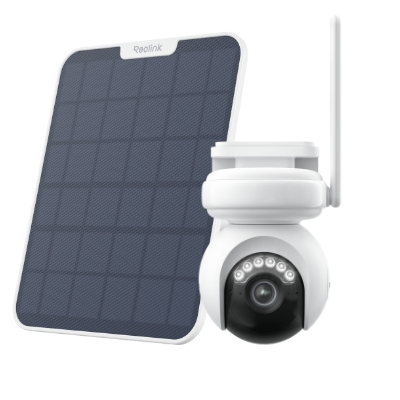
Industry-leading 4K Continuous Recording Battery Camera
4K UHD Continuous Recording; ColorX Night Vision; Pan & Tilt; Automatic Tracking; All Recordings Stored Locally.
If you want to find the best cold weather game/trail camera to monitor your off-site properties, like monitoring livestock at night during lambing and calving seasons, or checking your paddock, farm, barn, rural home and other remote areas, you can try a cellular 4G security camera.
You can still get live view when your property has no Internet and power supply.
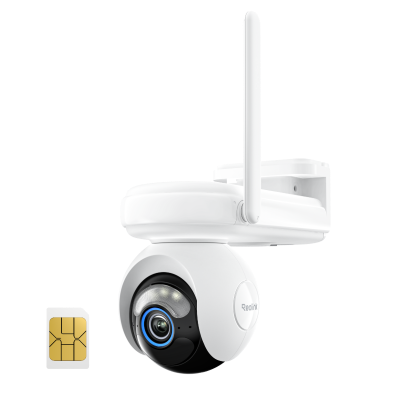
2K 4G LTE 360° PT Battery/Solar Security Camera
2K 10s Pre-recording; ColorX Night Vision; Pan, Tilt & Auto-Tracking; 6-Month Battery Life.
Top Pick 2. Reolink Altas — Bullet Camera with a Long Lasting Battery
Reolink Altas dual band WiFi security camera can resist the cold weather even in -20°C (-4°F). With 10s pre-recording and a 20,000mAh battery, it ensures you never miss a moment while maintaining powerful, long-lasting performance in freezing conditions.
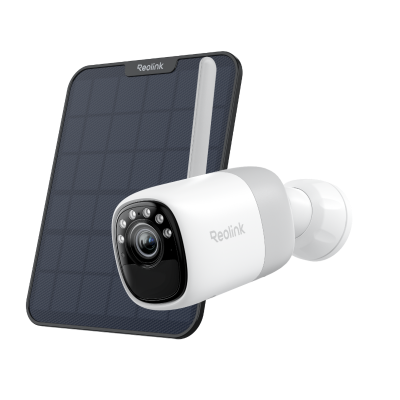
2K Pre-recording Bullet Camera with a Long Lasting Battery
2K 10s Pre-recording ; ColorX Night Vision; 20,000mAh Battery; Dual-band Wi-Fi 6.
Top Pick 3. RLK8-810B4-A — The Easiest DIY Cold Weather PoE IP Security Camera System
This all-weather PoE IP security camera system can help you monitor and protect your home and business even in cold winters.
This security camera system can perform pretty well in the temperature range of -10°C ~ +45°C (14°F~113°F).
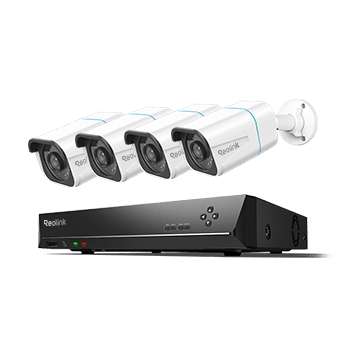
Smart 4K 8-Channel PoE Security System
4 pcs 4K Ultral HD Security Cameras with Person/Vehicle Detection; 2TB HDD 8-Channel NVR for 24/7 Recording; Plug & Play.
If you want the security camera system much more weather-resistant, you can add a weather shield to it.
Normally, the above winter security cameras (systems) can meet your requirements for cold weather.
If you are looking for outdoor cameras that are able to stand up the harsh Alaskan winters (about -60°C to -80°C on a cold night), it’s a little bit hard to find a suitable one since there are few outdoor winter security cameras that can handle such cold weather.
How Do You Keep Your Reolink Batteries Charged in Cold Weather?
Reolink camera batteries may show low power in cold weather as low temperatures slow internal chemical reactions.
Reolink battery-powered cameras work between -10°C and +55°C (14°F–131°F), while the Reolink Altas operates down to -20°C (-4°F). The Reolink Solar Panel functions within -10°C to +55°C (14°F–131°F).
For best performance, you may charge batteries at 0°C–45°C (32°F–113°F) and avoid use below -10°C (14°F).
How to keep your batteries charged in cold weather?
If your Reolink camera stops charging because the battery is too cold, move it to a location above freezing and plug it in. Charging will resume automatically once the battery reaches a safe temperature. In areas with frequent subfreezing conditions, you may need to bring cameras indoors to charge more often than during warmer months.
For optimal performance, the Reolink Solar Panel must receive unobstructed sunlight, free from tree shade, buildings, or other obstacles. Its efficiency can drop significantly during extended periods of clouds, rain, or gloomy weather.
FAQs about Cold Weather Security Cameras & Systems
You can express your own insights in this Q&A part about high or low temperature CCTV video cameras! And as usual, your excellent ideas will be featured in this part.
1. What exactly does the cold weather security camera operating temperature mean?
All security cameras have recommended working temperature. You can find the operating temperature of the camera in the product page.
The working temperature is determined by the camera manufacturers during the product testing stage.
The cold weather security cameras may be hampered if used outside this temperature range. But wait. As we mentioned enough, some security cameras can even function well in much higher or lower temperature.
Flora, a senior tech editor of Reolink, provides a trick to use a security camera in cold weather.
Here is the trick:
Start the wireless/PoE (or whatever types) security camera indoor first and move the heated camera outside.
You can check Flora’s post to get more details on how she handles the Candia Canadian extreme cold with the cameras.
2. Does cold weather affect digital security cameras?
Cold weather would enable the cameras to stop working if the temperature is extremely lower than the operating temperature, and it might be harmful to your CCTV surveillance cameras’ lens.
You should clean your cold weather security camera lens before the winter approaches, and keep cleaning it with a soft cloth during winter season, like once per month.
In most cases, the cold weather won’t affect the IR night vision of the cameras.
3. How to keep outdoor cameras from freezing?
-
Use cold-resistant cameras rated for freezing temperatures.
-
Install weatherproof housings or enclosures for protection from snow, wind, and ice.
-
Add a low-wattage heater or heating pad inside the housing to maintain warmth.
-
Prefer wired power for steady warmth; use lithium batteries for battery cameras.
-
Mount cameras under eaves or awnings to reduce direct exposure.
-
Apply hydrophobic or anti-fog coatings to prevent lens icing.
-
Ensure airflow in the housing to prevent moisture buildup.
-
Perform regular winter maintenance—clear snow, check seals, and dry any frost.
Conclusion
Investing in cold-weather security cameras ensures reliable performance and peace of mind even in the harshest winter conditions. By choosing cameras built to withstand freezing temperatures, protecting them with proper housing, and performing simple maintenance, you can prevent ice, snow, and frost from disrupting your surveillance.
Search
Subscribe for the Latest Updates
Security insights & offers right into your inbox