Your cart is empty.
Stay connected, stay protected in places without Wi-Fi access.

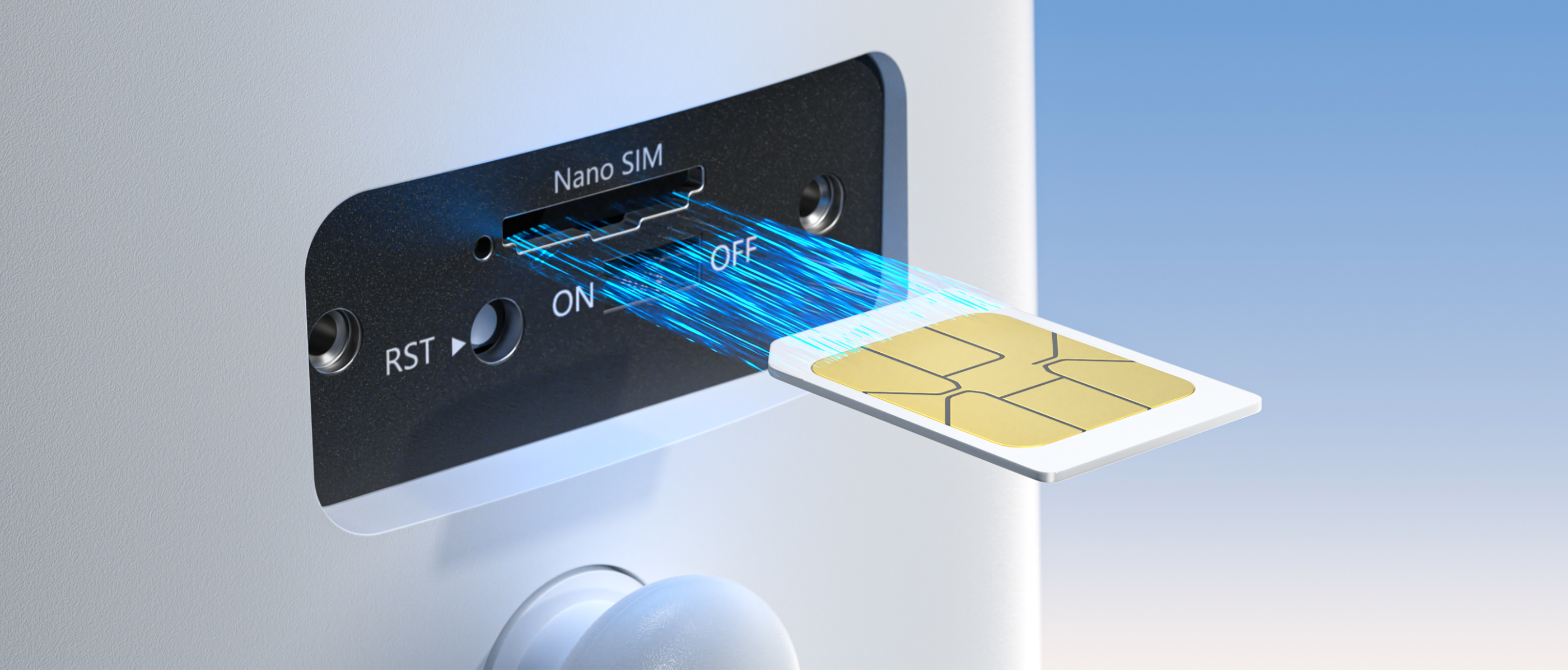
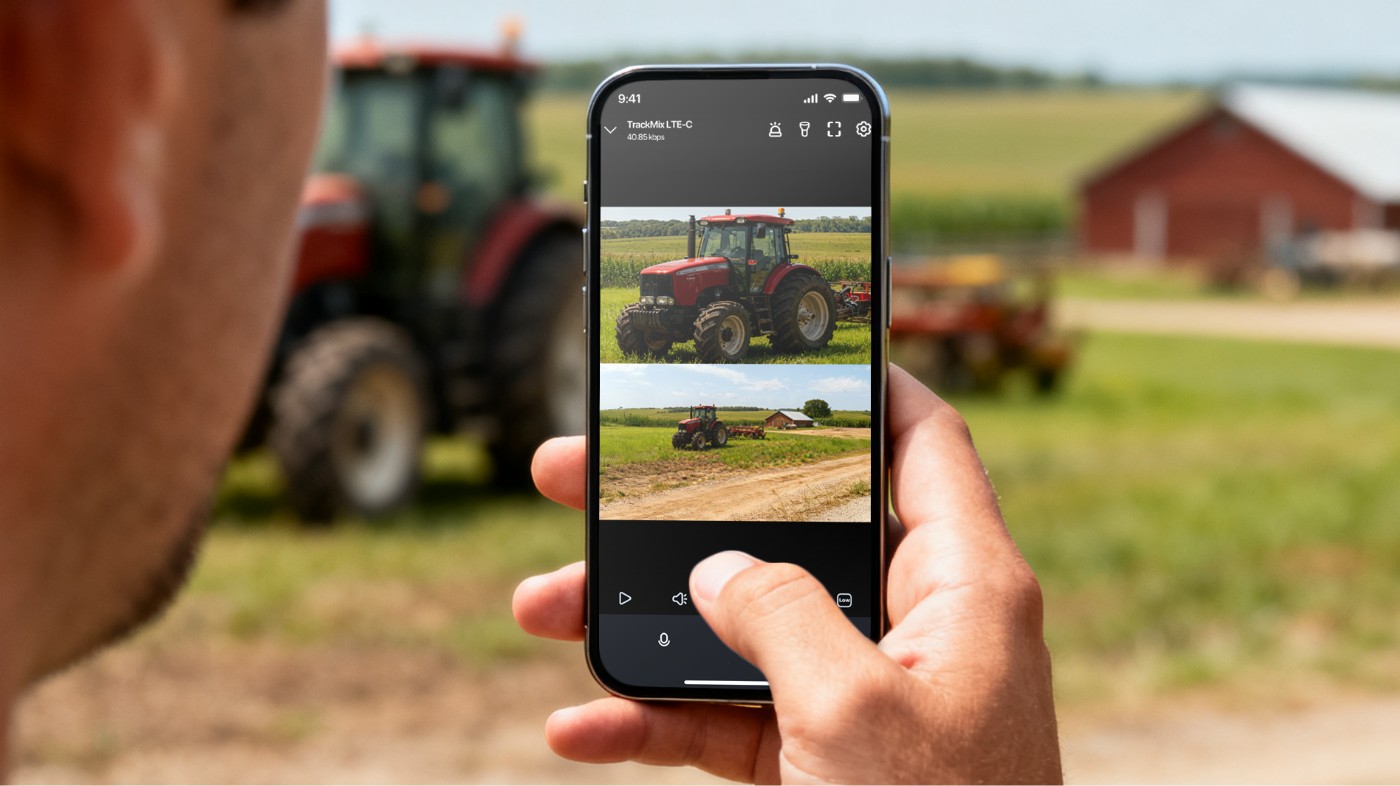
4G LTE keeps your camera online without Wi-Fi, so remote properties stay protected with live views and remote viewing.
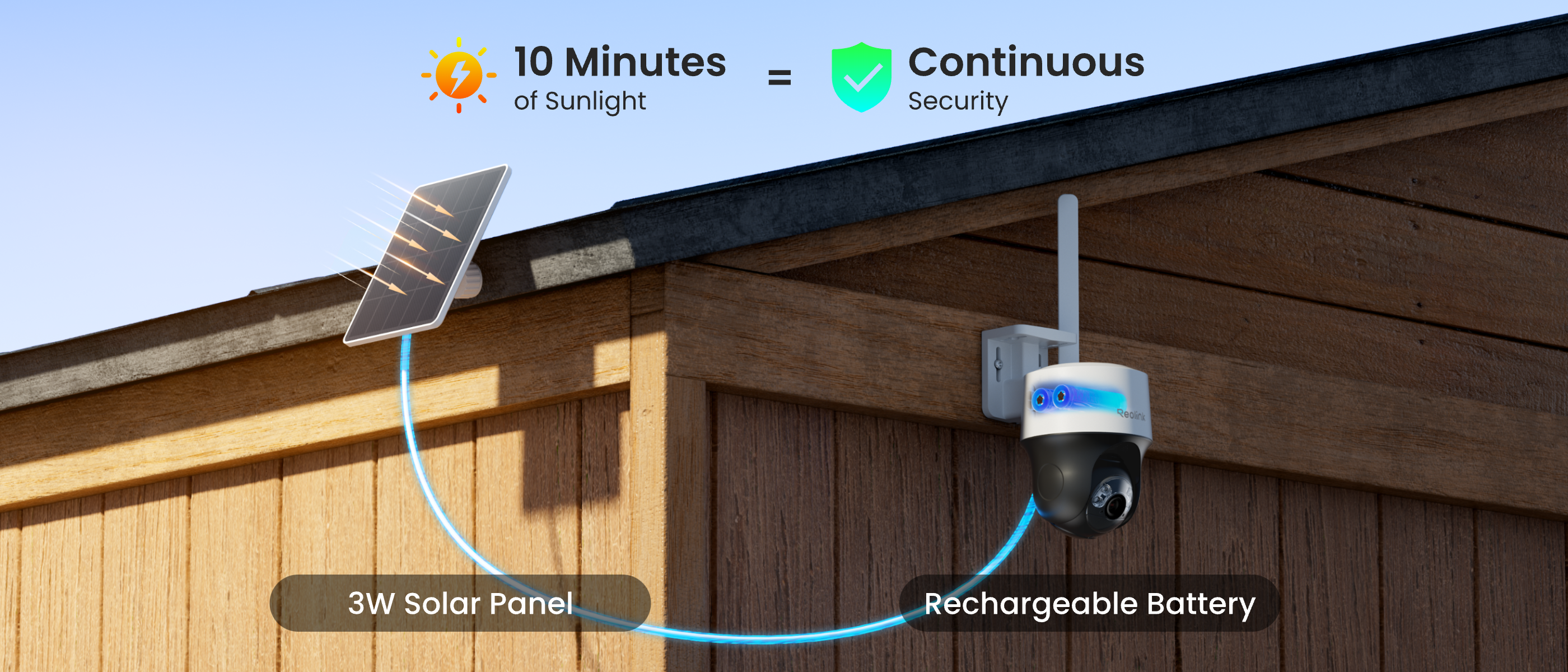
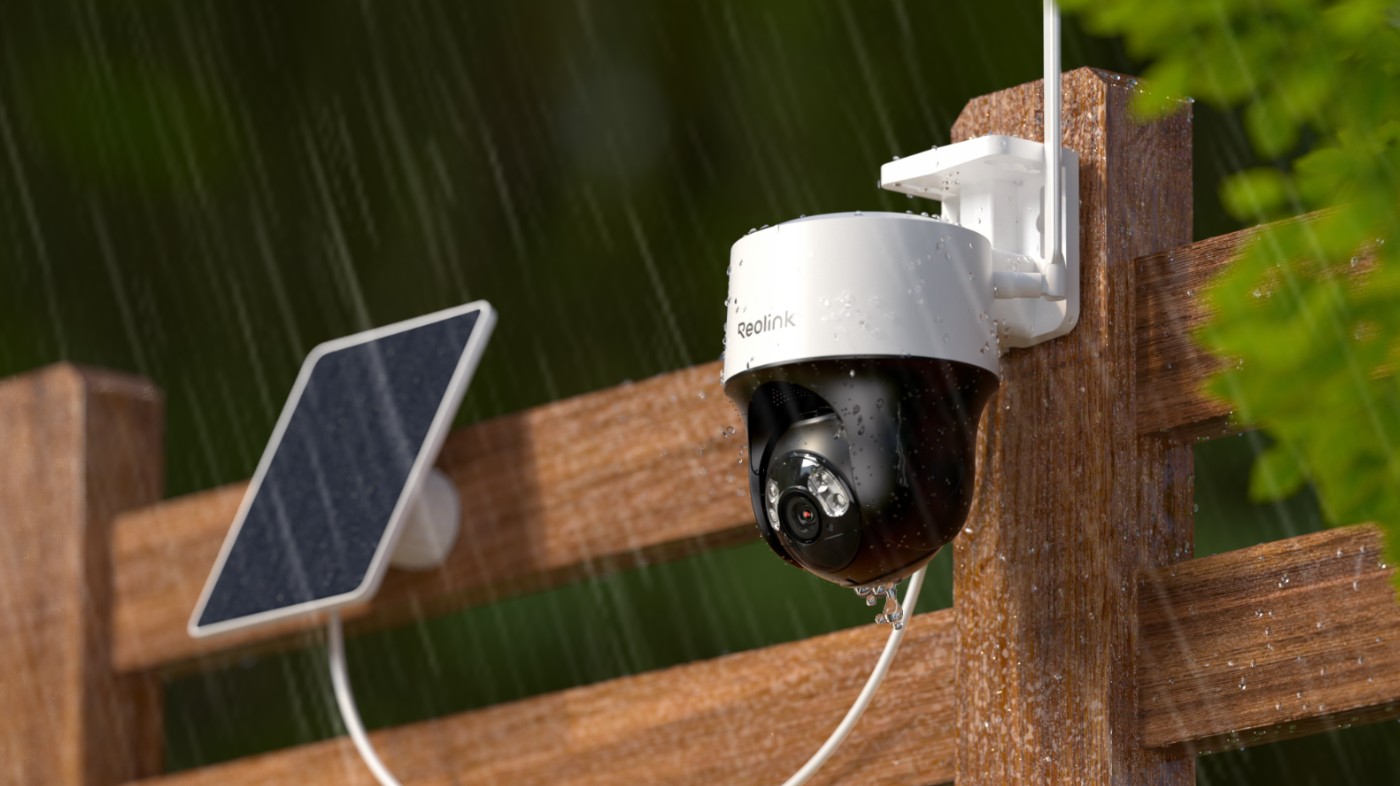
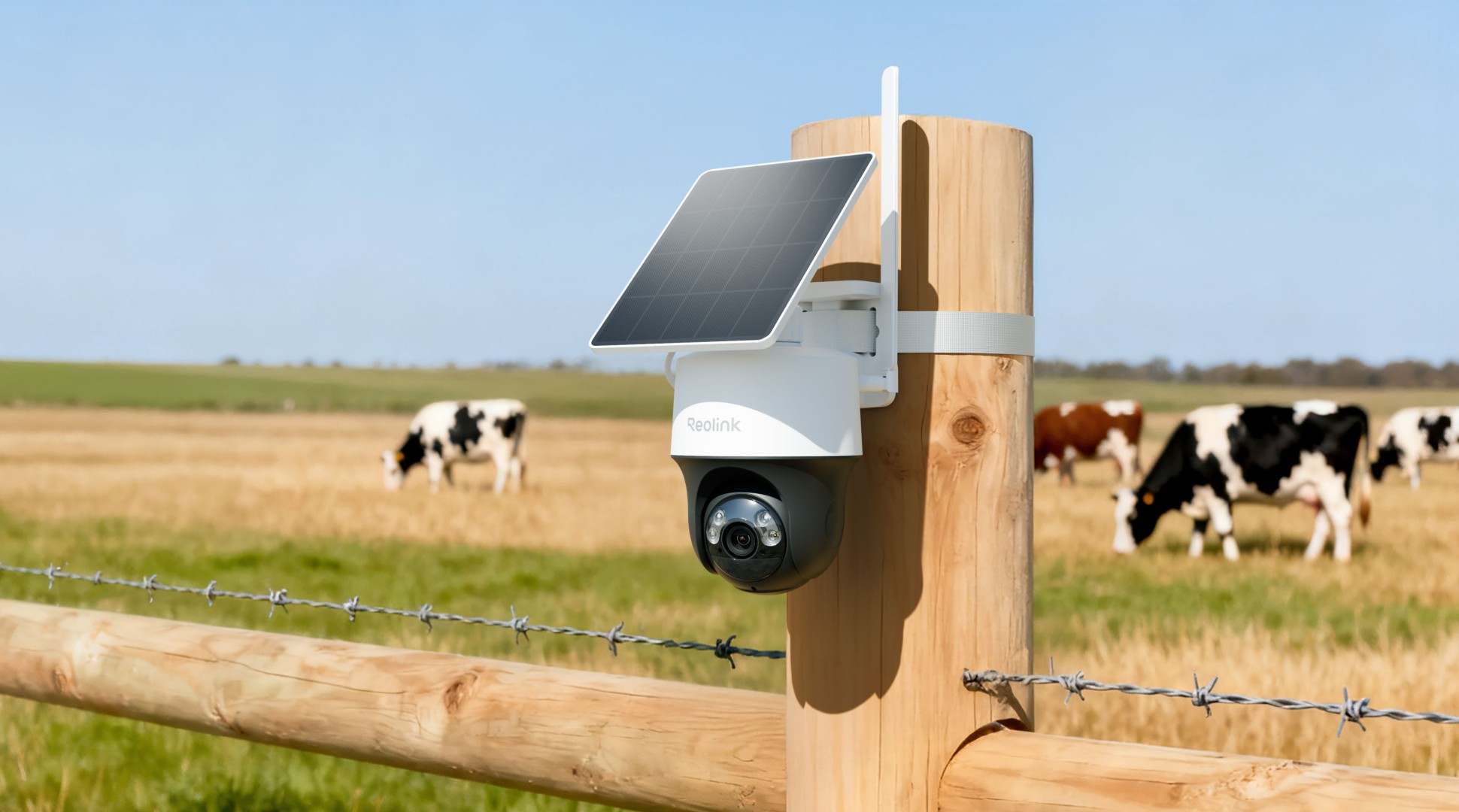
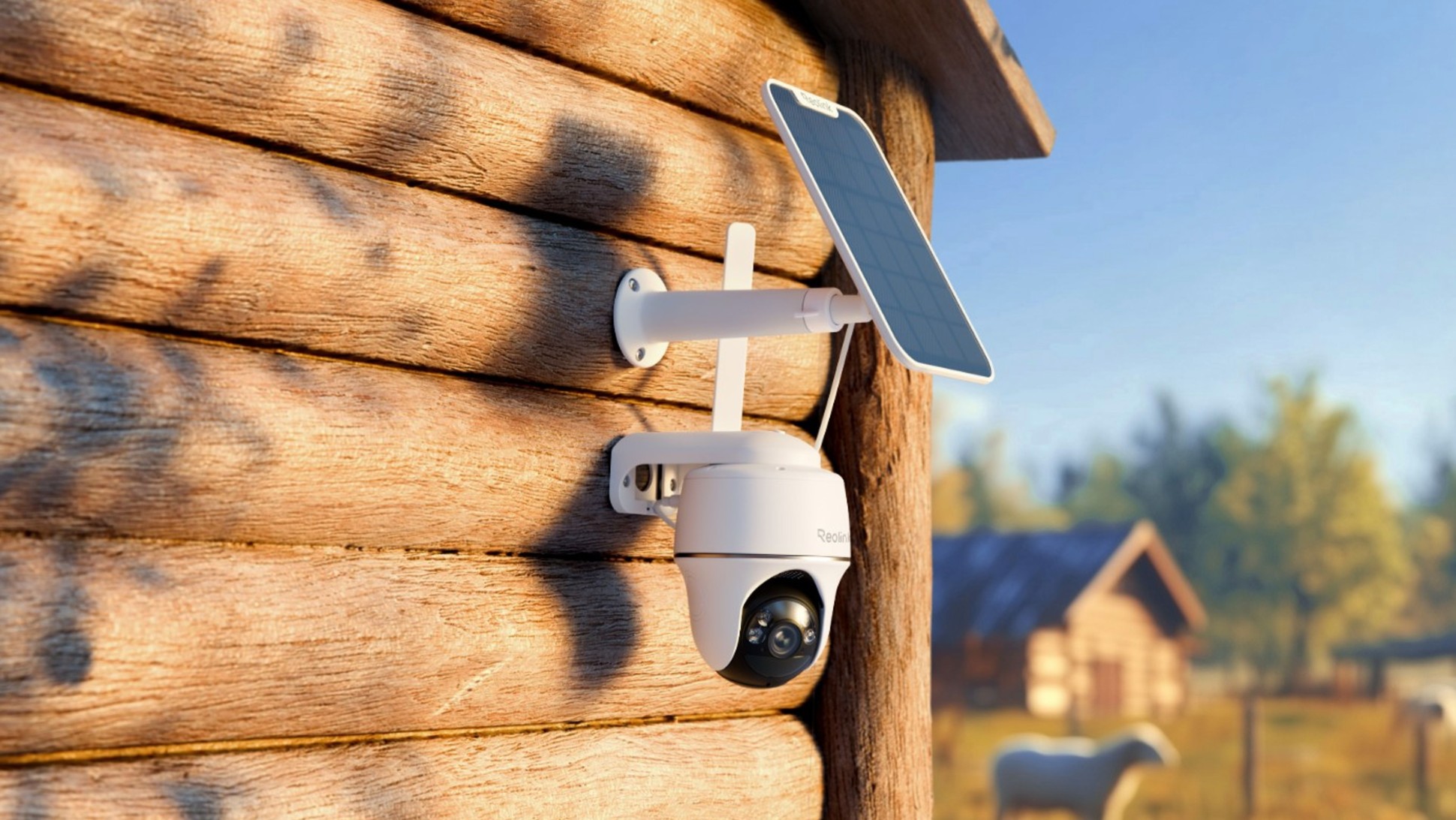
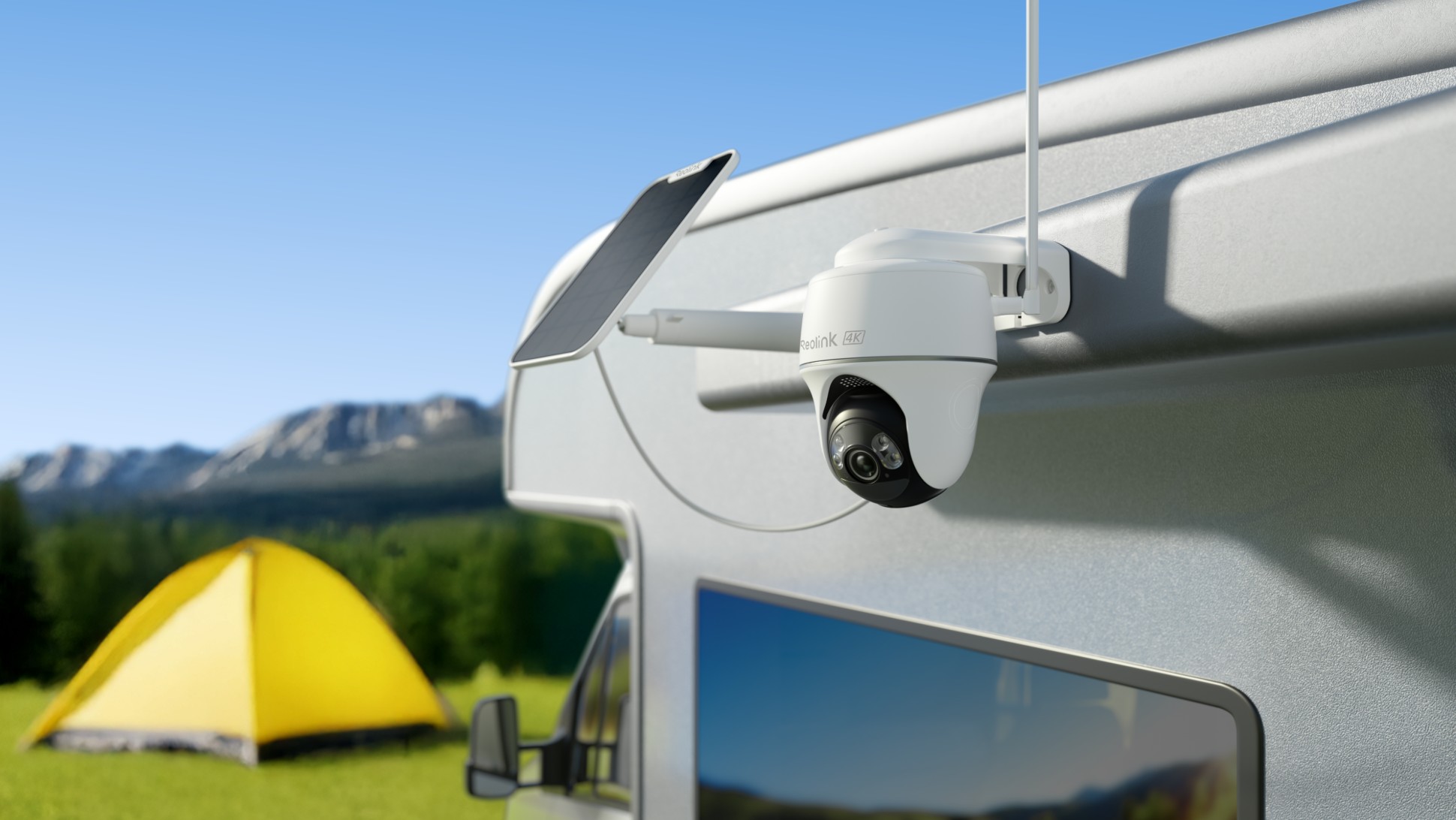
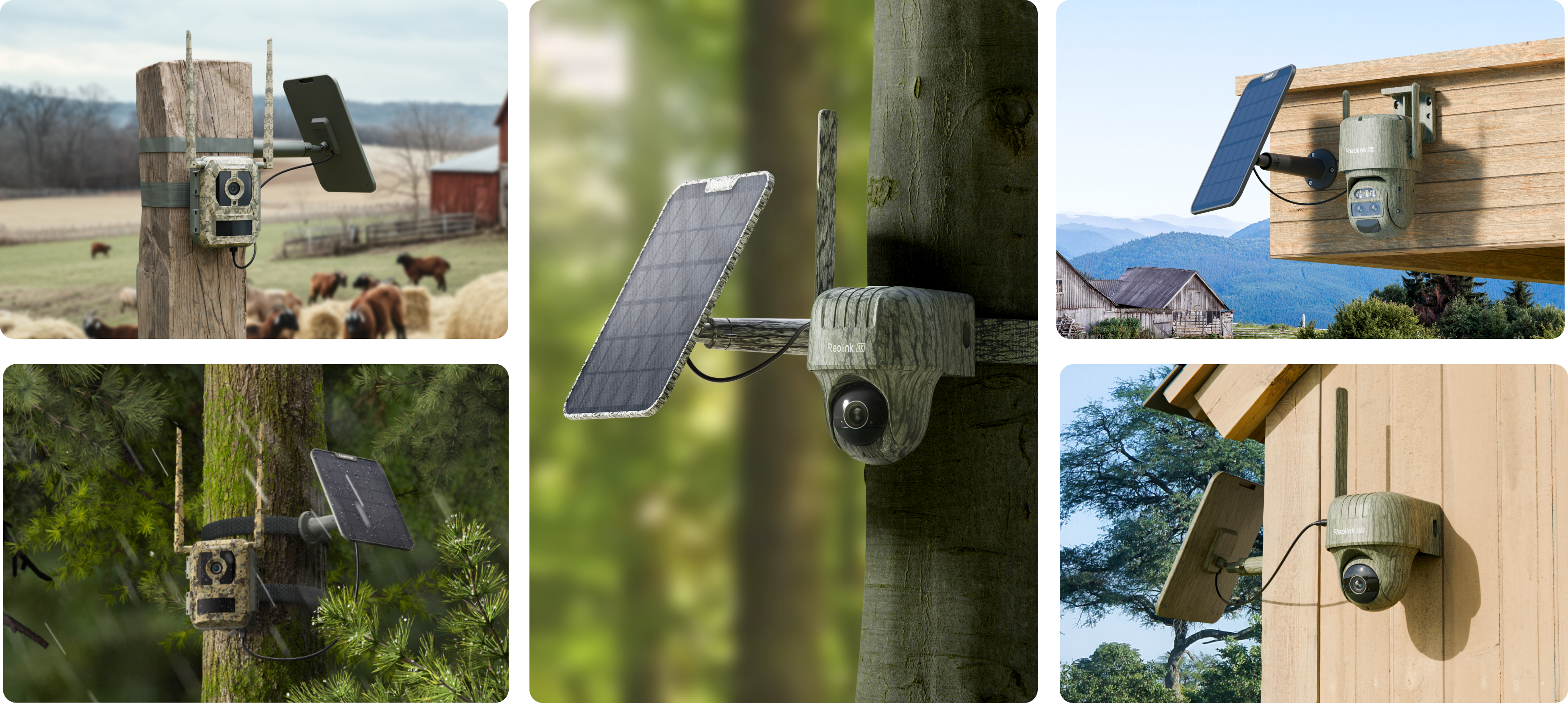
With solar charging, your camera stays powered by sunlight, reducing the need for frequent battery charging and giving you more freedom to secure remote outdoor locations.
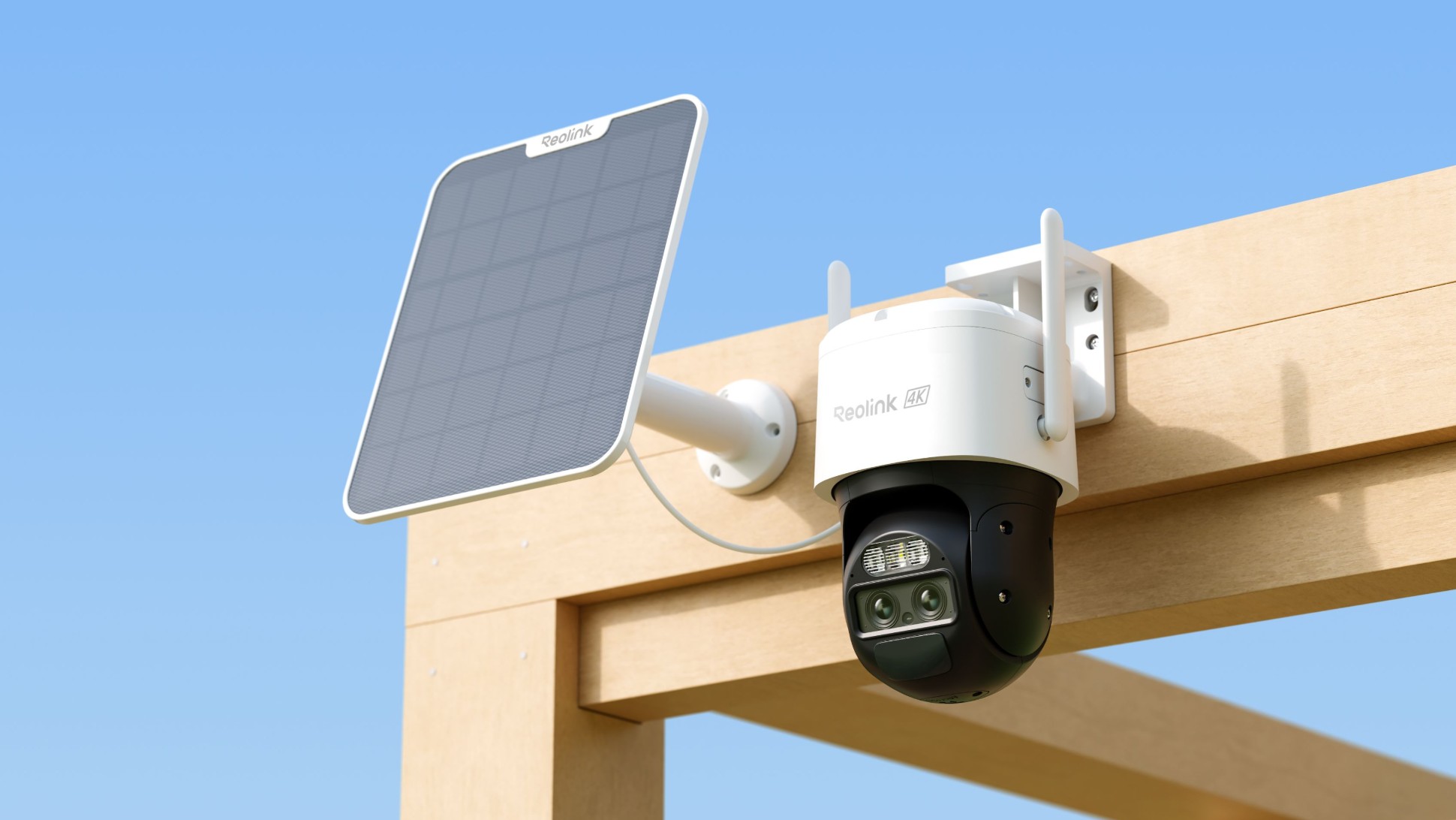
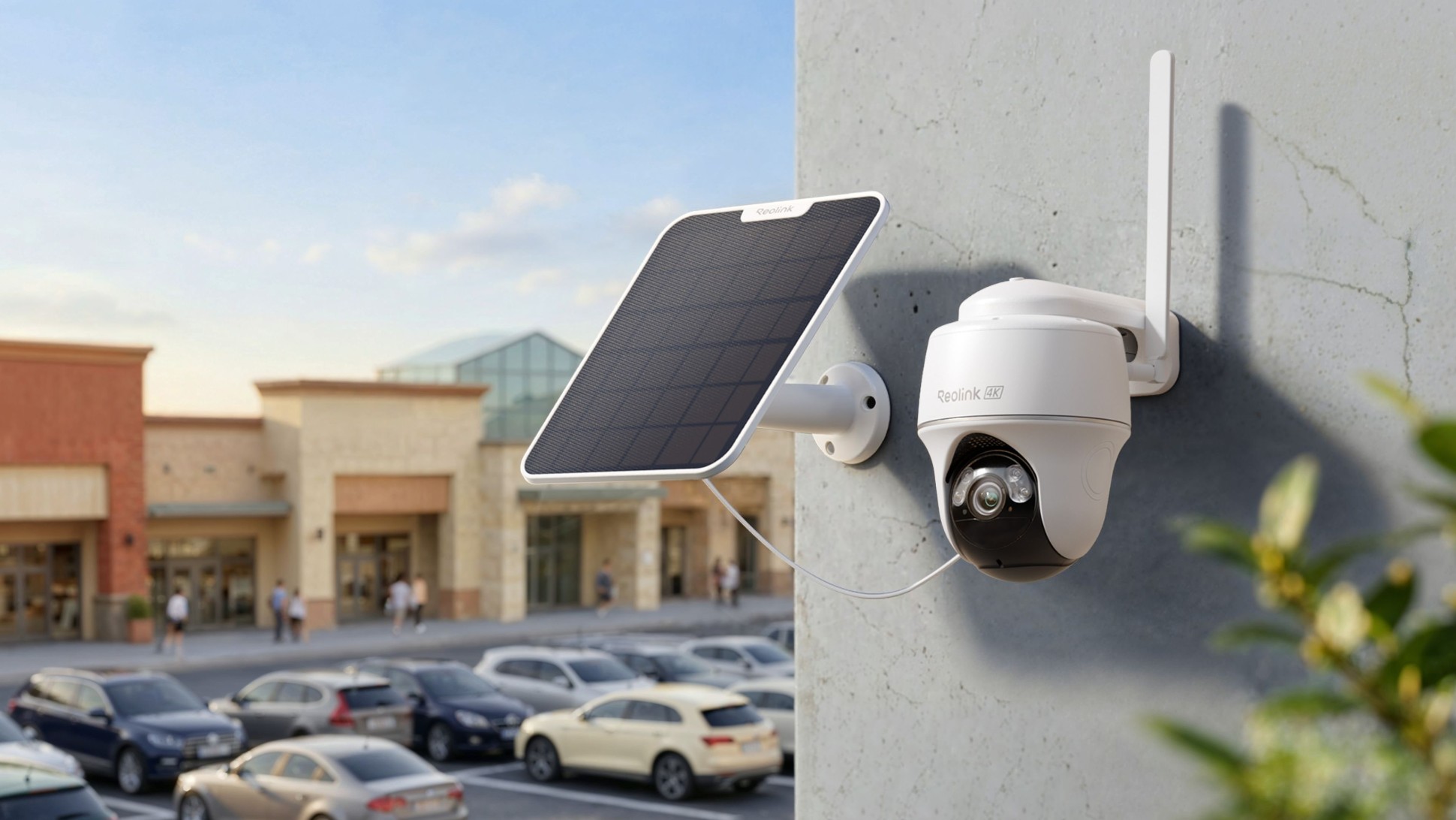

Select your favourite cameras and check out the differences. Find what meets your needs.
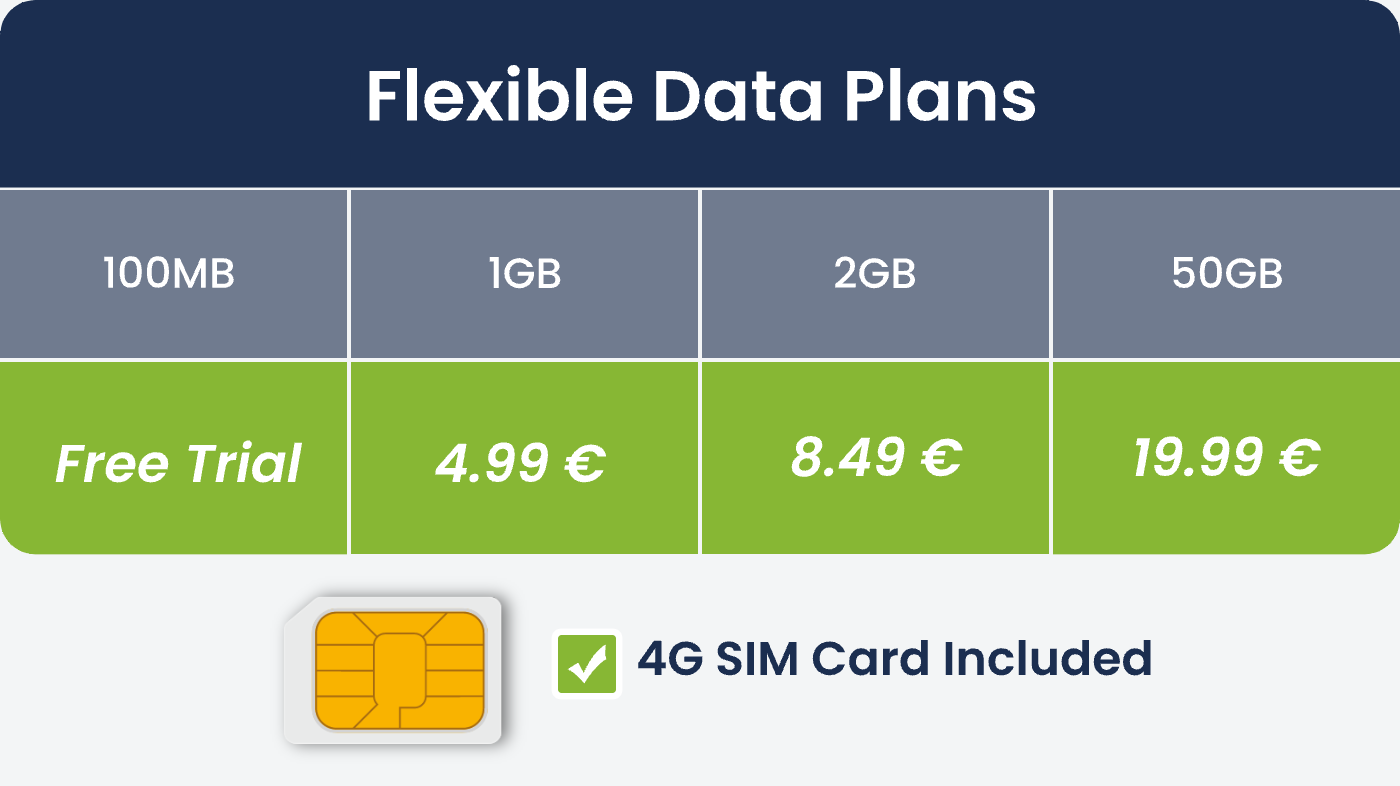
Similar to your cellular phone, a cellular security camera needs a SIM card (and a data plan) to transmit video over a 3G/4G network.
The common SIM cards offered by carriers like T-Mobile and Vodafone can work for Reolink 4G cameras (as they can for your cellular phone).
The camera works on a 4G network. It also supports 3G, which is not recommended, though (since wireless companies are working to retire older network technologies). It does not support a 2G SIM card.
Yet it does not matter whether you use a 4G or 5G mobile phone to access the camera. The camera needs a SIM card of its own, which is totally irrelevant to your mobile's SIM card.
Note:
(1) The camera does not support Wi-Fi connection.
(2) As of July 1, 2022, T-Mobile’s older 3G UMTS network has been retired.
You have two charging options (including solar charging):
Option 1. Have the camera connected to a solar panel for a non-stop power supply.
(Also recommended as the most friendly charging option for the cam's battery.)
Option 2. Charge the camera (with a non-removable battery) via a 5V 2A USB charger. Please note that it's fine to charge the camera while it's working, but not for too long.
Reolink 4G cameras rely on SIM cards to have access to the 4G network. So, it's perfect for remote locations, such as vacation homes, properties in the countryside, farms, or remote off-grid areas.


Be Prepared, Be Ahead
Never miss Reolink hot deals, news, and updates tailored for you.
Be Prepared, Be Ahead
Never miss Reolink hot deals, news, and updates tailored for you.

Google, Google Play, Google Assistant and related marks and logos are trademarks of Google LLC. Amazon, Alexa and all related logos are trademarks of Amazon.com, Inc. or its affiliates. Mac and Safari are trademarks of Apple Inc. App Store is a service mark of Apple Inc., registered in the U.S. and other countries. Firefox and the Firefox logo are trademarks of the Mozilla Foundation in the U.S. and other countries. Other product and company names mentioned herein may be trademarks of their respective companies.